

Steering Tie Rod End Guide for the 2000-2008 Nissan Maxima
Restore your Maxima's precise steering and eliminate uneven tire wear by addressing worn tie rod ends.
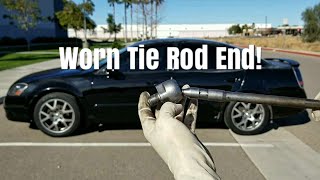
- Symptoms of a bad tie rod end include a loose steering wheel, clunking noises, and uneven tire wear.
- It is highly recommended to replace tie rod ends in pairs (both left and right sides) for safety and to save on future labor.
- Choosing a quality aftermarket brand like Moog, Delphi, or Beck Arnley is crucial; avoid the cheapest options as this is a critical safety part.
- A professional wheel alignment is mandatory immediately after replacing a tie rod end to prevent poor handling and rapid tire damage.
Is Your Maxima's Steering Feeling Off? Check the Tie Rod Ends
If your 2000-2008 Nissan Maxima has developed a mind of its own on the road, with vague steering or a tendency to wander, worn steering tie rod ends could be the culprit. These parts are essential for steering control and safety, but they are also wear-and-tear items that eventually need replacement. This guide will walk you through the symptoms of failure, how to choose the right aftermarket replacement, and what to expect from the repair.
Symptoms of a Bad Tie Rod End
A failing tie rod end will give you several warning signs. Pay attention to these, as a complete failure can be dangerous.
- Loose or Shaky Steering: You might feel vibrations or shaking through the steering wheel. The steering may also feel loose or have excessive "play," meaning you can turn the wheel slightly without the car changing direction.
- Vehicle Pulling or Wandering: The car may pull to one side on its own, requiring constant steering correction to drive straight.
- Clunking or Knocking Noises: A common symptom is a clunking or rattling sound from the front of the car, especially noticeable when turning at low speeds or going over bumps.
- Uneven Tire Wear: A visual inspection of your front tires is a good indicator. A bad tie rod end will cause the alignment to be off, resulting in rapid or uneven wear on the inside or outside edges of the tires. 🎬 Watch: 7 common signs of a bad tie rod end
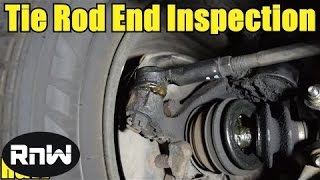
Mechanic's Tip: You can check for play yourself. With the front of the car safely raised on jack stands, grab a tire at the 3 and 9 o'clock positions and try to shake it. If you feel significant movement or hear a clunking noise, the tie rod end is likely worn.
🎬 See how to inspect and test your tie rod endsChoosing the Right Aftermarket Tie Rod End
For the 2000-2008 Maxima, the quality of aftermarket parts can range from excellent to poor. While OEM is always an option, many aftermarket brands offer a great balance of quality and value. Some even offer features like grease fittings that allow for periodic maintenance, which can extend the part's life. It's best to avoid the cheapest options, as a failing tie rod is a major safety concern.
Here’s a breakdown of available brands into tiers based on general reputation and user feedback:
- Premium Brands (Highest Quality & Durability): These brands often meet or exceed OEM specifications and are trusted by professional mechanics. They are an excellent choice for owners who want the best performance and longest life.
- Moog: Historically a top-tier brand known for problem-solving designs and durability, though some recent forum discussions suggest a decline in quality. Still, generally considered a strong choice.
- Delphi: A respected brand with a strong OE (Original Equipment) background, known for high-quality and reliable parts.
- Beck Arnley: Specializes in parts for import vehicles and focuses on meeting OE form, fit, and function.
- Standard Brands (Good Quality & Value): These brands offer a good balance of performance and price. They are a solid choice for daily drivers.
- ACDelco: A well-known brand offering reliable replacement parts.
- Mevotech: Reviews are mixed. Their higher-end lines like "Supreme" are generally considered good, but their basic parts have a reputation for premature failure in some cases.
- Economy Brands (Budget-Focused): These brands are the most affordable but may not offer the same longevity or robust construction as higher-tiered options. They can be suitable for a budget repair, but inspect them carefully.
- Dorman: Known for providing a wide range of affordable aftermarket solutions. Quality can be inconsistent compared to premium brands.
- QuickSteer, Skyward, Suspensia, MAS Industries: These fall into the budget category and can be a viable option if cost is the primary concern.
An Alignment is NOT Optional
Replacing a tie rod end will always change your vehicle's wheel alignment. Driving without a proper alignment will cause poor handling and destroy your tires very quickly. You MUST get a professional wheel alignment immediately after the replacement.
Frequently Asked Questions (FAQ)
Should I replace inner and outer tie rods at the same time?
You only need to replace the part that has failed. However, the inner and outer tie rods are often replaced at the same time since much of the labor overlaps. 🎬 Watch this inner and outer tie rod replacement walkthrough If one is worn, the other may not be far behind. If you are replacing the outer tie rod, it's a good time to inspect the inner tie rod for any play or damage.
Do I need to replace them in pairs (left and right)?
It is highly recommended to replace tie rod ends in pairs. Since they are exposed to the same conditions and have the same amount of mileage, if one side has failed, the other side is likely worn as well and may fail soon.
Are there any recalls for the 2000-2008 Maxima tie rods?
No. Searches of the National Highway Traffic Safety Administration (NHTSA) database show no specific recalls or widespread technical service bulletins (TSBs) for steering tie rod end failure on the 2000-2008 Nissan Maxima. A recall was issued for the 2007 model year, but it concerned the steering wheel lock mechanism, not the tie rods.
What is the difference between an inner and an outer tie rod end?
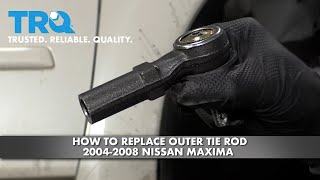
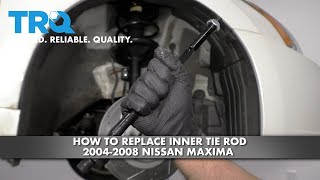
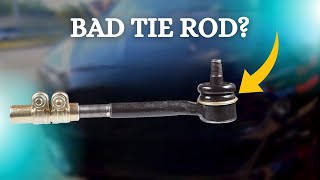
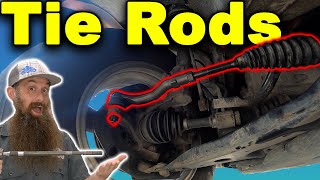
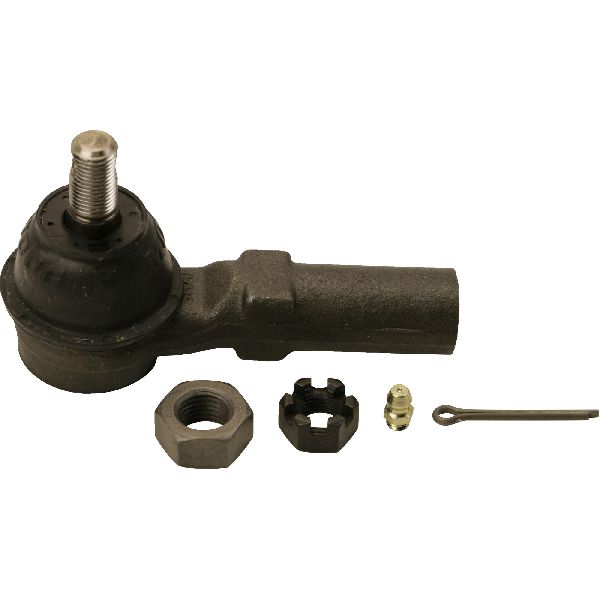
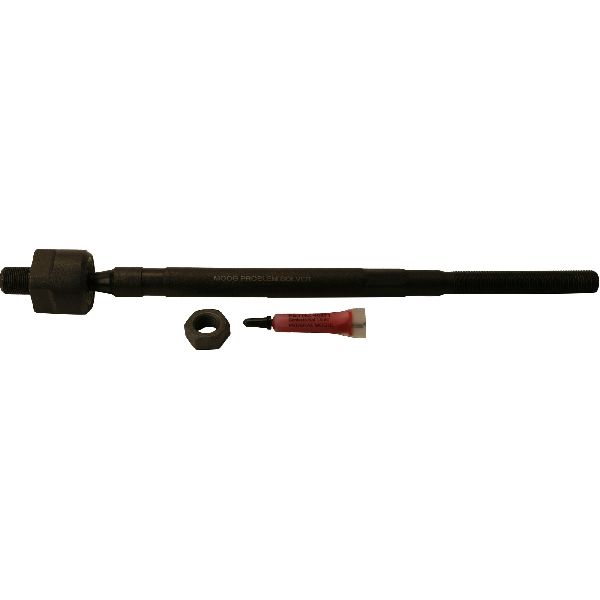
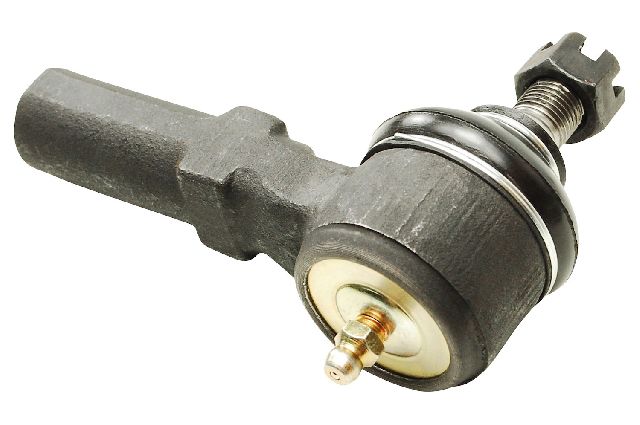
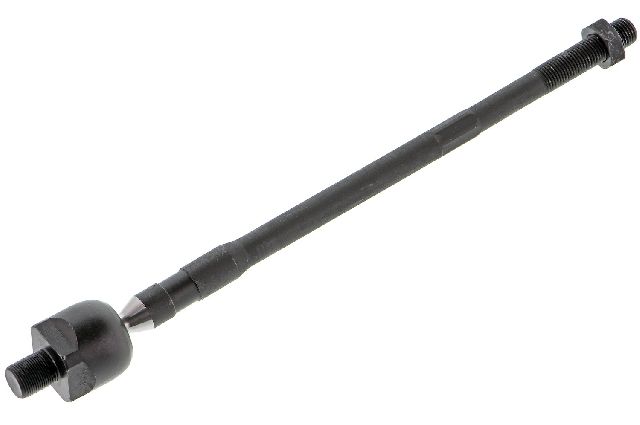
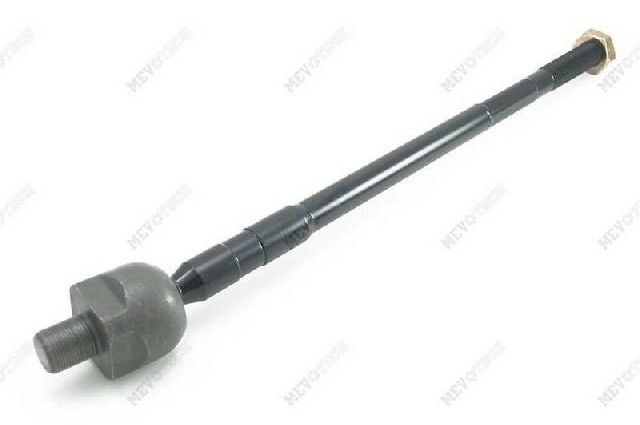
Your Maxima has both inner and outer tie rod ends on each side. The inner tie rod connects directly to the steering rack and is covered by a flexible rubber boot. The outer tie rod connects the inner tie rod to the steering knuckle at the wheel. The outer tie rods are more commonly the first to fail.
Helpful Videos

Technical Specifications
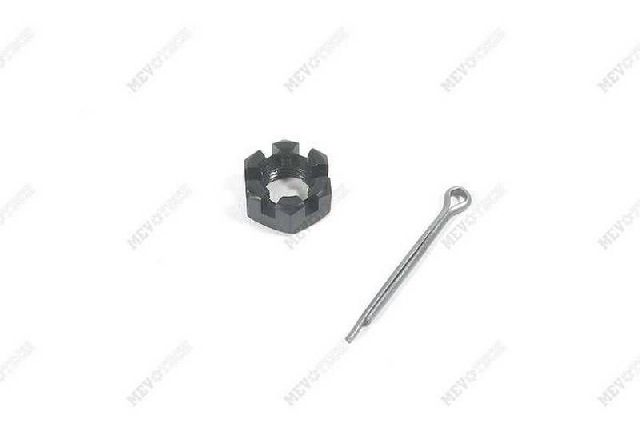
The 2000-2008 Nissan Maxima uses a rack and pinion steering system with one inner and one outer tie rod end per side. The outer tie rod end connects to the steering knuckle with a tapered stud and castle nut, secured by a cotter pin. The inner tie rod screws into the outer tie rod and is secured with a jam nut.
We Have This Part in Stock

The information in this article is provided for general reference and educational purposes only. Vehicle specifications, procedures, and part compatibility can vary by production date, trim level, and region. Always consult your vehicle's factory service manual and verify part numbers before purchasing or performing repairs. Safety-critical components such as airbags, seat belts, and braking systems should be installed by a qualified professional.
- Nissan Maxima: