

A Practical Guide to Radiator Coolant Hoses for the 2000-2008 Subaru Impreza
Keep your Impreza's boxer engine from overheating by understanding when and how to replace your radiator hoses.
- Inspect hoses regularly for bulges, cracks, or soft spots; don't wait for a leak.
- For a reliable repair, replace both the upper and lower hoses at the same time.
- Aftermarket brands like Gates, Dayco, and Continental are good alternatives to OEM, with Gates often praised for fitment.
- Properly bleeding air from the cooling system after replacement is critical to prevent overheating.
Signs of a Failing Radiator Hose
Radiator hoses are wear-and-tear items. Made of rubber, they break down over time from constant heat and pressure. Ignoring a failing hose can lead to a sudden burst, rapid coolant loss, and severe engine damage. Look for these warning signs:
- Coolant Leaks: Puddles of green, blue, or yellow fluid under the front of your car are a tell-tale sign of a leak. While leaks can come from other places, the hoses are a common culprit.
- Visible Damage: Inspect the hoses when the engine is cool. Look for cracks, splits, or areas that look swollen or bulging. A bulge means the internal structure of the hose has failed and it could burst at any moment.
- Spongy or Hard Spots: Squeeze the hoses (when cool). They should feel firm but pliable. If a hose feels mushy, spongy, or rock-hard and crunchy, it needs to be replaced.
- Engine Overheating: If your temperature gauge climbs into the red, it's a sign your cooling system isn't working. A collapsed or leaking hose is a frequent cause.
- Low Coolant Light: A constantly dropping coolant level in the reservoir often points to a slow leak in the system, and the hoses are a prime suspect.
Choosing the Right Aftermarket Radiator Hose
While OEM Subaru hoses are high-quality, reputable aftermarket brands offer a great balance of performance and value for the 2000-2008 Impreza. For a daily driven vehicle, standard EPDM rubber hoses are the correct choice; expensive silicone hoses are generally unnecessary and better suited for dedicated race cars.
Your main choices are:
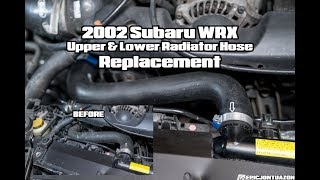
- Gates: Often considered a top-tier aftermarket brand by mechanics and Subaru owners. Gates hoses are known for their reliable quality and good fitment, which is crucial for an easy installation. 🎬 Watch this step-by-step guide for replacing your Impreza's radiator hoses. In many forum discussions, Gates is the go-to recommendation if you aren't buying OEM.
- Dayco: Another widely available and solid option. Some users note that Dayco hoses can feel a bit thicker than competitors. However, be aware that some mechanics have occasionally run into fitment issues, where the shape isn't a perfect match to the original.
- Continental: A well-respected manufacturer that produces quality hoses comparable to Gates and Dayco. They are a reliable choice if available.
The Verdict: You can install any of these three brands with confidence. However, based on community feedback, Gates often has a slight edge in terms of consistent, hassle-free fitment.
Pro Tip: Replace Clamps and Use the Right Tools
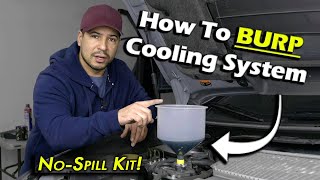
Always replace the hose clamps when you replace the hoses. The original spring-style clamps can weaken over time. More importantly, some aftermarket hoses are slightly thicker than OEM, and the original clamps may not fit properly. Inexpensive worm-gear clamps are a good alternative. Also, getting all the air out of the cooling system after refilling is critical on a Subaru. Using a spill-proof funnel kit makes this process much easier and helps prevent overheating issues 🎬 See how to properly burp the air out of your system. after the repair.
Cost to Replace a 2000-2008 Subaru Impreza Radiator Hose
| Part Type | Price Range (Parts Only) |
|---|---|
| New OEM (Upper & Lower Hose) | $40 - $55 |
| New Aftermarket (Upper & Lower Hose) | $22 - $45 |
| Shop Labor Cost | $120 - $250 |
Frequently Asked Questions (FAQ)
How often should I replace my Impreza's radiator hoses?
There is no strict interval, but it's wise to inspect them at every oil change after 60,000 miles. As a preventative measure, many owners replace them every 5-7 years or around 90,000 miles, especially when doing other cooling system work like replacing the radiator or water pump.
Should I replace both hoses at the same time?
Yes. Both hoses have been exposed to the same age, heat, and pressure. If one is failing, the other is likely not far behind. Replacing them both at once is efficient and prevents you from having to do the same job twice in the near future.
Are silicone radiator hoses better?
For a standard or lightly modified street car, no. While they handle extreme temperatures well and come in various colors, they are also more porous than standard rubber hoses, which can allow coolant to evaporate over time. Stick with quality EPDM rubber hoses from OEM or a trusted aftermarket brand for the best reliability on a daily driver.
🎬 Watch a mechanic install a silicone hose kit and burp the coolant.What kind of coolant should I use for my 2000-2008 Impreza?
Always use a phosphate-based coolant designed for Asian vehicles. Using the wrong type of coolant can cause corrosion and damage to your cooling system. Subaru Genuine Long Life Coolant is the safest bet, but compatible green or blue aftermarket coolants are also available. Never mix different colors or types of coolant.
My car is overheating after replacing the hoses. What's wrong?
The most likely cause is an air pocket trapped in the cooling system. Subaru boxer engines are known for being difficult to bleed properly. You must 'burp' the system by running the engine with the radiator cap off (using a spill-proof funnel is best) and the heat on high to force all the air out.
Helpful Videos
![OVERTAKE Subaru Silicone Radiator Hose Kit Install Guide [+Coolant Burp]](https://img.youtube.com/vi/u4fvQ9V_o24/mqdefault.jpg)
Technical Specifications
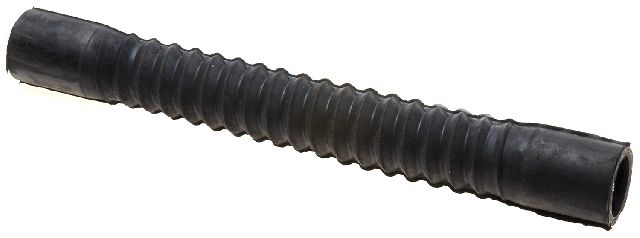
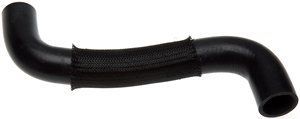
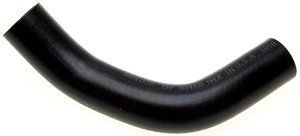
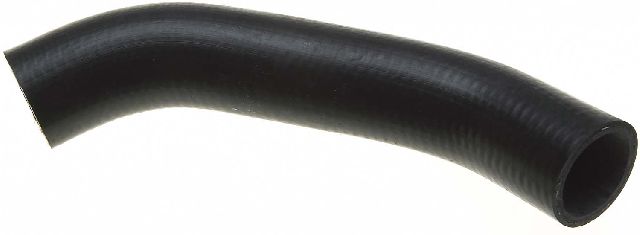
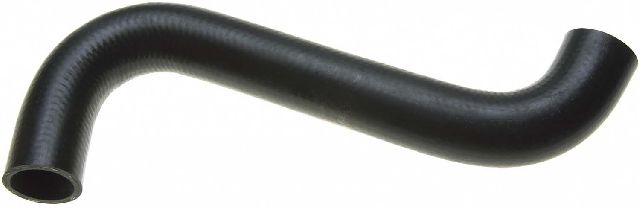
OEM Part Numbers: Upper Hose: 45161FE050 Lower Hose: 45161AE010, 45161AE020
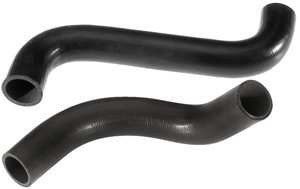
Material: EPDM (Ethylene Propylene Diene Monomer) Rubber. Includes one upper and one lower hose.
We Have This Part in Stock

The information in this article is provided for general reference and educational purposes only. Vehicle specifications, procedures, and part compatibility can vary by production date, trim level, and region. Always consult your vehicle's factory service manual and verify part numbers before purchasing or performing repairs. Safety-critical components such as airbags, seat belts, and braking systems should be installed by a qualified professional.
- Subaru Impreza: