

A Subaru Owner's Guide to the Starter: 2000-2008 Outback
Don't get stranded by a bad starter—here's what every 2000-2008 Outback owner needs to know before buying a replacement.
- A single loud click with no crank is the most common sign of a bad starter; don't confuse it with the rapid clicking of a dead battery.
- The starter is located on the driver's side of the engine where it meets the transmission; access can be tight.
- For best results, choose a premium aftermarket brand like Denso or Bosch, even if it's remanufactured.
- No specific recalls exist for the starter itself, but check for open recalls on related electrical components like the ignition switch.
Is Your Outback's Starter Failing?
A failing starter can leave you stranded without warning. Before it fails completely, it usually gives a few signs. The most common symptom is a single, loud "click" when you turn the key, but the engine doesn't crank. You might also hear a grinding or whirring noise, which means the starter gear isn't engaging properly with the engine's flywheel. Sometimes, the starter will work intermittently, starting the car fine one day and doing nothing the next. If you have to try turning the key multiple times before the engine finally cranks, your starter is likely on its way out.
Is It the Starter or the Battery?
Many drivers confuse a bad starter with a dead battery. If your interior lights and headlights are bright but the car won't crank, the problem is likely the starter. If the lights are dim or go out when you try to start the car, and you hear a rapid clicking sound, your battery is probably the issue. Always check that your battery terminals are clean and tight before replacing the starter.
Choosing the Right Aftermarket Starter
When replacing the starter on your 2000-2008 Outback, you don't have to buy an expensive part from the dealer. Aftermarket brands offer a range of quality and price points. For these Subarus, the original starters were typically made by Denso, a brand known for high quality.
- Premium Brands (Bosch, Denso): These are your top-tier choices. Denso is often the original equipment (OE) manufacturer, and their remanufactured units are considered very high quality. Bosch is another excellent brand, offering both new and remanufactured starters that are known for reliability. Choosing one of these brands gives you the best chance at a long-lasting part that fits and performs like the original.
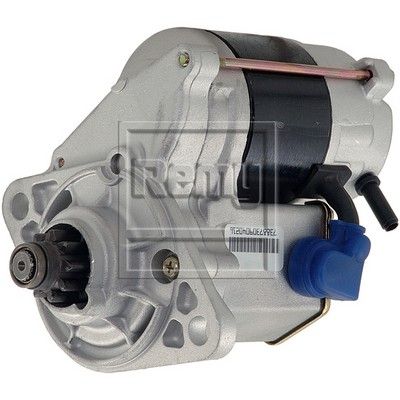
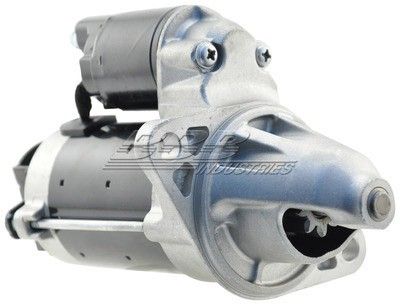
- Standard Brands (Remy, BBB Industries): Brands like Remy and BBB Industries offer a good balance of quality and price. They are a solid choice for a daily driver when you need a reliable part without the premium price tag. While not always built to the same exact standards as OE, they provide a dependable and affordable repair.
New vs. Remanufactured
A "new" aftermarket starter is made entirely of new components. A "remanufactured" starter has been completely disassembled, cleaned, and rebuilt with worn or failed components replaced. A remanufactured starter from a premium brand like Denso or Bosch is often a better choice than a new starter from a lesser-known brand.
Known Issues, Recalls, and Bulletins
Searches for the 2000-2008 Subaru Outback did not reveal any recalls or widespread technical service bulletins (TSBs) specifically for the starter motor itself. However, some related recalls exist. A recall was issued for the ignition switch on some 2005-2014 Outback models, which could move out of the "run" position and shut the engine off. Another recall concerned a remote engine starter fob that could malfunction, causing the engine to start unexpectedly. While not direct starter failures, these electrical issues can affect the starting system.
Starter Replacement Overview
On the 2000-2008 Outback with the 2.5L engine, the starter is located on the top of the engine, on the driver's side, where the engine meets the transmission. Access can be tight. On some earlier models, coolant hoses for the heater core run directly over the starter, making it more difficult to remove from the top. Mechanics often remove the air intake components to get better access. The job involves disconnecting the battery, removing two mounting bolts, and disconnecting two wires from the starter. While it's a feasible DIY job for someone with mechanical experience, the tight space can make it frustrating.
| Part/Service | Estimated Cost |
|---|---|
| New Aftermarket Starter | $93 - $203 |
| Shop Labor | $150 - $300 |
| Total Professional Replacement | $243 - $503 |
Frequently Asked Questions
Can I drive my Outback with a bad starter?
No. If the starter is completely dead, the engine will not crank, and you will be stranded. If it is failing intermittently, you are taking a big risk every time you shut the engine off, as it may not start again.
How long should a starter last?
An original equipment starter can last over 100,000 miles. The life of a replacement starter depends on its quality. A premium aftermarket starter should last for many years, while a cheaper unit may fail sooner.
Is it hard to replace the starter on a 2000-2008 Outback?
It is considered an intermediate-level repair. While the process is straightforward, access is tight, especially on the 4-cylinder models where it's tucked under other components. It requires basic hand tools, but patience is key. If you are not comfortable working in tight spaces, it's best to leave this job to a professional.
My automatic transmission car won't start, could it be the shifter?
Yes. Your car has a neutral safety switch that prevents the engine from starting unless the transmission is in Park or Neutral. One owner reported their Outback wouldn't start because the shifter was slightly out of Park, even though it was close enough to let the key out. Always make sure your shifter is fully in Park before assuming the starter is bad.
Technical Specifications
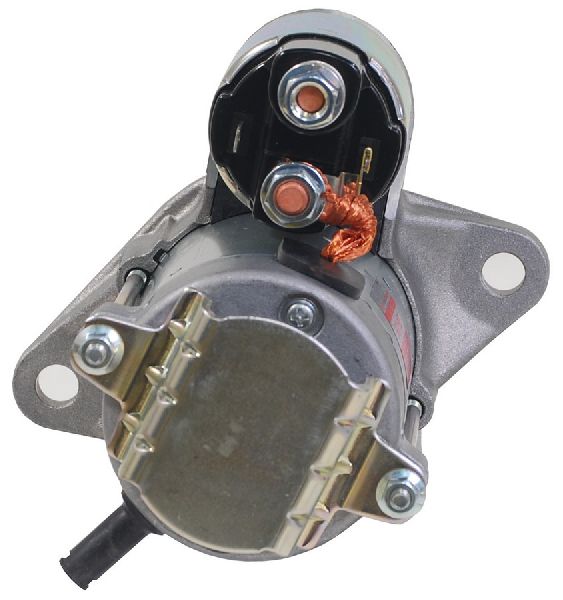
OEM Part Numbers: 23300AA381 23300AA390 23300AA49A
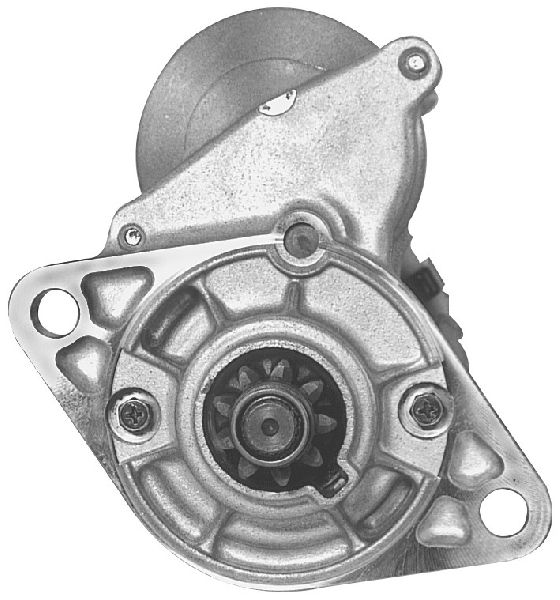
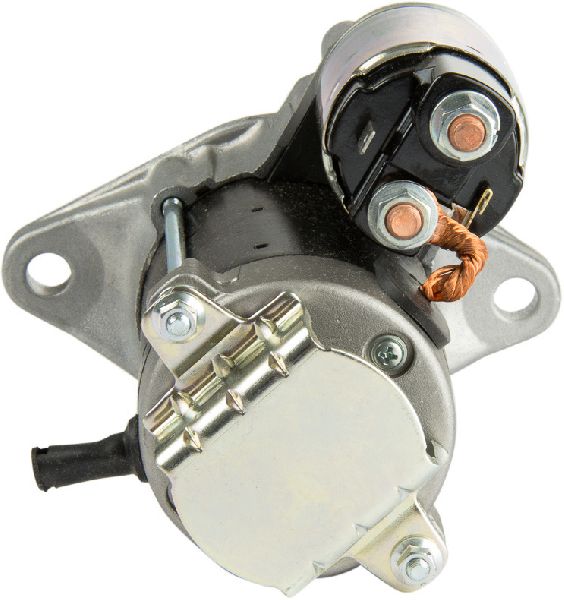
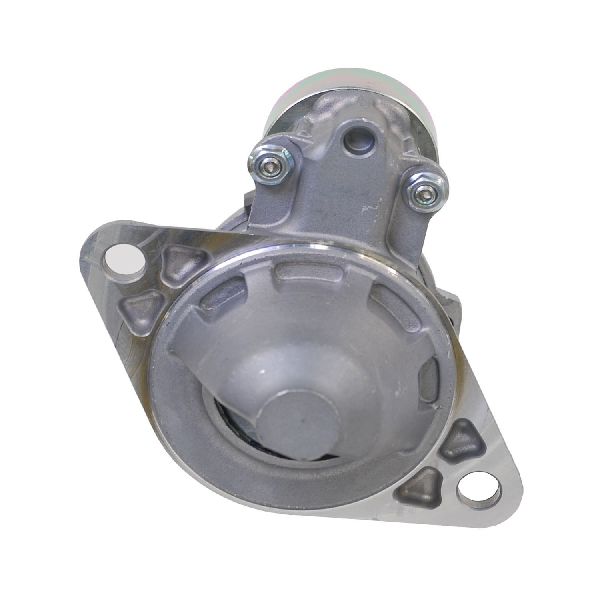
Voltage: 12V, Power Rating: 1.2kW to 1.4kW, Rotation: Counter-Clockwise, Teeth: 9.
We Have This Part in Stock

The information in this article is provided for general reference and educational purposes only. Vehicle specifications, procedures, and part compatibility can vary by production date, trim level, and region. Always consult your vehicle's factory service manual and verify part numbers before purchasing or performing repairs. Safety-critical components such as airbags, seat belts, and braking systems should be installed by a qualified professional.
- Subaru Outback: