

A Guide to the ABS Wheel Speed Sensor for the 2000-2009 Audi S4
Understand why your ABS and ESP lights are on and how to choose the right replacement sensor.
- A bad ABS sensor is the most common cause of ABS and ESP lights on a 2000-2009 S4.
- Use a diagnostic scanner (like VCDS) to confirm which sensor is bad before buying parts.
- Stick to high-quality aftermarket brands like Bosch, Hella, or Vemo for a reliable repair.
- Verify the part number for your specific year (B5, B6, or B7) as they are different.
Understanding ABS Sensor Failure on Your S4
If you own a B5, B6, or B7 generation Audi S4, seeing the ABS and ESP lights on your dashboard is a common issue. Often, the problem is a failed ABS wheel speed sensor. These sensors live in a harsh environment behind your wheels and can fail from age, damage from road debris, or corrosion in the electrical connector. Sometimes, the issue isn't the sensor itself but the wiring leading to it, or a damaged magnetic ring on the wheel bearing that the sensor reads.
Important Note on Diagnosis
While the sensor is the most common culprit, the ABS and ESP lights can also be triggered by a bad wheel bearing, a damaged wire, or a failing ABS control module. Before buying parts, it's best to scan the vehicle with a VCDS (VAG-COM) or a compatible OBD2 scanner. 🎬 Watch: How to use VCDS to diagnose a faulty sensor. This tool will tell you which specific wheel sensor is reporting a fault (e.g., 'G44 - Rear Right Wheel Speed Sensor'). This avoids replacing the wrong part.
Symptoms of a Failing ABS Sensor
- ABS Light On: The most common symptom is a solid yellow ABS light on your instrument cluster.
- ESP/ASR Light On: The light for your stability or traction control system (a triangle with a circular arrow) will also light up, as it relies on the same sensors.
- Disabled Safety Systems: With these lights on, your anti-lock brakes and stability control are turned off. Your brakes will still work, but the wheels can lock up in a panic stop.
- Brake Light Flashing: Sometimes, the main red 'BRAKE' light may flash, often with a beep.
Choosing the Right Aftermarket ABS Sensor
When replacing an ABS sensor, quality matters. A cheap, poorly made sensor can fail quickly or provide incorrect readings, leaving you with the same warning lights. For an Audi S4, it is best to stick with brands known for their quality electronics.
Tier 1: OEM Supplier Quality
These brands are known to be Original Equipment (OE) suppliers for Audi or produce parts to the same high standard. They are the most reliable choice.
- Bosch: Often the original part manufacturer for Audi. Choosing Bosch is the closest you can get to buying from the dealer without the high price. They are known for reliability and perfect fit.
- Hella / Vemo: Both are well-respected German brands that specialize in vehicle electronics for European cars. They are excellent alternatives to Bosch.
Tier 2: Reputable Aftermarket
These brands offer a good balance of quality and price. They are a solid choice if a premium brand is not available.
- Febi / Bremi: Good quality German brands that produce a wide range of parts. Their sensors are considered reliable replacements.
- Delphi / Standard Ignition (SMP): Large, reputable manufacturers with a history of producing dependable electronic parts.
Tier 3: Economy Brands
These brands offer the lowest price, but quality can be inconsistent. While tempting, a faulty replacement sensor can mean doing the job twice. Brands like URO Parts fall into this category. Using them can be a gamble.
Check Your Part Numbers
The 2000-2009 S4 covers three generations (B5, B6, B7). The ABS sensors are NOT all the same. The front sensor for a 2001 B5 S4 is different from a 2005 B6 S4. Always confirm the part number fits your specific year and model. For example, the B5 front sensor is often part number 4B0927803B, while the B6/B7 front is 8E0927803B. The front and rear sensors are also different.
Estimated Replacement Costs
The cost to replace an ABS sensor depends on the brand you choose and whether you do the work yourself.
| Item | Estimated Cost |
|---|---|
| New OEM Sensor (Dealer) | $200 - $400+ |
| New Aftermarket Sensor (Premium) | $70 - $150 |
| New Aftermarket Sensor (Economy) | $35 - $70 |
| Shop Labor | $100 - $200 per sensor |
Frequently Asked Questions
Is it hard to replace an Audi S4 ABS sensor myself?
No, it is a relatively easy DIY job for most people with basic tools. The sensor is held in by a single 5mm Allen bolt. The biggest challenge can be if the bolt is rusted and stuck. You will need to safely jack up the car and remove the wheel to access it. 🎬 See this walkthrough for replacing a front ABS sensor. The rear sensor's wire plugs in from inside the car, behind the rear seat side bolster.
Can I drive my S4 with the ABS and ESP lights on?
Yes, you can drive the car, but you should get it fixed as soon as possible. Your primary safety systems (ABS and ESP) are disabled, which means your wheels could lock during hard braking, and the car won't help you in a skid. Drive more cautiously, especially in wet or snowy conditions.
I replaced the sensor, but the light is still on. What now?
First, ensure you cleared the codes with a scanner after installation. If the light comes back, you may have another issue. Check the wiring and connector for corrosion or damage. Also, inspect the wheel bearing and its magnetic ring for damage or heavy rust. In some cases, the problem could be the ABS control module itself, which is a more complex and expensive repair.
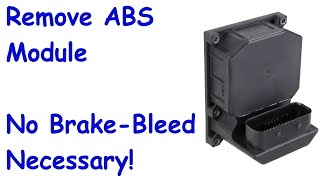
🎬 Watch: How to remove the ABS control module for repair.Do I need to replace all four sensors at once?
No. You only need to replace the sensor that has failed. A diagnostic scan will tell you which specific sensor needs to be replaced. However, the sensors were all installed at the same time, so if one fails due to age, another may not be far behind.
Helpful Videos
Technical Specifications
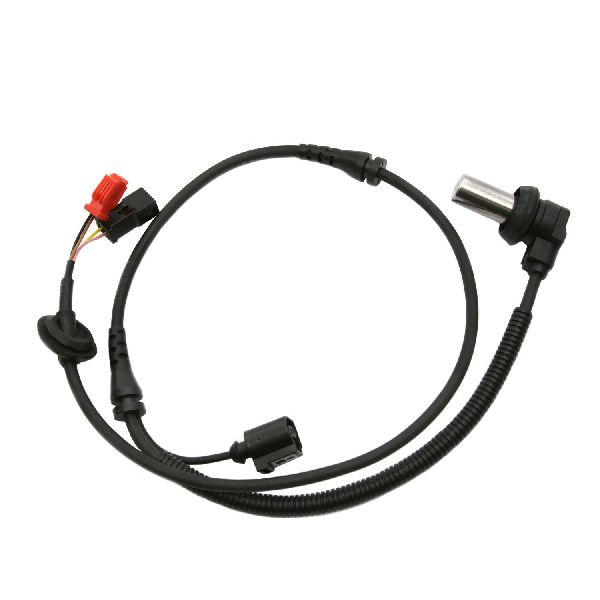
OEM Part Numbers: 8E0927803B (Front, B6/B7) 4B0927803B (Front, B5) 8E0927807B (Rear, B6)
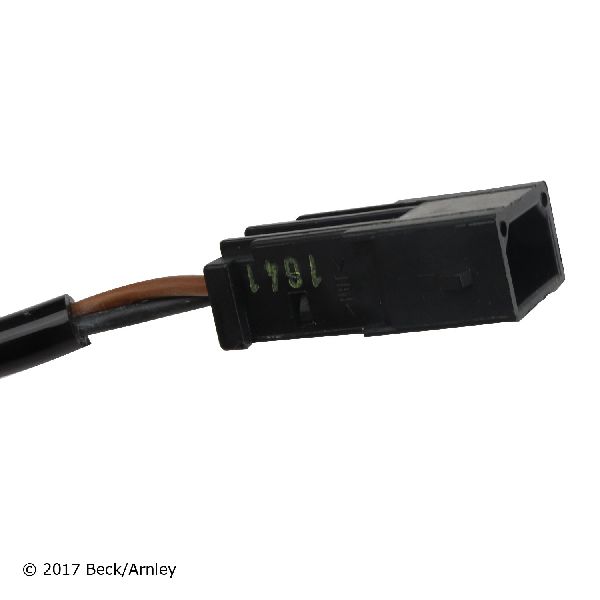
Hall effect magnetic sensor with a 2-pin connector. Held in place by one 5mm Allen head bolt.
We Have This Part in Stock


The information in this article is provided for general reference and educational purposes only. Vehicle specifications, procedures, and part compatibility can vary by production date, trim level, and region. Always consult your vehicle's factory service manual and verify part numbers before purchasing or performing repairs. Safety-critical components such as airbags, seat belts, and braking systems should be installed by a qualified professional.
- Audi S4: