

A Practical Guide to the 2000-2009 Audi TT CV Joint Boot Kit
Don't let a torn CV boot lead to a much more expensive CV joint replacement on your TT.
- A torn CV boot is a common issue on the Audi TT due to age; inspect them regularly.
- Catching a torn boot early and replacing it can prevent a much more expensive CV joint replacement.
- For best results, use a high-quality aftermarket brand like GKN Loebro (OEM supplier) or CRP/Rein.
- If you hear a clicking noise when turning, you likely need to replace the entire CV joint, not just the boot.
Is Your Audi TT's CV Boot Failing?
A CV boot is a simple part, but it protects a very important one. On the 2000-2009 Audi TT (both Mk1 and Mk2 generations), these boots can crack or tear over time from age and exposure to the elements. Catching a torn boot early is the key to saving money. Replacing just the boot is much cheaper than replacing the entire CV joint or axle shaft that it protects.
Symptoms of a Torn CV Boot
Look for these clear signs that a CV boot needs attention:
- Grease Splatter: This is the most obvious sign. A torn boot will sling dark, heavy grease onto the inside of your wheel, your brake parts, and the suspension.
- Clicking Noise When Turning: If you hear a clicking or popping sound that gets faster as you accelerate through a turn, the CV joint itself is likely already damaged from lack of grease or contamination.
- Vibrations While Driving: A vibration that you can feel through the steering wheel, especially during acceleration, can mean the CV joint is worn and failing.
A Note on Noises
A clicking noise when turning means the damage is already done to the joint. At this point, simply replacing the boot and adding new grease is not enough. The entire CV joint (or the complete axle) will need to be replaced to fix the noise and ensure safety.
Choosing the Right Aftermarket Boot Kit
Not all aftermarket parts are created equal. For a part like a CV boot on a German car, quality and fit are everything. A poorly fitting boot or one made of cheap rubber will fail quickly, putting you right back where you started. It's best to choose a brand known for supplying parts to European car makers.
Brand Quality Tiers for Audi TT
When shopping for a CV boot kit, consider these brand tiers:
- Tier 1: OEM Supplier (GKN Loebro): GKN is a well-known original equipment manufacturer for Audi and other German brands. Choosing a GKN Loebro kit often means you are getting the exact same part that came on your car from the factory, just in a different box. This is the safest bet for quality, fit, and durability.
- Tier 2: Reputable European Specialists (CRP/Rein): CRP, which owns the Rein Automotive brand, has a long history of providing high-quality, OE-spec parts for European vehicles. These kits are a reliable alternative to the dealer part and are trusted by many professional technicians.
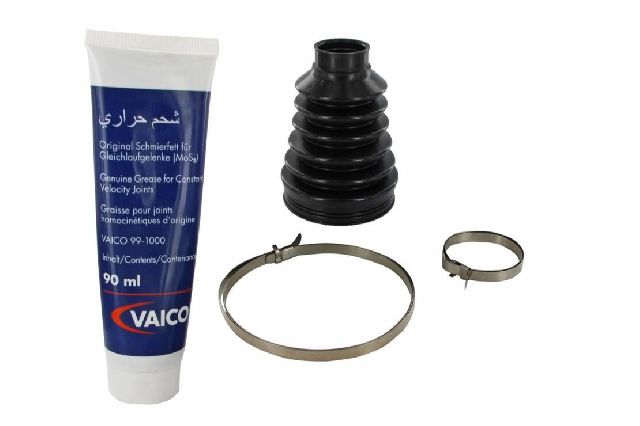
- Tier 3: Mid-Range Quality (Vaico): Vaico is a German brand that offers parts in the mid-price range. They are generally considered to be of good quality, with some parts even being OEM-level. While they can be a good value, some users have mixed experiences, so it's best to buy from a trusted source.
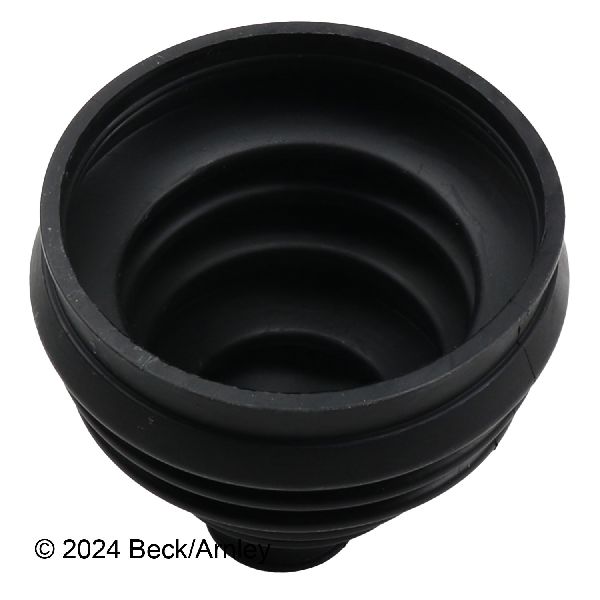
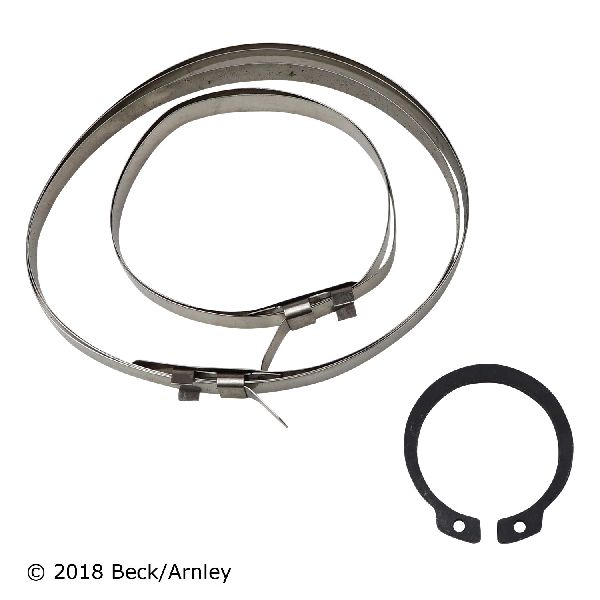
- Tier 4: Economy/Re-boxed (Beck Arnley): Brands like Beck Arnley often source parts from various manufacturers and re-package them. The quality can be inconsistent. While the price might be low, it could be a gamble for a critical part like a CV boot.
Check Your Kit
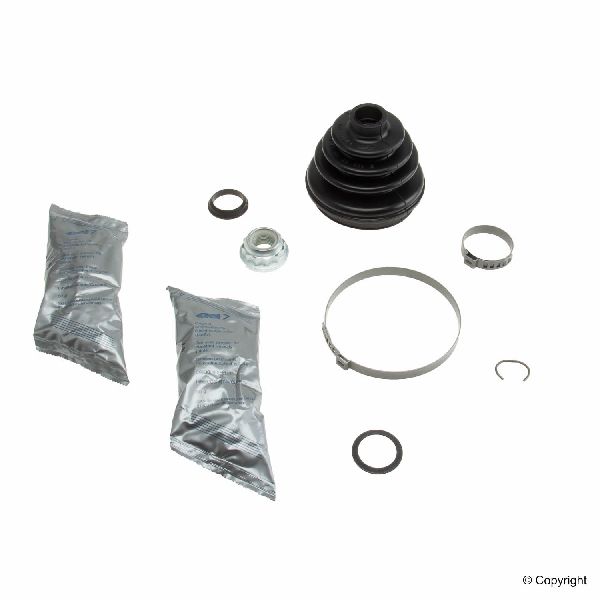
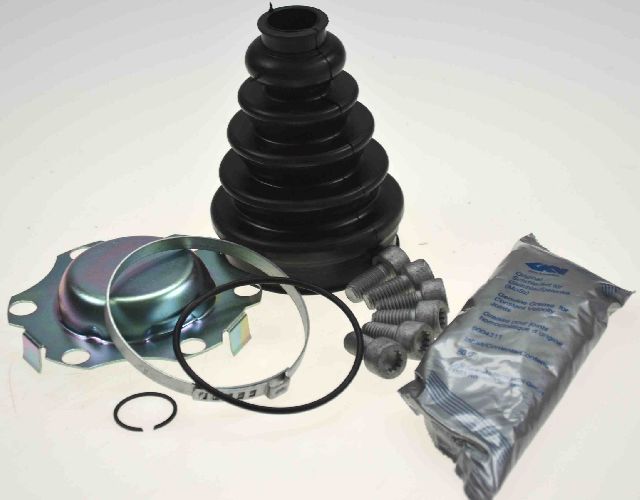
A good CV boot kit will come with everything you need for the job. This includes the boot, the correct type and amount of CV grease, and new clamps or hardware. Always use the new grease and clamps provided in the kit.
How Much Does a CV Boot Kit Replacement Cost?
The cost depends on whether you do it yourself or go to a shop, and if you're just replacing the boot or the entire joint.
| Part / Service | Estimated Cost |
|---|---|
| New Aftermarket CV Boot Kit | $19 - $67 |
| Shop Labor (Boot Kit Only) | $200 - $400 per side |
| New Aftermarket CV Axle Assembly | $70 - $250 per side |
| Shop Labor (Full Axle) | $150 - $300 per side |
Note: Prices are estimates and can vary based on location, vehicle specifics (FWD vs. Quattro), and the parts you choose. Labor for a full axle swap is often less than for just a boot because it's a faster job.
Frequently Asked Questions
Are there any recalls for the 2000-2009 Audi TT CV boots?
No. A search of the National Highway Traffic Safety Administration (NHTSA) database shows no recalls or widespread technical service bulletins (TSBs) specifically for CV joint or boot failure on the 2000-2009 Audi TT. Any failure is typically due to age and normal wear.
Is this a difficult DIY job?
For an experienced home mechanic, this is a manageable job, but it can be messy and requires special tools. You will need a large socket for the axle bolt (14mm allen or 23mm hex), an 8mm or 10mm triple-square bit for the inner axle bolts, and potentially a puller. The job can take 2-4 hours per side. If you are not comfortable with this level of work, it's best to leave it to a professional.
Should I replace the inner and outer boots at the same time?
If one boot has failed due to age, the others are likely not far behind. While you have the axle out of the car, it is a good time to inspect the other boot on that same axle. Replacing both at once can save you from having to do the same job again in the near future. The outer boot replacement is generally considered easier than the inner one.
Can I just use a universal or "split" boot?
It is highly recommended to use a direct-fit boot from a quality manufacturer. Universal or split-style boots are a temporary fix at best and often do not seal properly on the Audi TT's axles. A poor fit will lead to another failure in a short amount of time.
Technical Specifications
OEM Part Numbers: 1K0498201A
Kit typically includes one boot, two clamps, and a packet of molybdenum grease. Some kits may include new hardware. Inner and outer boots are different, as are FWD and Quattro applications. Verify fitment.
We Have This Part in Stock


The information in this article is provided for general reference and educational purposes only. Vehicle specifications, procedures, and part compatibility can vary by production date, trim level, and region. Always consult your vehicle's factory service manual and verify part numbers before purchasing or performing repairs. Safety-critical components such as airbags, seat belts, and braking systems should be installed by a qualified professional.
- Audi TT: