

An Owner's Guide to the 2000-2009 Audi TT Engine Oil Level Sensor
That yellow oil sensor light on your dash is common, and this guide explains why it happens and how to fix it.
- The yellow 'SENSOR' light is a sensor fault, not a low pressure warning; always verify your oil level with the dipstick first.
- Replacement is simple and best done during an oil change, as the engine oil must be drained.
- Before replacing the sensor, inspect the electrical connector for oil leaks or corrosion, as this can also cause the fault.
- Aftermarket brand quality varies; Vemo is a well-regarded option, while budget brands like URO may have lower reliability for electrical parts.
Understanding the Yellow Oil Sensor Warning
If you own a 2000-2009 Audi TT, you may have seen a yellow warning light shaped like an oil can with the word "SENSOR" underneath. This is one of the most common issues for these cars. The first thing to do is manually check your oil level with the dipstick. If the oil level is correct, the warning light indicates a problem with the sensor system itself, not a dangerous lack of oil. It is crucial to distinguish this from the red oil pressure light, which signals a critical lack of oil pressure and means you should stop the engine immediately.
Common Failure Symptoms
The signs of a failing oil level sensor are usually very clear. The most common symptom is the yellow "SENSOR" light on the dashboard that stays on even after you've confirmed the oil level is correct. In some cases, the sensor can fail internally and leak oil through the electrical connector. Before replacing the sensor, it's a good idea to inspect the wiring and the connector. A corroded connector or damaged wires can cause the same warning light.
Pro Tip: Check the Hood Latch Sensor
On some Audi models, the oil level warning light is designed to reset only after the car detects that the hood has been opened and closed. A faulty hood latch sensor can prevent this reset, making you think the oil sensor is still the problem. If you replace your sensor and the light remains, check the function of your hood latch switch.
Choosing the Right Aftermarket Sensor
When shopping for a new aftermarket oil level sensor, you'll find several brands with different reputations for quality and price. Since this sensor lives in hot oil, quality is important for long-term reliability.
- Premium Aftermarket (Vemo): Vemo is often considered a high-quality aftermarket brand that manufactures parts to meet or exceed original equipment (OE) specifications. Owners generally report positive experiences, noting good fit and function similar to the original part. This is a strong choice if you want near-OE quality without the dealer price tag.
- Standard Aftermarket (Standard Ignition): Standard Motor Products (SMP) is a well-established brand known for producing reliable aftermarket parts. They offer a solid balance of quality and value, making them a dependable choice for this repair.
- Budget-Friendly (URO Parts): URO Parts provides a more affordable option. While some users have success with these parts, others have reported reliability issues with their electronic components, including premature failure or leaks. This brand can be a good choice if budget is the primary concern, but it may carry a higher risk of needing to be replaced again sooner than a premium brand.
Installation and Cost
Replacing the oil level sensor is a straightforward job that is easiest to do during an oil change. The sensor is mounted to the bottom of the oil pan with three 10mm bolts. The process involves draining the engine oil, unplugging the electrical connector, removing the old sensor, installing the new sensor with a new gasket, and refilling the engine with oil. Because it requires draining the oil, it's a messy but simple task for a DIY mechanic.
| Part/Service | Estimated Cost |
|---|---|
| New OEM Sensor | $150 - $250 |
| New Aftermarket Sensor | $49.49 - $236.73 |
| Shop Labor | $60 - $120 |
Frequently Asked Questions
Is the yellow oil sensor light a serious problem?
It is not an emergency, but it should be addressed. It means the system that warns you about low oil is not working correctly. You should manually check your oil with the dipstick regularly until the sensor is fixed to ensure your engine is protected.
Can I replace the oil level sensor myself?
Yes, this is a DIY-friendly job, especially if you already perform your own oil changes. You will need to safely lift the vehicle, drain the oil, and have basic hand tools like a 10mm socket.
What is the difference between the yellow and red oil lights?
The yellow light with the word "SENSOR" indicates a fault in the oil level monitoring system. The solid red oil light indicates a critical loss of oil pressure, which can destroy the engine. If you see the red light, pull over and shut off the engine immediately.
My mechanic replaced the sensor but the light is still on. What now?
First, check the wiring and connector leading to the sensor for any corrosion or damage. Also, check the hood latch sensor, as a fault there can prevent the warning light from resetting on some Audis. Finally, a low-quality aftermarket sensor could be faulty out of the box.
Technical Specifications
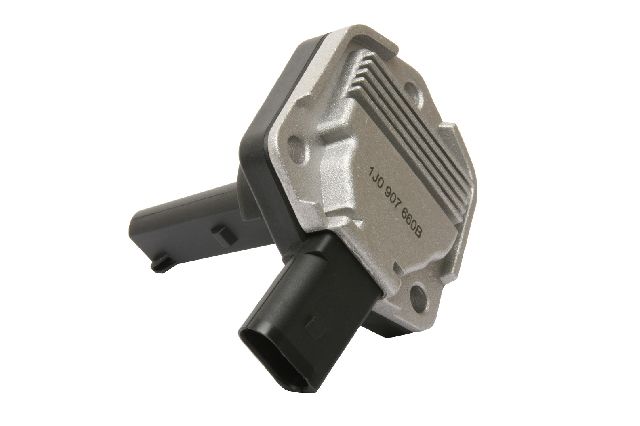
OEM Part Numbers: 1J0907660B 1J0907660C 03C907660H
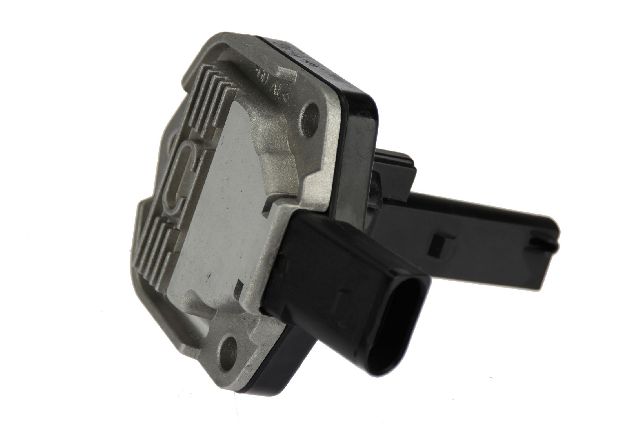
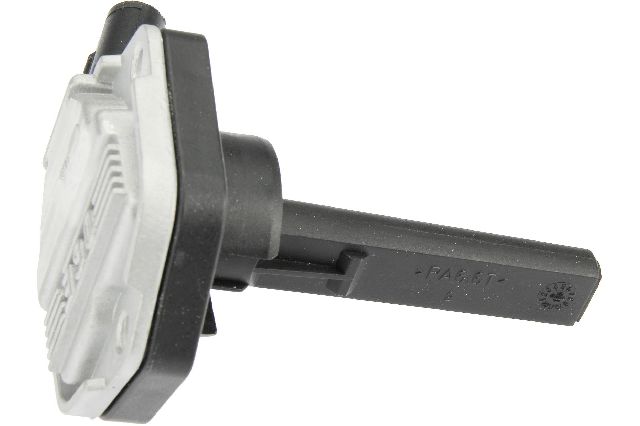
Located in the engine oil pan, secured by three bolts. Features a 3-pin electrical connector.
We Have This Part in Stock


The information in this article is provided for general reference and educational purposes only. Vehicle specifications, procedures, and part compatibility can vary by production date, trim level, and region. Always consult your vehicle's factory service manual and verify part numbers before purchasing or performing repairs. Safety-critical components such as airbags, seat belts, and braking systems should be installed by a qualified professional.
- Audi TT: