

A Guide to the Accessory Drive Belt for the 2000-2009 BMW X5
Understand the symptoms of a failing drive belt and how to choose the right replacement for your E53 or E70 X5.
- A squealing noise is the first warning sign; do not ignore it.
- On V8 models, check for oil leaks from the alternator bracket gasket, as this is a common cause of premature belt failure.
- For a reliable, long-term repair, always replace the belt, tensioner, and idler pulleys together as a kit.
- If the belt breaks, your X5 will lose power steering and start to overheat, so you should pull over immediately.
Is Your BMW X5's Accessory Drive Belt Failing?
The accessory drive belt operates under constant tension and heat, and it will eventually wear out. A typical lifespan is between 60,000 and 100,000 miles, but this can be shortened by other failing parts. Ignoring the warning signs can leave you stranded, as a snapped belt will cause your X5 to lose power steering, stop charging the battery, and begin to overheat.
Key Failure Symptoms:
- Squealing or Chirping Noises: A high-pitched squeal, especially on startup or when turning on the A/C, is the most common sign of a worn or slipping belt.
- Visible Wear and Tear: A visual inspection can reveal a lot. Look for cracks, frayed edges, missing ribs, or a shiny, glazed appearance on the belt's surface.
- Accessory and Electrical Problems: You might notice dimming headlights, a battery warning light on the dash, stiff or heavy steering, or an A/C that no longer blows cold air. These symptoms indicate the belt is failing to properly power the alternator, power steering pump, or A/C compressor.
- Engine Overheating: The most critical symptom is a rising engine temperature gauge. If the belt slips or breaks, the water pump stops circulating coolant, leading to rapid overheating. If you see this, pull over immediately to prevent severe engine damage.
A Common BMW Problem: Oil Leaks Kill Belts
A very common issue on the V8 engines (4.4i, 4.6is, 4.8is) in the E53 X5 is an oil leak from the alternator bracket gasket. This bracket is located directly above the drive belt system. When the gasket fails, oil drips onto the belt and pulleys, causing the rubber to degrade, soften, and fail prematurely. If you find oily residue on or around your belt and tensioner, you must repair the oil leak before replacing the belt, or the new parts will quickly be ruined.
Choosing the Right Aftermarket Drive Belt
When shopping for a new accessory drive belt, you'll find several brands available. For a BMW, using a quality part is important for reliability. While a Genuine BMW belt is always an option, many aftermarket brands produce the original parts for BMW or offer comparable quality at a better price.
Brand Quality Tiers for Your X5:
- OEM-Tier Brands (Recommended): Brands like Continental (ContiTech) and INA are often the Original Equipment Manufacturers (OEM) for BMW. This means they make the exact part that was installed at the factory, just without the BMW logo. These offer the best fit and longevity.
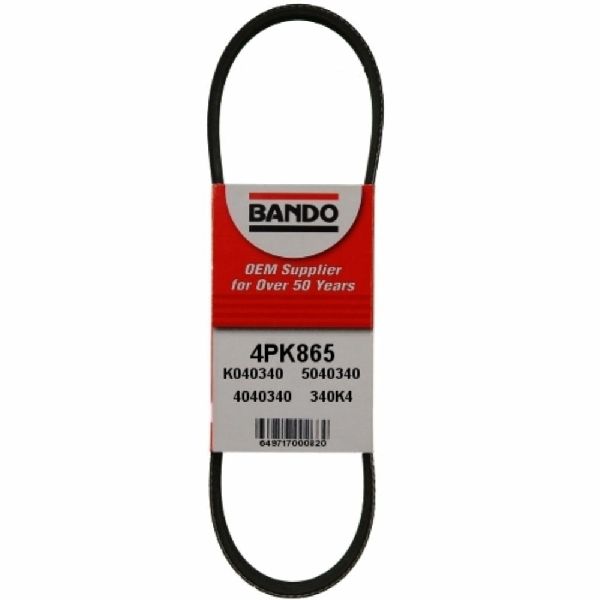
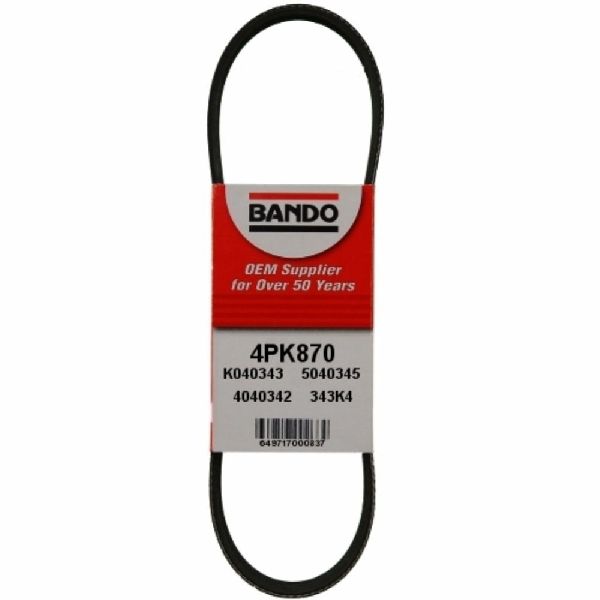
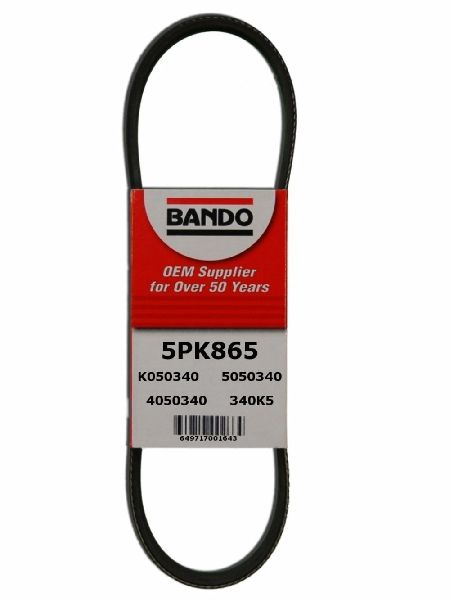
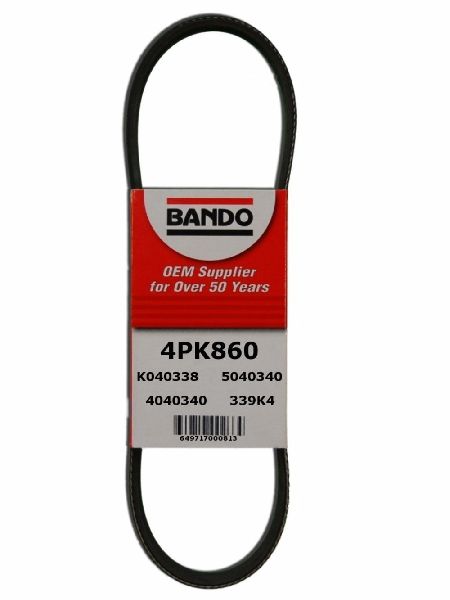
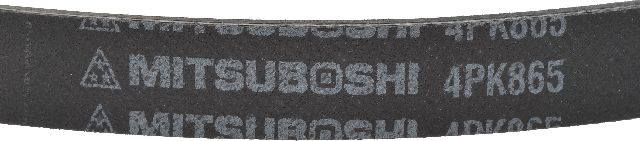
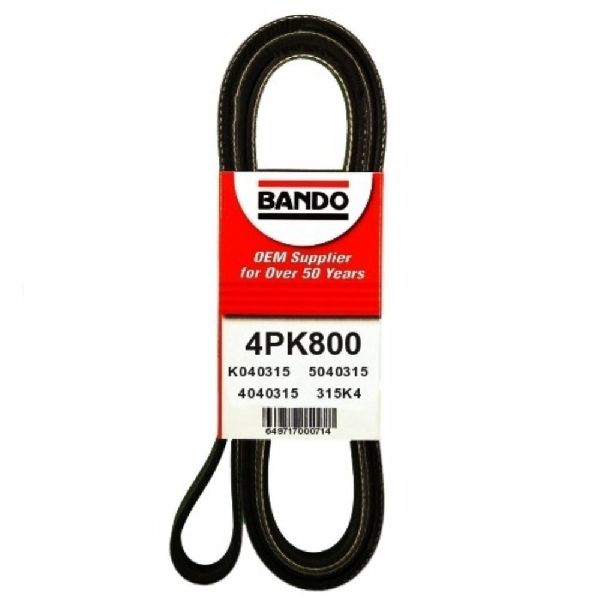
- High-Quality Aftermarket: Bando and Mitsuboshi are major OEM suppliers for many Japanese automakers and are known for producing high-quality belts that are considered reliable alternatives.
- Standard Aftermarket: ACDelco is a well-known general aftermarket brand that offers parts for a wide range of vehicles. Their professional-grade belts are a dependable option that meets standard specifications.
Pro Tip: Replace Components as a Kit
For a complete and lasting repair, it is highly recommended to replace the accessory drive belt, the tensioner(s), and any idler pulleys at the same time. These parts wear out together. A worn tensioner or seized pulley can destroy a new belt in a short amount of time. Buying a complete kit is often more cost-effective and ensures all related wear items are new.
How Much Does a New Accessory Drive Belt Cost?
The cost will vary depending on the brand you choose and whether you are replacing just the belt or the full kit with tensioners and pulleys. Labor costs at a repair shop will also vary by location.
| Part Type | Estimated Cost |
|---|---|
| New Aftermarket Accessory Drive Belt | $13.67 - $48.07 |
| New Aftermarket Belt & Tensioner Kit | $80 - $250+ |
| New OEM (Genuine BMW) Belt | $40 - $75 |
| Shop Labor | $100 - $250 |
Frequently Asked Questions
What's the difference between a serpentine belt and an accessory drive belt?
They are the same thing. "Serpentine" refers to the snake-like path the belt takes around the various pulleys, while "accessory drive belt" describes its function of driving the engine accessories. The terms are used interchangeably.
How often should I replace my X5's drive belt?
As a general rule, you should plan to replace the drive belt between 60,000 and 100,000 miles. However, it's more important to inspect it regularly (for example, during every oil change) for signs of wear like cracks or fraying and replace it as soon as these signs appear.
Do I really need to replace the tensioner and pulleys with the belt?
Yes, it is strongly recommended. The tensioner is a spring-loaded or hydraulic part that keeps the belt tight, and the idler pulleys guide the belt. These parts have bearings that wear out. A failing tensioner can cause a new belt to slip and squeal, while a seized pulley can shred a new belt instantly, leaving you stranded. Replacing them all at once is the best practice for a reliable repair.
Were there any recalls for the 2000-2009 X5 drive belt?
No, there have been no specific recalls from the NHTSA for the accessory drive belt or its related components on the 2000-2009 BMW X5. Failures are considered normal wear and tear. There were recalls for other issues, such as Takata airbags and a fuel heater on diesel models.
Technical Specifications
OEM Part Numbers: 11287512762 11281437450 11287636379 11287520177
The 2000-2009 BMW X5 uses a multi-rib (serpentine) belt. The exact length and number of ribs vary depending on the engine (e.g., 3.0L L6, 4.4L V8, 4.8L V8) and model year. Some V8 models use a second, shorter belt for the A/C system.
We Have This Part in Stock

The information in this article is provided for general reference and educational purposes only. Vehicle specifications, procedures, and part compatibility can vary by production date, trim level, and region. Always consult your vehicle's factory service manual and verify part numbers before purchasing or performing repairs. Safety-critical components such as airbags, seat belts, and braking systems should be installed by a qualified professional.
- BMW X5: