

Ford F-150 Engine Oil Pressure Switch Guide (2000-2009)
Understanding the oil pressure switch in your F-150 and how to choose the right replacement.
- The factory oil pressure gauge is a simple on/off indicator, not a precise measurement tool.
- A gauge that drops to zero at idle and returns to normal with acceleration is a classic symptom of a failing switch, not necessarily a bad engine.
- The switch is located above the oil filter and is a straightforward DIY replacement for most owners, requiring a deep socket.
- Before replacing the switch, always verify the engine oil level is correct to rule out a true low-pressure situation.
Is it a Sensor or a Switch?
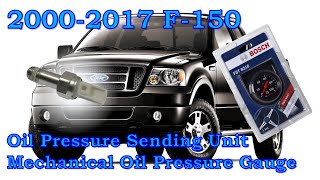
For the 2000-2009 Ford F-150, the part connected to your dashboard gauge is technically a pressure switch, not a variable sensor. This means it doesn't show you the exact oil pressure in PSI. 🎬 Learn how to install a mechanical gauge for real-time PSI readings. Instead, it just tells the gauge to show 'normal' as long as the pressure is above a minimum safe level. If the switch fails, it can give a false reading, causing unnecessary worry. Understanding this is key before you start diagnosing engine problems.
Common Failure Symptoms
A failing oil pressure switch is a common issue on these trucks. When it starts to go bad, you'll likely notice one or more of these signs:
- Oil Pressure Gauge Drops to Zero: The most common symptom is the gauge suddenly dropping to zero, often at idle, and then returning to normal when you accelerate. This usually happens when the truck is warm.
- Flickering Oil Pressure Light: The red oil pressure warning light on the dash may flicker or stay on, even if the oil level is correct.
- Gauge Reads High: Less commonly, a failed switch can short internally and cause the gauge to peg all the way to high as soon as the key is turned on.
- Visible Oil Leak: The switch itself can fail and leak oil. You may see oil on the sensor body, the electrical connector, or dripping from the area around the oil filter.
First, Check Your Oil!
Before assuming the switch is bad, always check your engine oil level and condition. A low oil level is a serious issue that will also trigger the oil pressure light. If you hear any engine knocking, clattering, or grinding noises, stop the engine immediately. This could indicate a true loss of oil pressure, and driving could cause catastrophic engine failure.
Choosing the Right Aftermarket Switch
When replacing the oil pressure switch, you have options between OEM (Original Equipment Manufacturer) and aftermarket brands. For a simple switch like this, a quality aftermarket part can offer good value.
- Good Tier (Standard Replacement): Brands like Standard Ignition (SMP) and their sub-brand True Tech are well-known in the aftermarket and are common replacements. They are designed to meet original specifications and are a reliable choice for this repair. Forum users have reported using these brands successfully.
- Other Options: Other brands like Global Parts and Rostra Powertrain are also available. However, public owner feedback and forum discussions for these specific brands on the F-150 oil pressure switch are less common, making it harder to assess their long-term reliability compared to more established names.
Some owners report that using a genuine Motorcraft part is essential for sensitive electronics. However, since the 2000-2009 F-150 uses a simple on/off switch rather than a sensitive variable sensor, a quality aftermarket switch from a reputable brand is generally considered a reliable and cost-effective repair.
Replacement Cost
Replacing the oil pressure switch is an affordable repair, especially if you do it yourself. The part is inexpensive and the labor is minimal for a mechanic.
| Part/Service | Estimated Cost |
|---|---|
| New Aftermarket Switch | $20 - $41 |
| Shop Labor | $50 - $100 |
| Total Estimated Cost | $70 - $141 |
Frequently Asked Questions (FAQ)
Where is the oil pressure switch located on a 2000-2009 F-150?
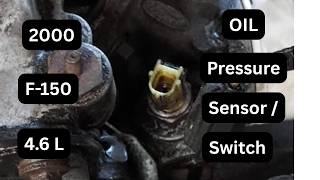
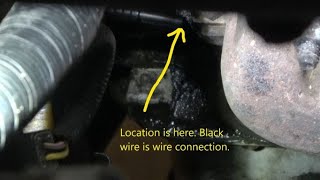
The oil pressure switch is located on the driver's side of the engine block, typically just above the oil filter. 🎬 See exactly where the switch is located on 2000-era trucks. You will need to get under the truck to see and access it. On some 4x4 models, the front differential can make access a little tighter.
Can I replace the oil pressure switch myself?
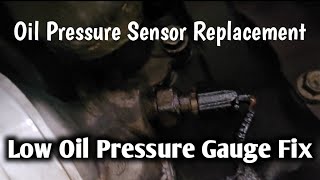
Yes, this is a very DIY-friendly job. It usually takes less than an hour with basic tools. 🎬 Watch this step-by-step replacement guide for 2004-2008 models. You'll need a ratchet with an extension and a deep socket (commonly 21mm, but can vary). Be prepared for a small amount of oil to spill when you remove the old switch.
What tools do I need for the replacement?
You will typically need a ratchet, a 6-inch or 12-inch extension, and a deep socket. The socket size can vary by year and engine, but is often 21mm, 24mm, or 27mm. It's also a good idea to have some rags or paper towels handy to clean up spilled oil.
Do I need to drain the engine oil to replace the switch?
No, you do not need to drain all the oil. However, a small amount (about a cup) will leak out when the switch is removed. Have the new switch ready to install quickly to minimize the mess.
My gauge is still acting up after replacing the switch. What's next?
If a new switch doesn't solve the problem, check the electrical connector and wiring for damage or oil contamination. A dirty or loose pigtail connector can cause the same symptoms. In rare cases, the problem could be with the instrument cluster gauge itself or, more seriously, an actual low oil pressure condition from a failing oil pump.
Helpful Videos
Technical Specifications
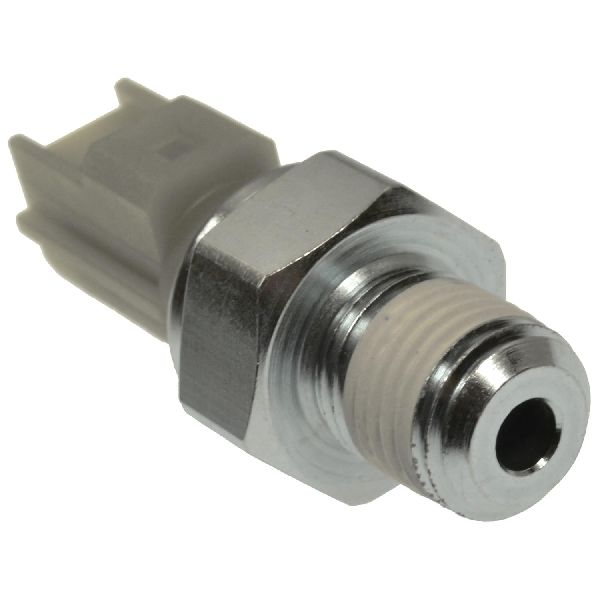
OEM Part Numbers: 6U5Z-9278-E GC3Z-9278-A SW6357 1U5Z9278EA
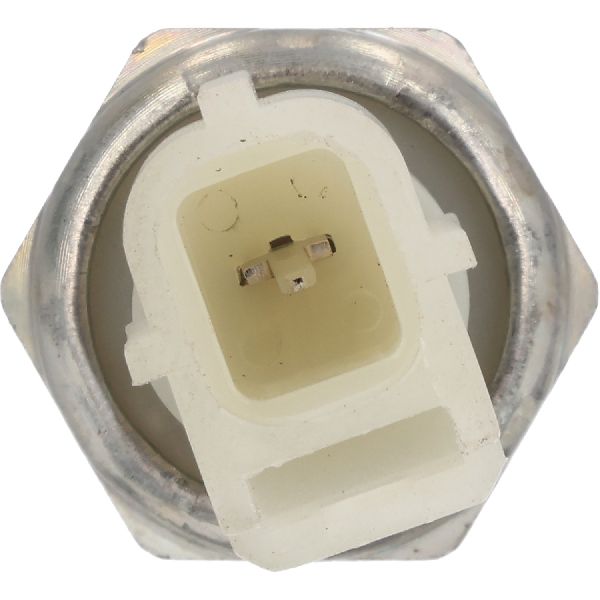
The oil pressure switch on the 2000-2009 F-150 is a normally open switch that closes to complete a circuit when oil pressure exceeds a preset threshold, typically between 5 and 7 PSI. It uses a single-pin electrical connector. The factory instrument cluster is calibrated to show a 'normal' reading whenever this circuit is closed.
We Have This Part in Stock


The information in this article is provided for general reference and educational purposes only. Vehicle specifications, procedures, and part compatibility can vary by production date, trim level, and region. Always consult your vehicle's factory service manual and verify part numbers before purchasing or performing repairs. Safety-critical components such as airbags, seat belts, and braking systems should be installed by a qualified professional.
- Ford F-150: