

Accessory Drive Belt Guide for the 2000-2009 GMC Yukon
Keep your Yukon's engine running smoothly by understanding its accessory drive belt system.
- A failing accessory belt can cause loss of power steering, battery charging, and engine cooling, leading to a breakdown.
- It is highly recommended to replace the belt tensioner and idler pulleys at the same time as the belt for long-term reliability.
- Verify your Yukon's alternator amperage (105A vs. 145A) before ordering, as it affects the required belt length.
- Squealing noises, especially in damp weather, are a common issue that may require a new tensioner or a specific brand of belt to solve.
Is Your Yukon's Accessory Belt Failing?
A failing accessory drive belt can cause serious problems, from losing your power steering to engine overheating. It's important to recognize the warning signs before the belt breaks and leaves you stranded. Look and listen for these common symptoms.
Choosing the Right Aftermarket Belt
When replacing the accessory drive belt on your 2000-2009 Yukon, you have several quality aftermarket options. Not all brands are created equal, but you don't always need to pay for an OEM part to get reliable performance.
- ACDelco: As the original equipment manufacturer (OEM) for GM, ACDelco is a trusted choice. They offer different product lines, such as "Gold" (Professional) and "Silver" (Advantage), which provide a balance of quality and price. For a direct OEM-quality replacement, ACDelco is a safe bet.
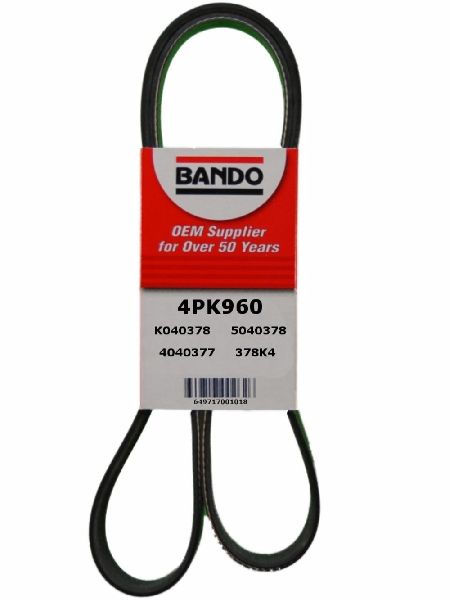
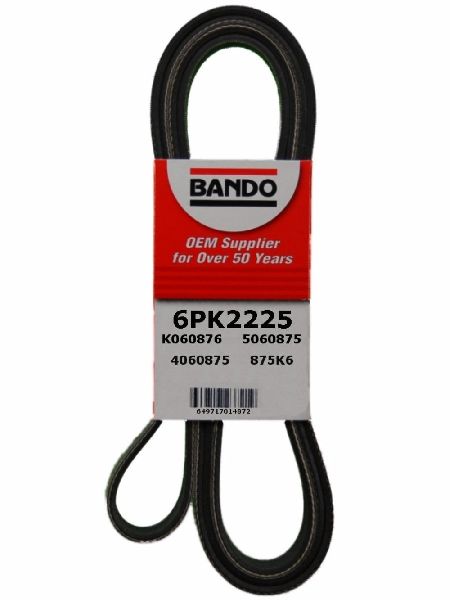
- Bando & Mitsuboshi: These brands are major OEM suppliers for many Japanese automakers and have a strong reputation for quality and durability in the aftermarket. They are known for making reliable EPDM rubber belts that resist cracking and wear. Many owners find them to be excellent, quiet-running alternatives to OEM.
- Replacement: This category typically represents private-label or budget-focused brands. While they are the most affordable option, their construction and materials may not be as robust as the premium brands. A budget belt can be a temporary fix, but for long-term reliability, investing in a higher-tier brand is often recommended.
Pro Tip: Replace the Tensioner and Idler Pulleys
The accessory belt operates under specific tension, maintained by a spring-loaded tensioner and guided by idler pulleys. These components have bearings that wear out over time. It is highly recommended to replace the belt tensioner and any idler pulleys at the same time as the belt. A weak tensioner can cause a new belt to squeal or slip, while a failing pulley bearing can seize and destroy the belt.
Common Ordering Mistakes
The 2000-2009 GMC Yukon was available with different engines and accessories. A common issue is ordering the wrong length belt. Some models came with a 105-amp alternator, while others had an upgraded 145-amp alternator, which requires a slightly longer belt. Always verify your vehicle's specific configuration, including alternator amperage, before ordering a new belt to ensure a proper fit.
Known Issues: Persistent Belt Squeak
Some owners of this Yukon generation report a persistent, chirping belt noise, especially in damp or rainy weather. This can sometimes be caused by pulley misalignment or a worn tensioner. If a new belt and tensioner don't solve the noise, carefully check the alignment of the power steering pump pulley and other accessories. Some owners have had success with specific "Gatorback" style belts, which have a unique rib design to reduce noise.
Frequently Asked Questions
How often should I replace my Yukon's accessory belt?
A general rule is to inspect the belt at every oil change and replace it every 60,000 to 100,000 miles, or as soon as you see signs of significant wear like cracks, fraying, or missing chunks. The service interval can vary based on driving conditions.
Is this a difficult DIY job?
For a mechanically inclined owner, replacing the accessory drive belt is a very feasible DIY job. It typically requires a 15mm wrench or a serpentine belt tool to release the tensioner. The main belt can usually be replaced in under an hour. The separate A/C belt, if equipped, is more difficult to access from underneath the truck.
Why is my new belt squeaking?
If a new belt squeaks, the most common cause is a weak or worn-out belt tensioner that isn't providing enough tension. Other causes include fluid contamination (like coolant or oil) on the belt, or a misaligned pulley.
Do I need to replace the A/C belt at the same time?
Many 2000-2009 Yukons have a second, smaller belt for the A/C compressor. Since you are already working in the area, it is good practice to replace both belts at the same time, especially if they are the same age.
Technical Specifications
OEM Part Numbers: 12626076 12637202
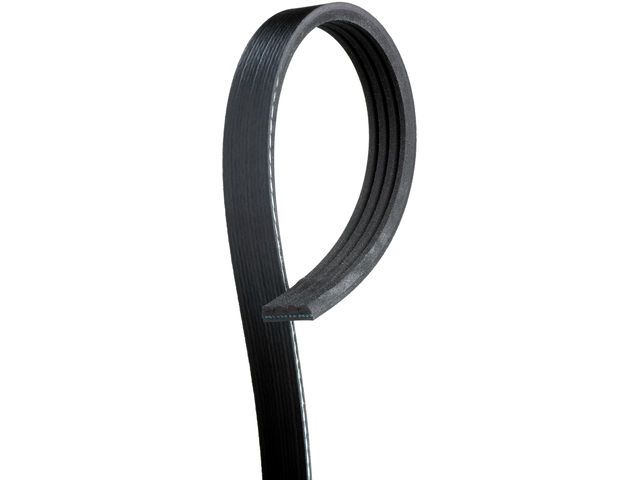
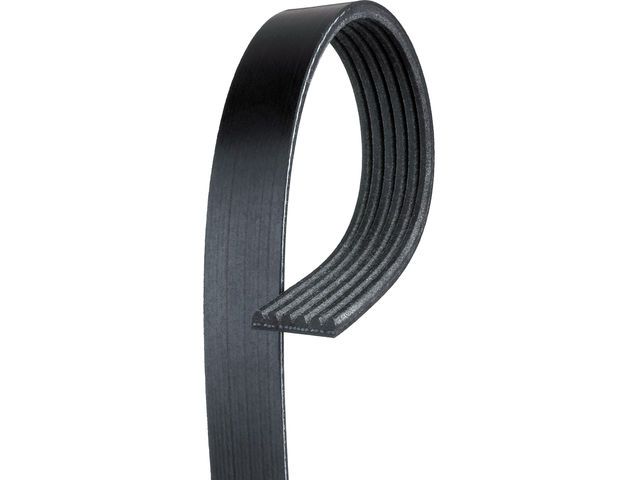
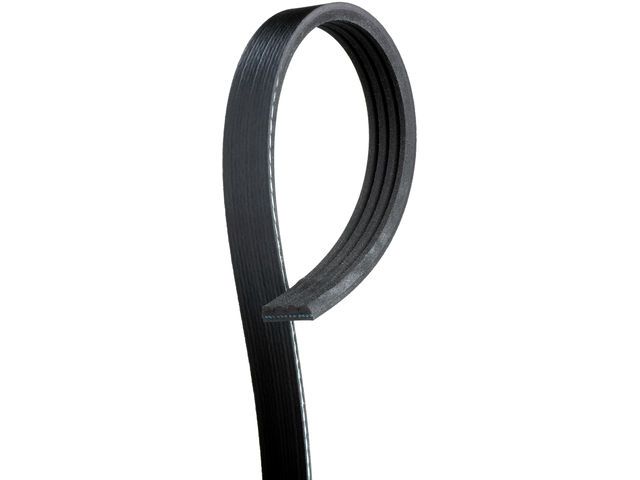
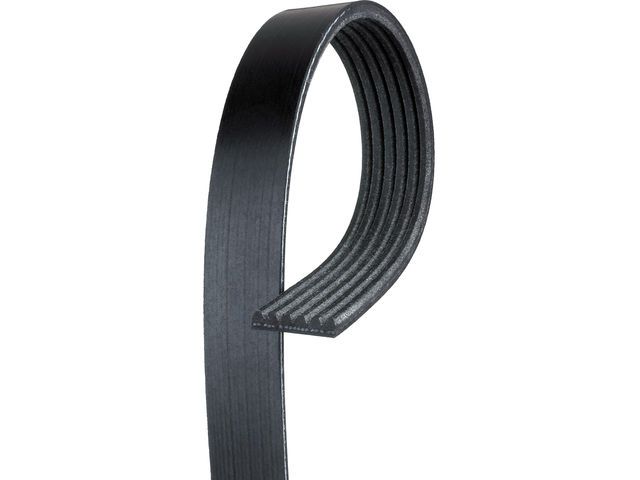
Most models use a 6-rib serpentine belt. The length varies based on engine size (4.8L, 5.3L, 6.0L) and alternator amperage. Some models also have a separate 4-rib A/C belt.
We Have This Part in Stock

The information in this article is provided for general reference and educational purposes only. Vehicle specifications, procedures, and part compatibility can vary by production date, trim level, and region. Always consult your vehicle's factory service manual and verify part numbers before purchasing or performing repairs. Safety-critical components such as airbags, seat belts, and braking systems should be installed by a qualified professional.
- GMC Yukon: