

Honda Insight Engine Oil Pressure Switch Guide: 2000-2009
Understanding the oil pressure warning light on your first-generation Honda Insight.
- Never drive with the oil pressure light on or flickering; engine damage can occur within minutes.
- The most common symptoms of failure are a flickering oil light at idle and/or a visible oil leak from the switch itself.
- The switch is an inexpensive part and is easy to replace for DIYers, located near the oil filter on the back of the engine.
- While aftermarket switches are affordable, choosing a reputable brand is important for this critical safety sensor.
Is Your Oil Light On? What to Know
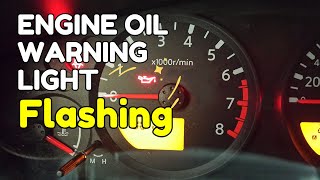
The oil pressure light on your Honda Insight is your engine's most important warning. When it comes on, you must stop the engine immediately. The light means one of two things: either the sensor has failed, or your engine has dangerously low oil pressure and is seconds away from serious damage. You cannot know the difference while driving.
Symptoms of a Failing Oil Pressure Switch
A bad oil pressure switch can fail in a few ways. Recognizing the signs can help you diagnose the problem correctly.
- Flickering Oil Light: The most common symptom is an oil light that flickers, especially at idle or low RPMs. As the switch wears out, it can give false readings when oil pressure is naturally at its lowest. While this might be a faulty switch, you should always treat it as a real pressure problem until you can prove otherwise.
- Oil Light Stays On: If the switch fails completely, it may keep the oil light on constantly, even if the oil level and pressure are fine.
- Visible Oil Leak: The plastic body of the switch can crack, or its internal seal can fail. This causes engine oil to leak from the switch itself. You might see oil on the switch, on the engine block below it, or dripping on the ground.
Warning: Never Ignore the Oil Light
Do not drive your car if the oil pressure light is on or flickering. Continuing to drive with low oil pressure can destroy your engine in minutes. Always pull over safely, turn off the engine, and check your oil level. If the oil level is correct, the vehicle should be towed for diagnosis.
Choosing the Right Aftermarket Switch
For a critical part like an oil pressure switch, quality matters. A cheap, unreliable switch could fail to warn you of a real problem or create false alarms. While the original Honda part is always a safe bet, quality aftermarket brands offer a good balance of price and reliability for your Insight.
| Brand Tier | Brands | Our Price Range | Notes |
|---|---|---|---|
| Good | Rostra Powertrain | $13.67 - $18.00 | Rostra is an IATF-certified manufacturer, known more for transmission components but produces a range of electronic sensors. They are a solid entry-level choice. |
| Better | Standard Ignition (SMP) | $15.00 - $25.00 | Standard Motor Products is a huge aftermarket name. Their quality can be inconsistent, with some parts being excellent and others having shorter lifespans, but they are generally considered a decent mid-tier option. |
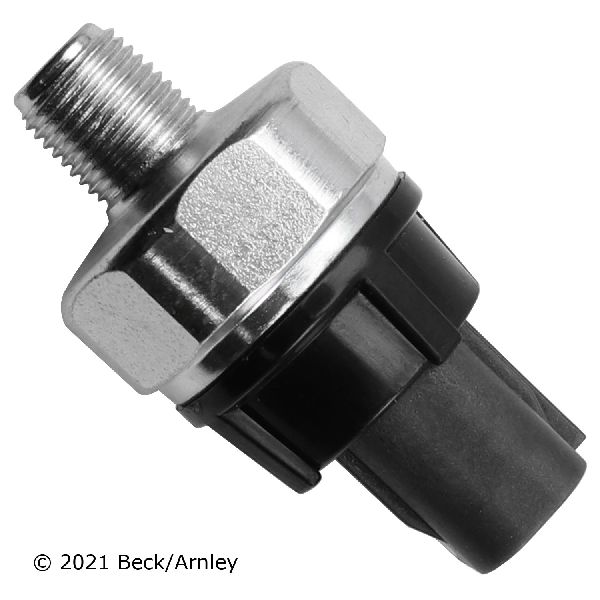
| Best | Beck Arnley | $20.00 - $30.05 | Beck Arnley has a long-standing reputation for sourcing parts from OEM or OEM-equivalent suppliers for Japanese vehicles. While some forum users note a recent decline in consistency, they are historically a top choice for fit and reliability in the aftermarket. |
Pro Tip: Check the Location
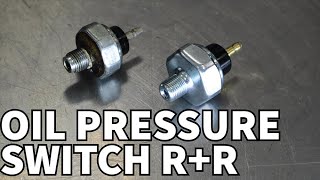
The oil pressure switch on the 2000-2009 Insight is located on the back of the engine block, near the oil filter. It's a simple, single-wire sensor. Replacement is an easy job for a DIY mechanic and requires a 24mm deep socket or wrench. Removing the oil filter first provides much better access.
🎬 See this walkthrough for removing and replacing the switch.Known Issues, Recalls, and Bulletins
Searches of the National Highway Traffic Safety Administration (NHTSA) database and technical service bulletins (TSBs) show no specific recalls or widespread issues for the engine oil pressure switch on the 2000-2009 Honda Insight. Most problems are related to normal wear and tear over time. Broader recalls for this vehicle generation focused on other components like airbags or fuel pumps on later models.
Frequently Asked Questions (FAQ)
Is a flickering oil light really that serious?
Yes. A flickering light indicates that your oil pressure is hovering right at the dangerously low minimum threshold. It often happens at idle when a worn oil pump or low oil level can't maintain pressure. You should immediately and safely stop the vehicle. Driving with a flickering oil light is risking complete engine failure.
Can a bad oil pressure switch cause an oil leak?
Yes. It is common for a failing switch to leak oil. The plastic housing can become brittle and crack, or the internal diaphragm can fail, allowing oil to seep through the body of the sensor or even through the electrical connector. If you see oil on or around your switch, it needs to be replaced.
Should I buy an OEM or aftermarket oil pressure switch?
For this part, an OEM switch offers the highest level of trust and is not excessively expensive. However, a top-tier aftermarket brand like Beck Arnley or a reputable one like Standard Ignition is a perfectly acceptable and cost-effective alternative. Avoid the cheapest, no-name options, as a failure of this part can have catastrophic consequences.
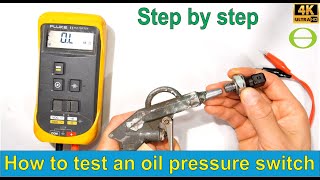
How can I test my oil pressure switch?
The switch can be tested with a multimeter. When the engine is off, the switch should have continuity to ground. When the engine is running and has oil pressure, there should be no continuity. However, the definitive test is to temporarily replace the switch with a mechanical pressure gauge to measure the actual engine oil pressure. This confirms if you have a bad switch or a more serious internal engine problem.
🎬 Watch: How to test an oil pressure switch with a multimeter.Helpful Videos

Technical Specifications
OEM Part Numbers: 37240-P2F-A01 37240-PT0-014
Location: Engine block, near oil filter Socket Size: 24mm Connector: Single pin
We Have This Part in Stock


The information in this article is provided for general reference and educational purposes only. Vehicle specifications, procedures, and part compatibility can vary by production date, trim level, and region. Always consult your vehicle's factory service manual and verify part numbers before purchasing or performing repairs. Safety-critical components such as airbags, seat belts, and braking systems should be installed by a qualified professional.
- Honda Insight: