

Choosing the Right Aftermarket Brake Pads for Your 2000-2009 Honda S2000
Find the perfect balance of daily-driving comfort and the high performance your S2000 was built to deliver.
- Match your brake pad choice to your driving style; a track pad is not ideal for the street, and vice-versa.
- For daily driving, OEM-equivalent pads from brands like Akebono or Centric offer a quiet, low-dust experience.
- For spirited driving, pads like Hawk HPS or StopTech Sport provide a noticeable performance upgrade with manageable dust and noise.
- Always follow the manufacturer's bedding-in procedure for new pads to ensure optimal performance and prevent noise.
Symptoms of Worn Brake Pads
Your S2000 will give you clear signs when it's time for new brake pads. Ignoring them can lead to more expensive repairs, like needing new rotors.
- Squealing or Screeching: Most pads have a small metal tab called a wear indicator. When the pad material gets low, this tab scrapes against the rotor, making a high-pitched noise.
- Grinding Noise: If you hear a deep, metallic grinding, it means the pad material is completely gone. The metal backing plate is now grinding against the rotor, causing serious damage. Stop driving immediately.
- Reduced Stopping Power: If you notice it takes longer to stop or you have to press the brake pedal harder, your pads are likely worn out.
- Vibration or Pulsing: A pulsing feeling in the brake pedal can be caused by unevenly worn pads or deposits of pad material on the rotor.
Choosing the Right Aftermarket Pads for Your S2000
The best brake pad for your S2000 depends entirely on how you drive. A pad designed for the racetrack will be noisy and dusty on the street, while a basic daily-driver pad will overheat and fade quickly during aggressive driving. Aftermarket pads offer a wider range of options than the original equipment manufacturer (OEM) parts.
Pad Tiers by Driving Style:
1. Daily Driver / OEM-Equivalent:
These pads are for S2000 owners who primarily use their car for street driving and want performance similar to the original factory pads. They offer a great balance of quiet operation, low dust, and reliable stopping power. Many owners find original Honda pads to be an excellent benchmark for daily use.
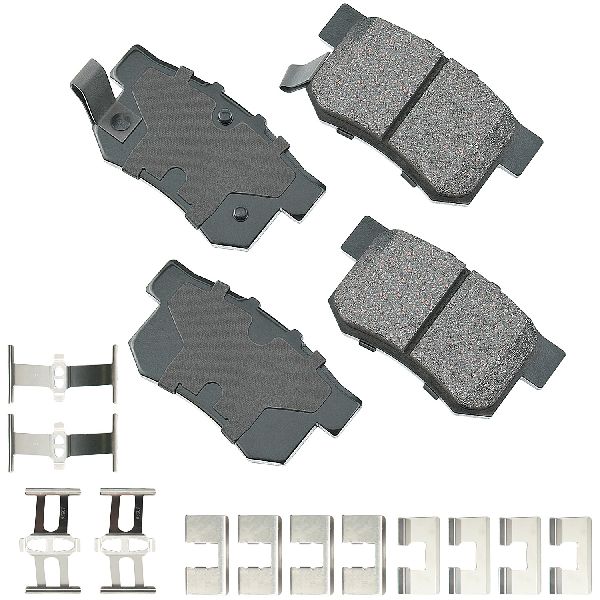
- Akebono ProACT: A popular choice known for being very quiet, producing minimal dust, and offering smooth, reliable stopping power. They are considered an OEM-quality equivalent.
- Centric Posi-Quiet: Another solid OEM-level replacement that provides good performance for everyday use with low noise. Stoptech Street pads are often considered re-branded Centric Posi-Quiet pads.
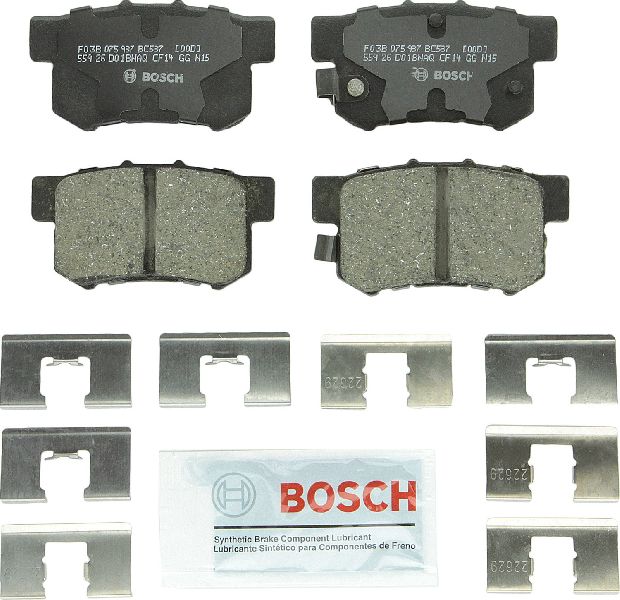
- Bosch QuietCast: A well-regarded brand offering ceramic pads that prioritize quiet, low-dust operation for street cars.
2. Spirited Street & Autocross:
For owners who enjoy spirited back-road driving or the occasional autocross event, these pads offer a step up in performance. They provide a stronger initial bite and better resistance to heat, but often at the cost of more dust and potential for noise.
- Hawk HPS (High Performance Street): A very popular pad for S2000 owners looking for improved performance over stock with minimal noise and dust. They are known for being gentle on rotors and having a long life.
- StopTech Sport: These pads are well-suited for aggressive street driving and light track use. They offer a good temperature range but may have less initial bite when cold. They produce more dust than OEM pads but are generally quiet.
- EBC Yellowstuff: Often seen as a hybrid pad for aggressive street use and light track days. They offer more stopping power than OEM pads but can produce significant dust. Some users report they can fall apart under heavy track use.
3. Autocross & Light Track Duty:
These pads are for enthusiasts who prioritize braking performance for competition but still need to drive the car on the street. Expect significant dust and noise.
- Hawk HP+: Designed for autocross and track days, these pads offer very high friction and fade resistance. However, they are known for being extremely dusty and noisy on the street. They can also feel grabby and be difficult to modulate.
- PowerStop Track Day: These pads are reported to offer performance close to more expensive track pads at a lower cost. They are not recommended for street use due to potential noise and wear.
Aftermarket Brake Pad Cost
| Part | Price Range |
|---|---|
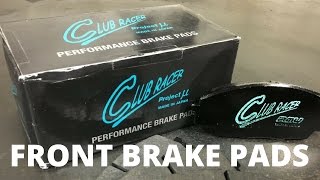
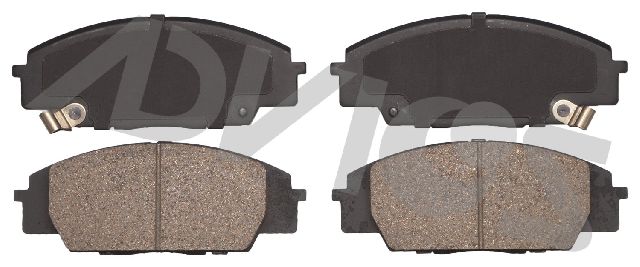
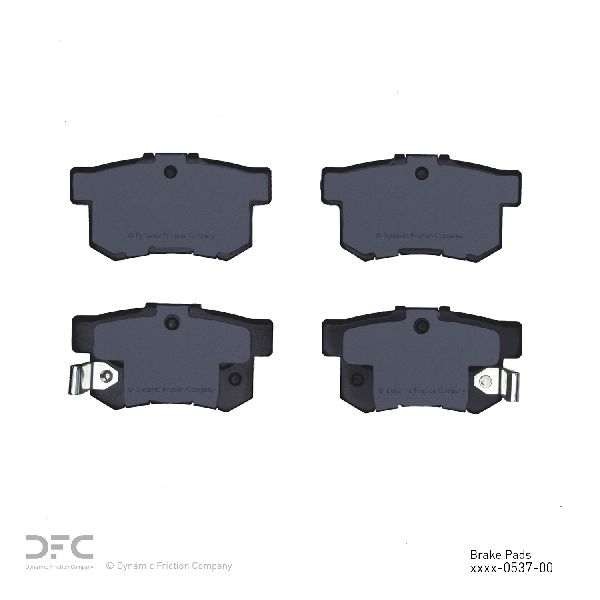
| Disc Brake Pad Set (Front or Rear) | 🎬 Watch this step-by-step guide to replacing your front brake pads.$24.21 - $290.69 |
Known Issues & Recalls
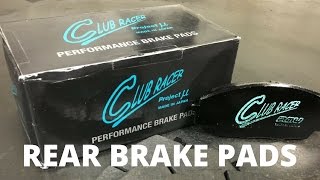
There have been no recalls or widespread Technical Service Bulletins (TSBs) specifically for the brake pads on the 2000-2009 Honda S2000. However, a recall was issued for some 2006-2007 S2000 models related to the brake booster, which could lead to a loss of vacuum and reduced braking power. This is a separate component from the brake pads themselves. Some owners have reported issues with seized brake calipers 🎬 Learn how to properly replace the rear brake pads yourself., which can cause pads to wear out prematurely and create a burning smell. This is typically due to normal wear and tear on the caliper slide pins or piston rather than a fault of the pads.
Frequently Asked Questions (FAQ)
Do I need to replace my rotors at the same time as my pads?
Not always. Rotors should be replaced if they are worn below the minimum thickness (23mm for the front, 10mm for the rear), or if they are heavily grooved or warped. If the rotors are in good condition, you can install new pads on them, but it's crucial to follow the pad's bedding-in procedure.
What is the difference between AP1 (2000-2003) and AP2 (2004-2009) brake pads?
The pads are physically interchangeable. However, the pad compounds differ. AP1 pads were generally a ceramic compound with less dust, while AP2 pads are a semi-metallic compound that offers better performance at the cost of more dust. Many owners of both generations have opinions on which is better for street use.
What is "bedding-in" new brake pads and why is it important?
Bedding-in is the process of breaking in new pads and rotors. It involves a series of controlled stops to transfer an even layer of friction material from the pad to the rotor. This process ensures smooth, quiet, and powerful braking. Failing to bed-in performance pads can lead to vibration, noise, and reduced performance.
Why are my new brake pads so dusty?
Brake dust is a normal byproduct of friction. Generally, higher-performance pads that offer more stopping power (like semi-metallic or track-oriented compounds) will create more dust than quieter, low-friction ceramic pads. Brands like Hawk HP+ and EBC Yellowstuff are known for being dusty.
Helpful Videos
Technical Specifications
OEM Part Numbers: 43022-S2A-010 43022-S2A-000 43022-S2A-E50
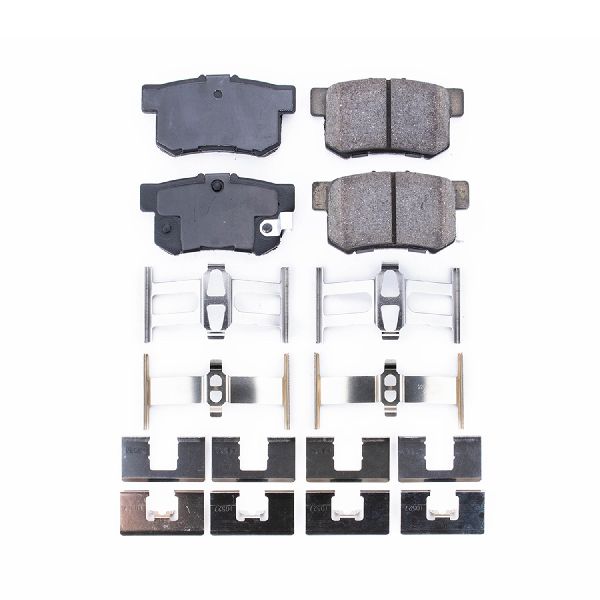
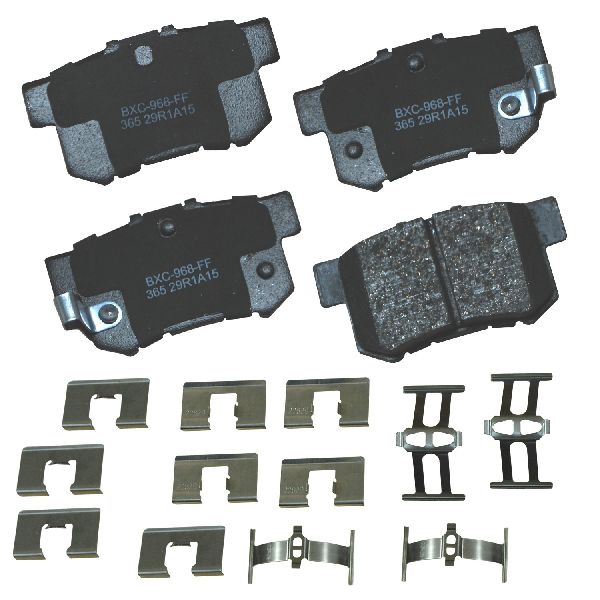
Brake pad replacement is a straightforward job on the S2000. The front calipers require a 12mm and 19mm wrench, while the rears use a 12mm and 17mm wrench. The rear caliper pistons must be rotated clockwise to retract, unlike the front pistons which can be pushed straight back. A caliper wind-back tool or a 3/8" ratchet extension can be used for the rear pistons.
We Have This Part in Stock

The information in this article is provided for general reference and educational purposes only. Vehicle specifications, procedures, and part compatibility can vary by production date, trim level, and region. Always consult your vehicle's factory service manual and verify part numbers before purchasing or performing repairs. Safety-critical components such as airbags, seat belts, and braking systems should be installed by a qualified professional.
- Honda S2000: