

Choosing the Right Disc Brake Pads for Your 2000-2009 Kia Spectra
Everything you need to know about replacing the disc brake pads on your first or second-generation Kia Spectra.
- Confirm your Spectra's generation (2000-2004 or 2004.5-2009) before ordering, as the parts are different.
- Symptoms of failure include squealing sounds, grinding noises, and vibration when braking.
- For most owners, a quality ceramic pad from brands like Bosch, Akebono, or Centric offers the best balance of performance and value.
- Replacing brake pads is a manageable DIY project, but always clean and lubricate caliper slide pins to prevent future issues.
Symptoms of Failing Brake Pads
Your Kia Spectra has a built-in metal tab on the brake pads called a wear indicator. When the pads get too thin, this tab will scrape against the brake rotor and make a high-pitched squealing or screeching sound, telling you it's time for a replacement. If you ignore this sound, it can turn into a harsh grinding noise, which often means the pads are completely worn away and you are now damaging the brake rotors.
🎬 See why brakes squeak and how to fix the noise.Other signs include:
- A steering wheel that shakes or vibrates when you brake, which could point to warped rotors.
- The car pulling to one side when you apply the brakes.
- A "squishy" or soft-feeling brake pedal.
- A burning smell after hard braking.
Generation Gaps: A Critical Note for Spectra Owners
The 2000-2009 Kia Spectra covers two different vehicle generations, and they do not use the same brake parts. It is essential to order parts specifically for your car's year.
- First Generation (SD): 2000-2004
- Second Generation (LD): 2004.5-2009 (This includes the Spectra5 hatchback)
Always confirm your vehicle's production year before purchasing brake pads to ensure a correct fit. 🎬 Watch: Step-by-step guide to replacing front brake pads. Some mid-2004 models can be tricky, so double-check your vehicle's specifics.
Choosing the Right Aftermarket Brake Pads
For a vehicle like the Kia Spectra, aftermarket brake pads offer excellent value and performance that is often equal to or better than the original equipment (OEM) parts. The key is to choose a reputable brand and the right type of pad for your driving style.
Brake pads are generally made from three types of materials: organic, semi-metallic, and ceramic.
- Organic (NAO): These are quiet and easy on rotors but can wear faster and create more dust. They are a good choice for gentle, everyday city driving.
- Semi-Metallic: These offer strong braking performance and are very durable, but can be noisier and wear rotors faster than other types.
- Ceramic: A popular choice for daily drivers, ceramic pads are quiet, produce very little dust, and offer consistent performance. Most aftermarket options for the Spectra will be ceramic.
Brand Tiers for Your Kia Spectra
Here’s a breakdown of the available brands to help you decide:
Tier 1: Economy & Daily Driver
These brands provide safe, reliable stopping power for normal commuting at a very affordable price. They are a great alternative to the original pads that came on your Spectra.
- Pronto / Total Stopping Solutions: Basic, no-frills pads that get the job done reliably and affordably.
- Dynamic Friction / Centric Posi-Quiet: Known for providing good quality and fit, often including new hardware for a complete job. Centric is a very popular choice for daily drivers.
- Wagner Brakes / Raybestos: Long-standing, trusted names in the brake industry that offer dependable, OEM-quality performance.
Tier 2: Premium & OEM-Quality
If you want a step up in quality with potentially longer life, less noise, and less dust, these brands are excellent choices. They often meet or exceed the original factory specifications.
- Bosch QuietCast: A very popular aftermarket choice known for being extremely quiet and low-dust.
- Akebono Pro-ACT: A top-tier brand, often an OEM supplier, known for its superior ceramic formulas that are quiet, low-dust, and long-lasting.
- Beck Arnley: Focuses on providing parts that match the original form, fit, and function for specific vehicles.
Tier 3: Performance Upgrade
For drivers who want improved stopping power, especially if you live in a hilly area or simply prefer a firmer pedal feel. These kits often come with pads and rotors designed to work together.
- Powerstop: Offers complete kits that are very popular for their ease of installation and noticeable performance improvement over stock brakes. They are known for low dust and quiet operation.
- EBC Brakes: A well-respected performance brand offering different compounds for various driving styles, from daily driving upgrades (Ultimax2) to more aggressive street performance.
- Brembo: A legendary name in high-performance braking, offering premium pads for those who demand the absolute best in stopping power.
Estimated Costs for Front Brake Pad Replacement
| Item | Cost |
|---|---|
| New Aftermarket Pad Set | $10.75 - $87.65 |
| Shop Labor | $110 - $160 |
| Total Estimated Cost | $120 - $248 |
Costs are estimates and can vary based on your location, the specific parts chosen, and whether other components like rotors or calipers need service.
Frequently Asked Questions (FAQ)
Do I need to replace my rotors at the same time?
It's highly recommended. While you can sometimes resurface old rotors if they are thick enough, installing new pads on a worn or uneven rotor surface can cause noise, vibration, and reduced pad life. For the best performance and longevity, replacing pads and rotors together is the best practice.
Can I replace just one side?
No. Brake pads must always be replaced in pairs on both wheels of an axle (both front wheels or both rear wheels) 🎬 Watch: How to change the rear brake pads yourself. to ensure even braking and prevent the car from pulling to one side.
What is "bedding-in" new brakes?
Bedding-in is the process of breaking in your new pads and rotors. It involves a series of controlled stops to transfer an even layer of friction material from the pad to the rotor. This ensures smooth, quiet, and powerful braking. Most manufacturers provide specific instructions, but it typically involves several moderate stops from around 40 mph, followed by a cool-down period.
Do Kia Spectras have electronic brake wear sensors?
No, the 2000-2009 Kia Spectra does not use electronic brake wear sensors that trigger a light on the dashboard. It uses a simple mechanical squealer tab that makes an audible noise when the pads are low.
What are common problems related to brake jobs on a Spectra?
A common issue found on older cars is a seized or sticky caliper or caliper slide pins. This can cause the brakes to drag, leading to rapid and uneven pad wear. When replacing your pads, it's crucial to clean and lubricate the caliper slide pins with high-temperature brake grease to ensure the caliper moves freely.
Helpful Videos
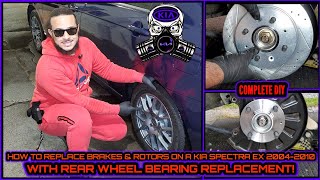
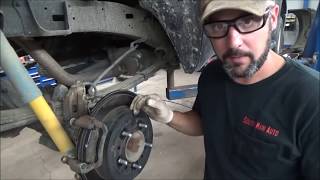
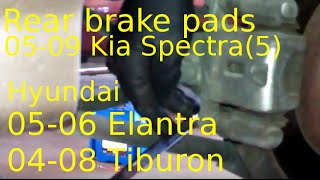
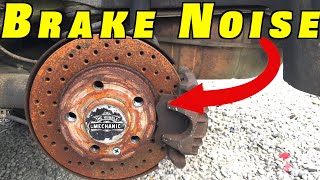

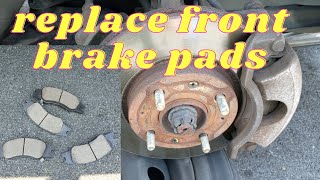
Technical Specifications
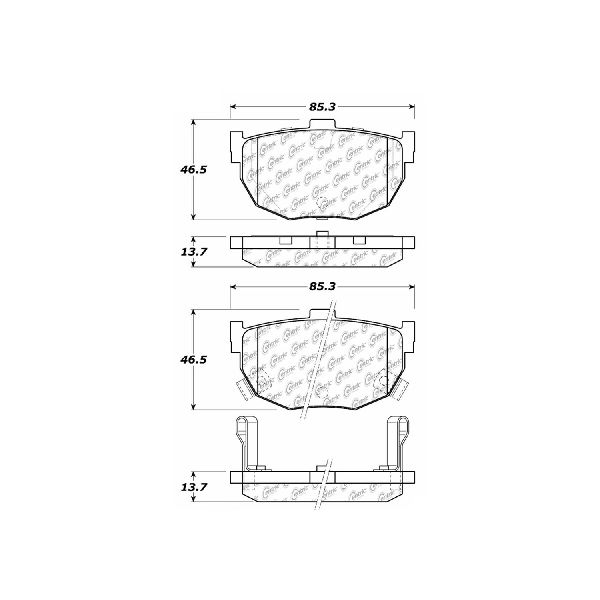
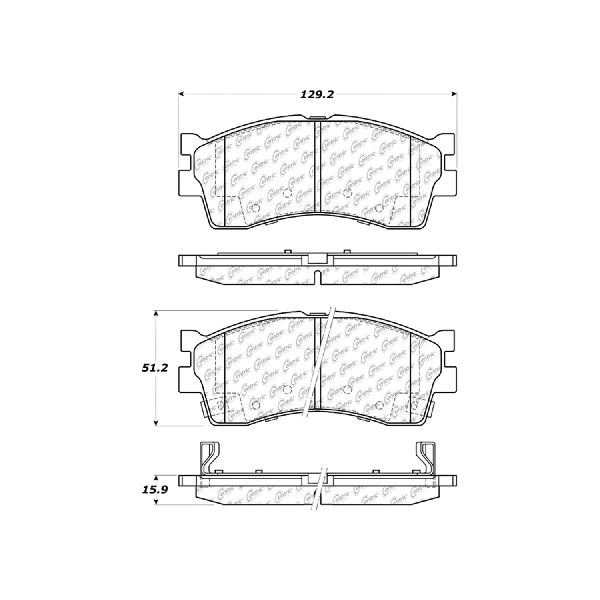
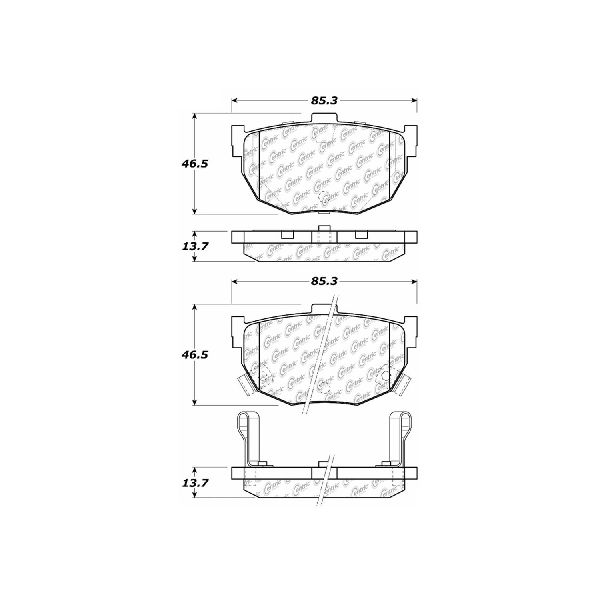
OEM Part Numbers: 581012FA10 583022FA00 0K2N13328ZA 0K9A02628Z 0K2A43323Z 0K2N13328Z
The 2000-2009 Kia Spectra uses a mechanical wear indicator for its brake pads, not an electronic sensor. The most common aftermarket material is ceramic, offering a quiet, low-dust alternative to original organic or semi-metallic pads. There are distinct part differences between the first generation (2000-2004) and the second generation (2004.5-2009).
We Have This Part in Stock

The information in this article is provided for general reference and educational purposes only. Vehicle specifications, procedures, and part compatibility can vary by production date, trim level, and region. Always consult your vehicle's factory service manual and verify part numbers before purchasing or performing repairs. Safety-critical components such as airbags, seat belts, and braking systems should be installed by a qualified professional.
- Kia Spectra: