

Mercury Sable Engine Torque Strut Mount Guide (2000-2009)
Stop the clunking noises and vibrations from your Sable's engine bay by replacing a worn torque strut mount.
- You must know your Sable's year (2000-2005 vs 2008-2009) and engine (3.0L Vulcan vs 3.0L Duratec) to get the correct part.
- A loud 'clunk' when shifting gears is the most definite sign of a failed torque strut mount.
- Aftermarket brands like Anchor, DEA, and Westar are affordable but may cause more cabin vibration than the original part.
- This is a beginner-friendly DIY repair that usually takes less than an hour with basic tools.
A Tale of Two Sables: Know Your Vehicle
Before buying an engine torque strut mount, you must know which version of the Mercury Sable you own. The 2000-2009 model years cover two completely different cars.
- 2000-2005 Mercury Sable: This car is based on the Ford Taurus. It was available with two different 3.0L V6 engines: the push-rod Vulcan engine and the dual-overhead-cam (DOHC) Duratec engine. These engines use different mounts, so you must confirm which one is in your car.
- 2008-2009 Mercury Sable: After a two-year break, the Sable name returned on a larger car based on the Ford Five Hundred. These models used a 3.5L V6 engine and have different mounts that do not fit the older models.
Symptoms of a Failing Torque Strut Mount
When the rubber in the torque strut mount cracks or separates, the signs are usually easy to notice. Here’s what to look and listen for:
- Loud Clunking or Thudding: A sharp 'clunk' or 'bang' from the engine area when you shift from Park to Drive or Reverse is a classic symptom. You might also hear knocking sounds when you accelerate hard or hit a bump. This is the sound of the engine moving and hitting other parts.
- Excessive Vibration: You may feel a strong vibration through the steering wheel, floor, or seats, especially when the car is stopped at a red light with the engine in gear.
- Visible Engine Movement: Open the hood and have a helper safely apply the brake, shift the car into Drive, and lightly press the gas. If you see the engine lurch or jump more than an inch or two, a mount is likely bad.
Choosing the Right Aftermarket Part
For the Mercury Sable, the original Motorcraft mounts provide the best ride quality and durability. However, aftermarket options offer a more budget-friendly solution. Here's an honest look at the available brands:
OEM vs. Aftermarket: Aftermarket mounts are much cheaper but can be a gamble. Many owners report that budget brands like Anchor, DEA, and Westar can increase cabin vibration compared to the original part. They are functional but may not last as long or provide the same smooth feel as an OEM mount.
- Good (Value Tier): Brands like Anchor, DEA, and Westar are widely available and very affordable. They are a practical choice if your main goal is to fix a completely failed mount on a budget. Be aware that some users have experienced issues with fit and increased vibration with these brands.
- Better (Mid-Grade): A brand like Pioneer is sometimes considered a step up, with some users noting their quality is closer to the factory part.
| Brand Tier | Estimated Part Cost |
|---|---|
| Value Aftermarket (Anchor, DEA, Westar) | $19.31 - $45.00 |
| Mid-Grade Aftermarket (Pioneer) | $40.00 - $63.75 |
| OEM (Motorcraft) | $70.00 - $120.00+ |
Frequently Asked Questions (FAQ)
Is this a difficult part to replace myself?
No, for many DIY mechanics, this is a relatively easy job. The torque strut mount is usually located on top of the engine and is held on by just a few bolts. The basic steps involve supporting the engine's weight with a floor jack and a block of wood, unbolting the old mount, and bolting the new one in. It typically takes less than an hour.
Are there any recalls for the Mercury Sable engine mounts?
No, there have been no specific safety recalls issued by the NHTSA for engine mount failure on the 2000-2009 Mercury Sable. There were unrelated customer satisfaction programs for throttle cables on 2000-2003 models and a recall for a stop lamp switch.
Should I replace all the engine mounts at once?
It is good practice. Engine mounts wear at a similar rate. If the torque strut has failed, the other mounts are likely weak. A single new, stiff mount can put extra stress on the remaining old, soft mounts, causing them to fail sooner. Replacing them as a set can save you on future labor costs.
Why does my car vibrate more after installing a new aftermarket mount?
This is a common issue with budget aftermarket mounts. The rubber used is often harder than the original factory part, which means it transmits more engine vibration into the car's cabin. In some cases, the vibration may lessen slightly as the mount settles, but it will rarely be as smooth as the OEM part.
Technical Specifications
OEM Part Numbers: YF1Z-6038-AA YF1Z-6068-AB 6F5Z-6068-LA
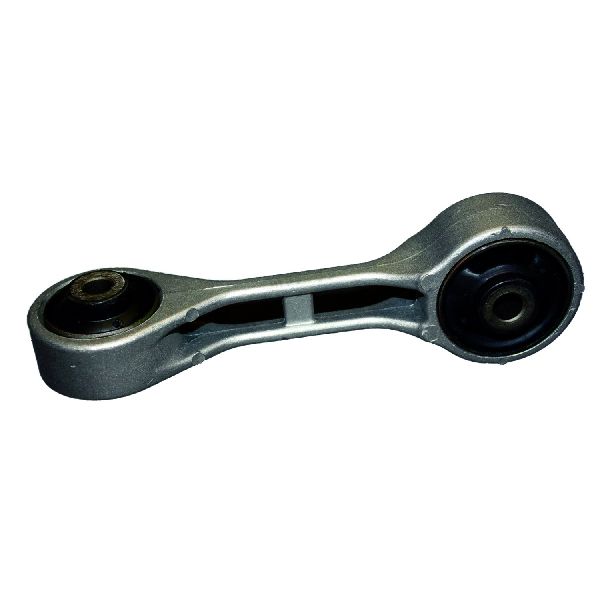
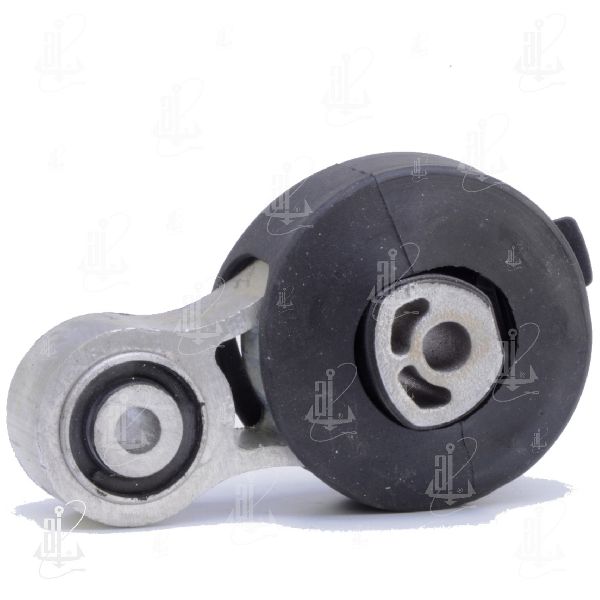
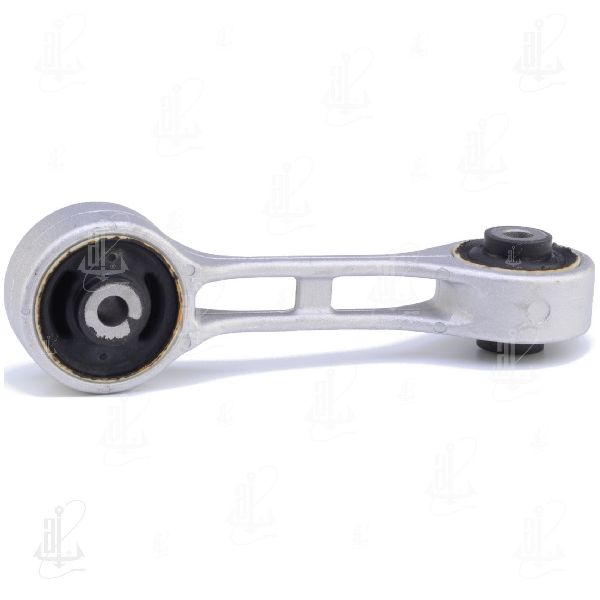
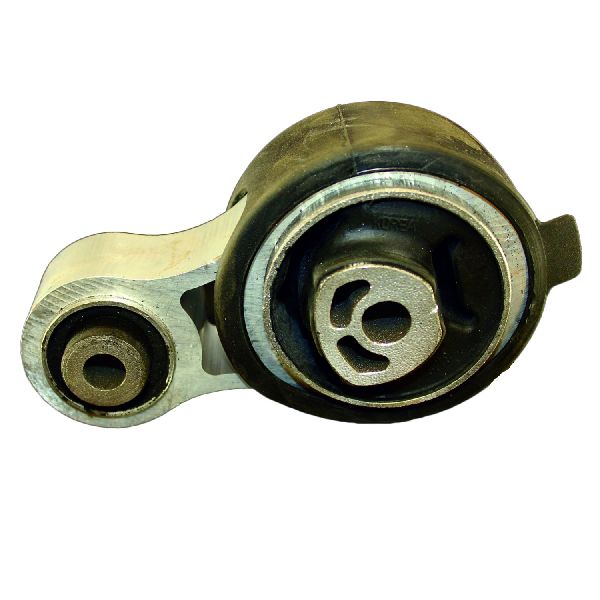
The torque strut mount, often called a 'dog bone' or upper engine mount, is a rubber and metal assembly. For 2000-2005 models, there are different parts for the 3.0L OHV (Vulcan) and 3.0L DOHC (Duratec) engines. The 2008-2009 models use a different design for the 3.5L V6.
We Have This Part in Stock


The information in this article is provided for general reference and educational purposes only. Vehicle specifications, procedures, and part compatibility can vary by production date, trim level, and region. Always consult your vehicle's factory service manual and verify part numbers before purchasing or performing repairs. Safety-critical components such as airbags, seat belts, and braking systems should be installed by a qualified professional.
- Mercury Sable: