

A Subaru Forester Owner's Guide to Air/Fuel Ratio Sensors (2000-2009)
If your check engine light is on and your fuel economy is down, your front air/fuel sensor could be the problem.
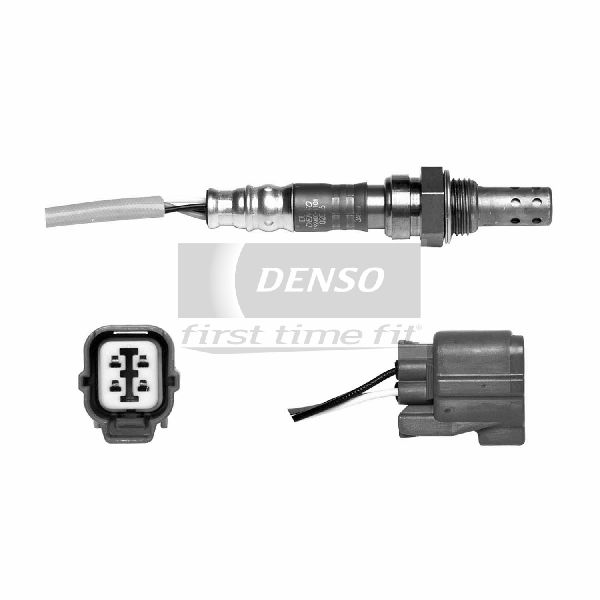
- For aftermarket replacements, only use Denso or NGK/NTK brands, as they are the OEM suppliers for Subaru.
- Symptoms of failure include a check engine light (P0171, P0030, P0031), poor gas mileage, and rough idle.
- This is the front (upstream) sensor; do not confuse it with the rear (downstream) oxygen sensor.
- Check for a blown fuse before replacing the sensor, especially if you have a heater circuit code.
Is Your Forester's A/F Sensor Failing?

A failing air/fuel ratio sensor doesn't usually stop the car from running, but it will cause noticeable problems. Because the ECU gets bad information, it can't properly control the engine's fuel mixture. You'll likely see a Check Engine Light, but you might also notice other issues.
Common Symptoms:
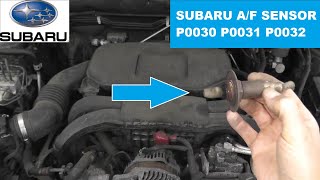
- Check Engine Light (CEL): This is the most common sign. Codes like P0171 (System Too Lean), P0030, P0031, or P0032 (Heater Circuit Malfunction) often point to the front A/F sensor.
- Worse Gas Mileage: The engine computer may default to a rich fuel mixture to be safe, causing you to use more fuel than necessary.
- Rough Idle or Hesitation: An incorrect air-fuel mix can make your engine run poorly, especially at idle or during acceleration. 🎬 See how a P0171 lean code affects engine performance.
- Failed Emissions Test: The A/F sensor is a critical part of the emissions system. An incorrect reading will almost certainly cause a test failure.
Vehicle-Specific Known Issues
Subaru issued a Technical Service Bulletin (TSB #WXW80) for some early Foresters regarding potential cracking of the front A/F sensor element. Another TSB for later models in this range (#WVU-31) involves an ECM reprogram to improve A/F sensor performance, especially related to the heating element in cold weather. This highlights the importance of using a high-quality, OEM-equivalent part.
Choosing the Right Aftermarket A/F Sensor

For your 2000-2009 Subaru Forester, this is a part where brand choice is critical. Your Forester's ECU is sensitive and designed to work with a specific type of sensor.
- Tier 1 (Recommended): Denso & NGK (NTK)
Denso and NGK (which sells sensors under the NTK brand) are the original equipment manufacturers (OEM) for Subaru. This means they made the part that was installed at the factory. Choosing a Denso or NTK aftermarket sensor is the safest bet for a direct-fit, plug-and-play replacement that will perform correctly without causing new issues. - Tier 2 (Use with Caution): Other Brands (e.g., Bosch)
While brands like Bosch make quality parts for many European vehicles, they are not the OEM supplier for this Subaru part. Forum discussions and mechanic experience often show that using non-OEM brands on Subarus can lead to incorrect readings, persistent check engine lights, and compatibility problems. It is strongly recommended to stick with Denso or NTK.
Pro Tip: Upstream vs. Downstream
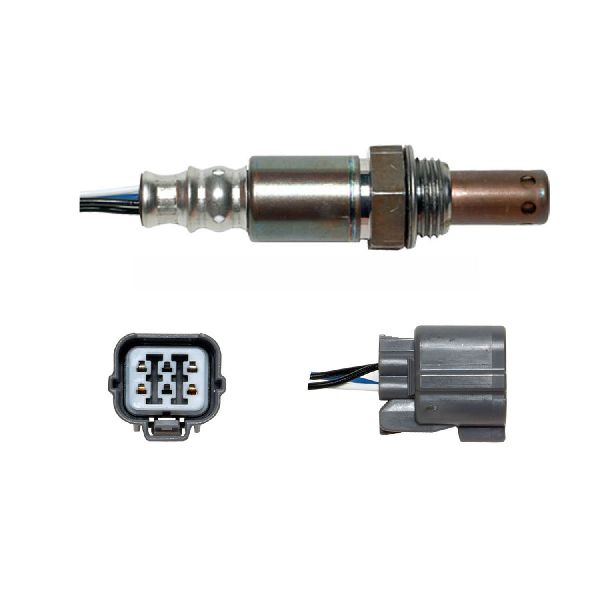
Your Forester has two sensors. The front (upstream) one is the Air/Fuel Ratio Sensor, which is a more complex and expensive wideband sensor. The rear (downstream) one is a standard Oxygen (O2) Sensor that just checks if the catalytic converter is working. Make sure you are ordering the correct part for your needs; they are not interchangeable.
Cost of Replacing the Air/Fuel Ratio Sensor
The cost can be broken down into parts and labor. While dealership prices will be highest, you can save money by using a quality aftermarket part and either doing the work yourself or going to an independent shop.
| Item | Estimated Cost |
|---|---|
| New OEM (Dealership Part) | $250 - $400+ |
| New Aftermarket (Denso/NTK) | $124.73 - $302.52 |
| Shop Labor | $150 - $300 |
| Total (Aftermarket + Shop) | $275 - $600 |
Note: Costs are estimates and can vary based on your location, vehicle specifics, and the repair shop.
Frequently Asked Questions

Can I replace just the A/F sensor myself?
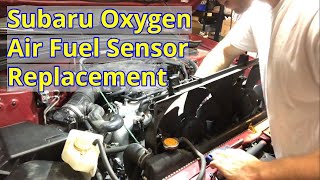
Yes, this is a DIY-feasible job for someone with moderate experience. The sensor is located in the exhaust manifold. Access can be tight, so you may need to remove the air intake snorkel. You will need a special tool called an O2 sensor socket, which has a slit for the wire to pass through. Always apply anti-seize compound to the threads of the new sensor (most new sensors include it) and be careful not to damage the electrical connector.
🎬 Watch: Step-by-step upstream air fuel sensor replacement walkthrough.Why can't I just buy the cheapest sensor available?
The Subaru ECU is calibrated to expect very specific voltage and resistance readings from the A/F sensor. Cheaper, universal, or off-brand sensors often don't meet these exact specifications, which can lead to the ECU rejecting the new part, keeping the check engine light on, and providing no improvement in performance. Using the OEM supplier (Denso or NTK) is a proven way to avoid these headaches.
Could a P0031 code just be a fuse?
Yes, it's possible. The P0031 code relates to the sensor's internal heater circuit. This circuit is protected by a fuse. Before spending money on a new sensor, it is worth checking the fuse box in the engine bay to see if the corresponding fuse is blown. However, in most cases, the code indicates a failure within the sensor itself.
🎬 Watch this diagnostic guide before buying a new sensor.Was there a recall for the A/F sensor on my Forester?
No, there have been no specific recalls issued by the NHTSA for the air/fuel ratio sensor on the 2000-2009 Subaru Forester. However, there are relevant Technical Service Bulletins (TSBs) that address potential sensor element cracking and ECM software updates related to sensor performance.
Helpful Videos
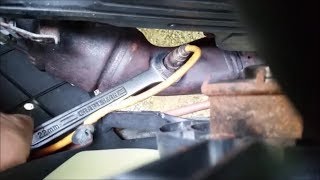
Technical Specifications
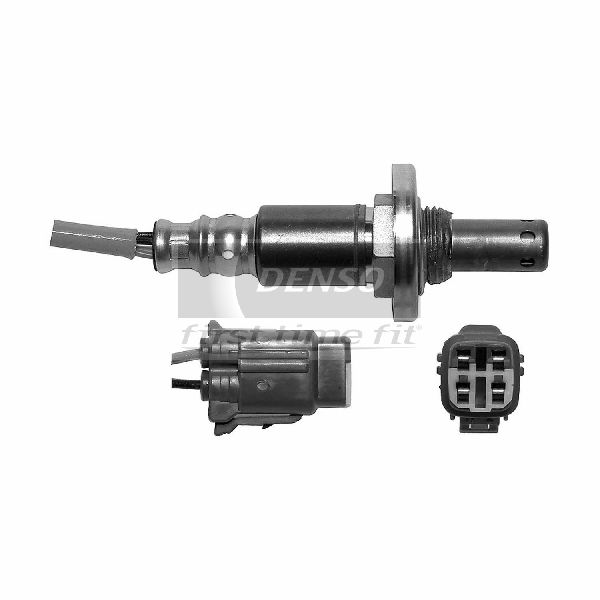
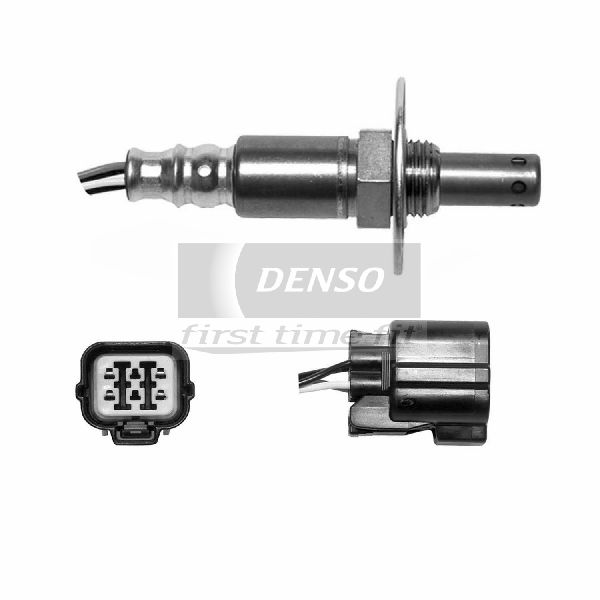
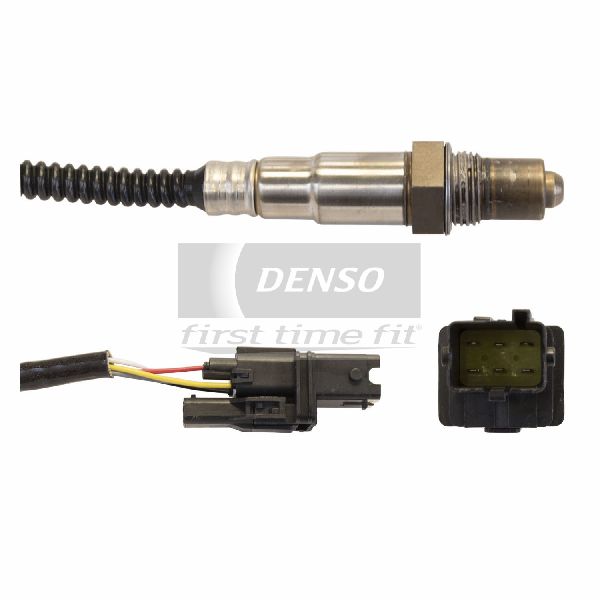
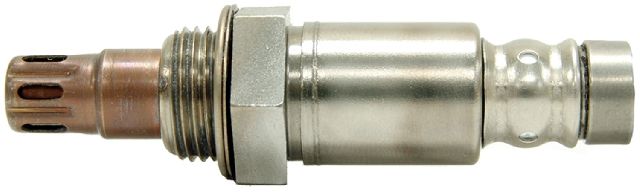
This is the Upstream, or Bank 1 Sensor 1, Air/Fuel Ratio Sensor. Aftermarket part numbers vary by exact year and model. Common Denso part numbers for this range include 234-9108, 234-9109, 234-9015, and 234-5003. Always verify the exact part number for your specific vehicle before ordering.
We Have This Part in Stock

The information in this article is provided for general reference and educational purposes only. Vehicle specifications, procedures, and part compatibility can vary by production date, trim level, and region. Always consult your vehicle's factory service manual and verify part numbers before purchasing or performing repairs. Safety-critical components such as airbags, seat belts, and braking systems should be installed by a qualified professional.
- Subaru Forester: