

A Practical Guide to New Brake Pads for the 2000-2009 Subaru Outback
Stop the guesswork and find the best new aftermarket brake pads for your Outback's daily driving or adventure needs.
- For 2005-2009 models, verify if the brake line corrosion recall (NHTSA 14V311000) has been performed, especially if you live in a salt-belt state.
- Quality aftermarket brands like Akebono, Bosch, and Centric offer reliable performance and are excellent alternatives to more expensive OEM pads.
- Always inspect your brake rotors when changing pads and plan to replace them if they are grooved, thin, or warped to ensure proper performance.
- Properly cleaning and lubricating caliper slide pins during installation is critical for preventing uneven pad wear and noise.
Signs of Worn Brake Pads
Your Outback will tell you when it's time for new brake pads. Ignoring these signs can lead to more expensive repairs. Look out for these common symptoms:
- High-Pitched Squealing: This is often the first sign. A small metal tab, called a wear indicator, makes this noise when the pads are thin.
- Grinding Noises: A loud grinding or scraping sound means the pads are completely worn out. This is metal-on-metal contact that can quickly damage your brake rotors, leading to a more costly repair.
- Soft or Spongy Brake Pedal: If the brake pedal feels softer than usual or sinks towards the floor, it could mean worn pads or a problem with the brake fluid.
- Car Pulls to One Side: When braking, if your vehicle veers left or right, it could be caused by unevenly worn pads or a sticking caliper.
- Brake Warning Light: If a brake warning light appears on your dashboard, it's a clear signal to have your brake system inspected immediately.
Vehicle-Specific Issues: Recalls and Service Bulletins
IMPORTANT RECALL for 2005-2009 Models: There is a major safety recall for certain 2005-2009 Subaru Outback models regarding brake line corrosion (NHTSA Campaign ID: 14V311000). This issue primarily affects vehicles driven in "salt-belt" states where road salt is used in winter. Saltwater can splash on the brake lines, causing them to rust and potentially leak brake fluid. A leak can increase the distance needed to stop the vehicle. Dealers will inspect the lines and either apply an anti-corrosion wax or replace the lines if a leak is found. You can check if your vehicle is affected by contacting a Subaru dealer or using the NHTSA website.
Note for 2000 Models: A Technical Service Bulletin (TSB #06-68-19R) was issued for some models, suggesting additional lubrication between the brake caliper support and pad clips to address potential noise.
Choosing the Right Aftermarket Brake Pads
Original Equipment (OEM) pads are designed specifically for your vehicle and guarantee a perfect fit. However, many aftermarket brands offer similar or even specialized performance, often at a lower price. High-quality aftermarket pads are a reliable choice, but it's best to avoid the cheapest, unbranded options which can be noisy and wear out quickly.
Brake pads for your Outback can be grouped into three main tiers:
1. Economy / Daily Driver Pads
These pads are perfect for typical commuting and daily use. They are designed to be quiet, produce low dust, and offer reliable stopping power at a great value. They are often made from ceramic materials.
- Brands: Bosch QuietCast, Centric Posi Quiet, Wagner Brakes, Raybestos.
- Best For: Owners looking for a dependable, low-cost replacement for normal driving.
2. OEM-Equivalent Pads
These pads aim to match or exceed the performance of the original factory pads. They provide a balance of quiet operation, low dust, and solid, consistent braking. Akebono is widely considered to be an original equipment manufacturer for Subaru, making their pads a very close match to stock.
- Brands: Akebono, Advics, Brembo (OE line).
- Best For: Owners who were happy with the original brakes and want that same feel and quality.
3. Performance / Heavy-Duty Pads
If you tow a trailer, live in mountainous areas, or simply want more aggressive stopping power, performance pads are a great upgrade. They can handle higher heat and provide a stronger "bite." The trade-off can sometimes be more brake dust or noise compared to OEM pads.
- Brands: Hawk Performance, EBC Brakes, Powerstop (Z23/Z26 kits).
- Best For: Enthusiastic drivers or those who put their Outback through demanding situations.
A Note on Rotors
When you replace your brake pads, it is highly recommended to also replace or resurface your brake rotors. Installing new pads on old, grooved rotors will cause the pads to wear out unevenly and quickly. If you feel a vibration or pulsation when braking, your rotors are likely warped and must be replaced.
Cost of New Aftermarket Brake Pads (2000-2009 Subaru Outback)
| Part Type | Estimated Cost (Parts Only) |
|---|---|
| New Aftermarket Brake Pad Set (Front or Rear) | $22 - $210 |
| New OEM Brake Pad Set (Front or Rear) | $90 - $150 |
| Shop Labor for Installation (Front or Rear) | $100 - $250 |
Frequently Asked Questions
Do I have to replace my rotors when I replace my pads?
It is strongly recommended. At a minimum, the rotors should be inspected for smoothness, thickness, and warping. Putting new pads on a worn or warped rotor will reduce braking performance and wear out the new pads very quickly.
What's the difference between ceramic and semi-metallic pads?
Ceramic pads are known for being quiet and producing very little dust, making them great for daily driving. Semi-metallic pads can often handle higher temperatures and may offer more bite, but can be noisier and create more dust. Subaru OEM pads are often semi-metallic.
What does "bedding in" new brakes mean?
Bedding-in is a process of several controlled stops after installation. This process transfers a thin, even layer of friction material from the new pads onto the rotors. It ensures smooth, quiet, and powerful braking for the life of the pads. Most manufacturers provide specific instructions for this procedure.
Do I need special tools to change my own brake pads?
Replacing brake pads on a 2000-2009 Outback is a common DIY job. You will need basic hand tools like a socket set, a lug wrench, a jack and jack stands, and a C-clamp or piston compression tool to push the caliper piston back in. Always prioritize safety by using jack stands.
Technical Specifications
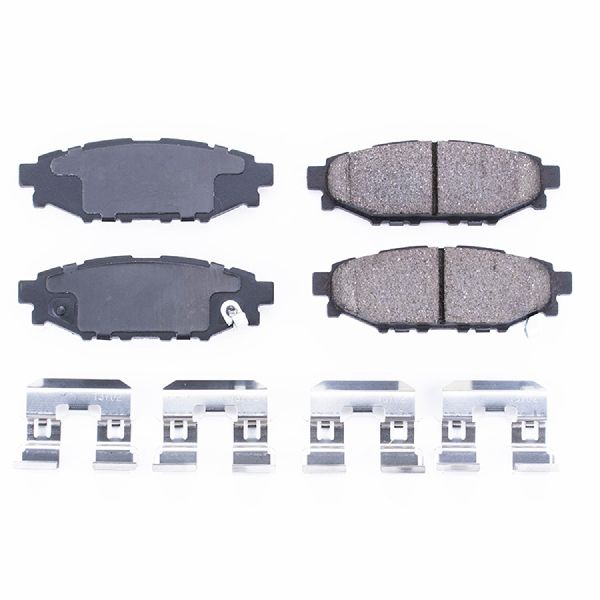
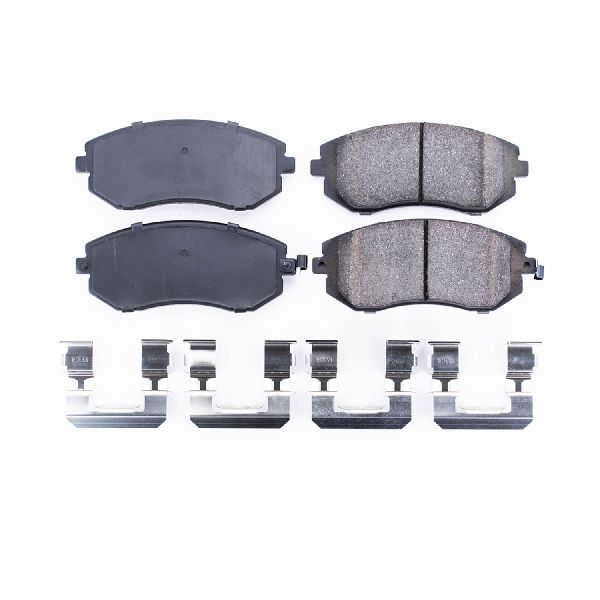
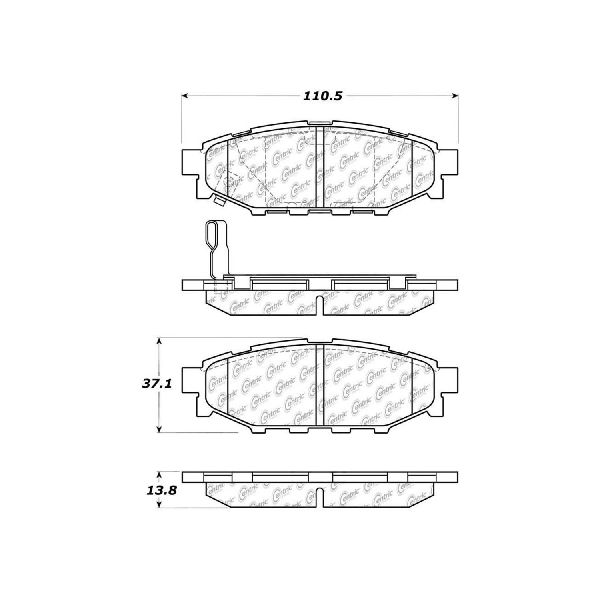
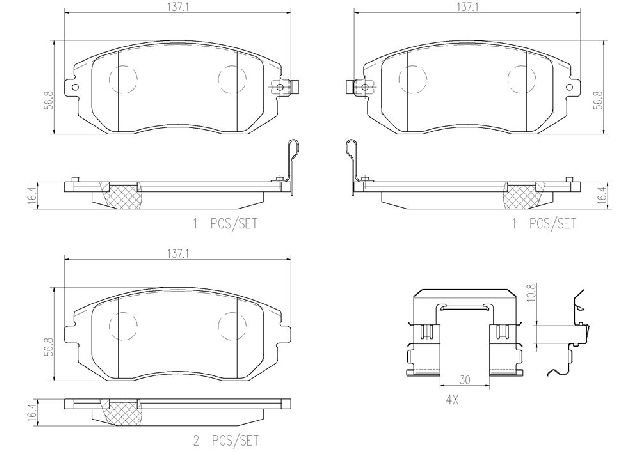
Brake pad materials for this vehicle are typically ceramic or semi-metallic. The choice depends on driver preference for low dust (ceramic) versus potential bite (semi-metallic). Always verify front or rear fitment before purchasing.
We Have This Part in Stock
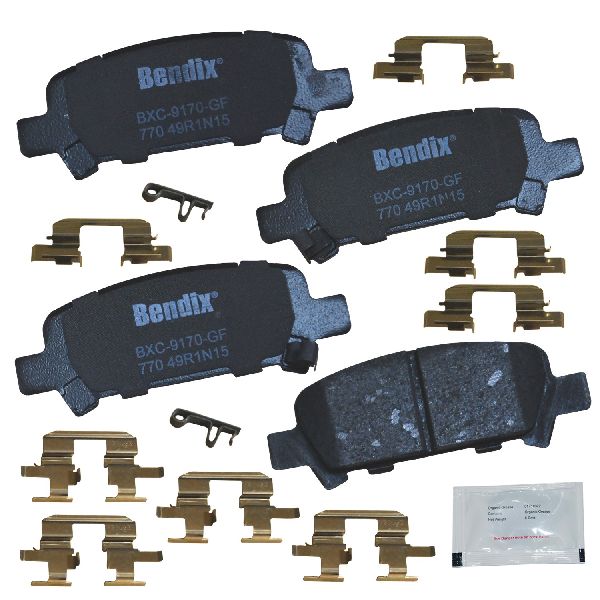
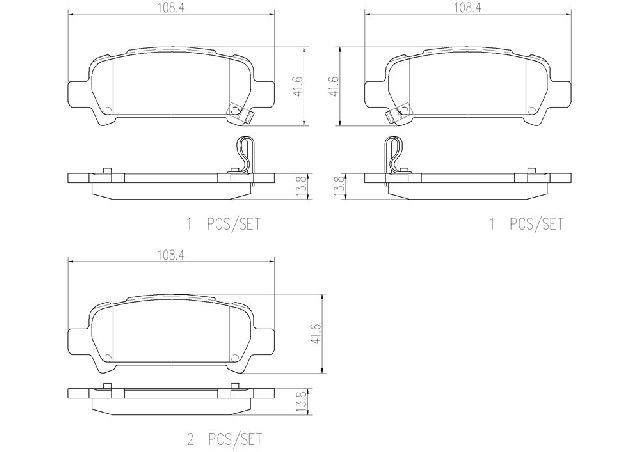

The information in this article is provided for general reference and educational purposes only. Vehicle specifications, procedures, and part compatibility can vary by production date, trim level, and region. Always consult your vehicle's factory service manual and verify part numbers before purchasing or performing repairs. Safety-critical components such as airbags, seat belts, and braking systems should be installed by a qualified professional.
- Subaru Outback:
- 🛍️ Shop This Part
- Signs of Worn Brake Pads
- Vehicle-Specific Issues: Recalls and Service Bulletins
- Choosing the Right Aftermarket Brake Pads
- 1. Economy / Daily Driver Pads
- 2. OEM-Equivalent Pads
- 3. Performance / Heavy-Duty Pads
- A Note on Rotors
- Cost of New Aftermarket Brake Pads (2000-2009 Subaru Outback)
- Frequently Asked Questions
- 🎟️ Get 5% Off