

Volkswagen Golf Engine Camshaft Adjuster Solenoid (VVT) Guide (2000-2009)
Experiencing rough idle or poor performance in your Mk4 or Mk5 Golf? Your VVT solenoid might be the culprit.
- First, check your oil. Low or dirty oil is a primary cause of VVT solenoid issues and codes like P0011/P0016.
- This part is called a 'camshaft adjuster solenoid' on many VWs, but it's the same as a VVT solenoid.
- Symptoms include a check engine light, rough idle, power loss, and engine rattling.
- Replacement is a manageable DIY job for many, typically located on top of the engine and held by a few bolts.
Understanding the VVT Solenoid in Your Golf

The 2000-2009 Volkswagen Golf spans two different generations, the Mk4 and Mk5, which used a variety of engines. Not all engines from this era have Variable Valve Timing. This part is typically found on the 1.8T (later models), VR6 (R32), 2.0T FSI, and 2.5L engines. It is not present on the early 2.0L 8v or TDI diesel engines. The solenoid's job is to manage oil pressure to adjust camshaft timing, which is why it's also known as a camshaft adjuster solenoid in the VW world. When it works correctly, your engine runs smoothly and efficiently. When it fails, you'll notice problems.
The Importance of Clean Oil
The VVT system is highly dependent on clean engine oil and proper oil pressure. Dirty, old, or low-quality oil can clog the small passages in the solenoid, causing it to stick or fail. This is a common cause of VVT-related fault codes like P0011 and P0016. Sometimes, simply changing the oil and filter can resolve symptoms or codes before you replace any parts.
Choosing the Right Aftermarket VVT Solenoid


When replacing a VVT solenoid, you have options ranging from OEM (Original Equipment Manufacturer) to various aftermarket brands. For a vehicle like the 2000-2009 Golf, a quality aftermarket part can offer a good balance of price and performance.
- Premium Aftermarket (e.g., Beck Arnley, Standard Ignition): These brands often aim to meet or exceed OE specifications for fit and function. They use quality materials designed for under-hood conditions and are a reliable choice for owners looking for longevity without the higher cost of an OEM part.
- Standard Aftermarket (e.g., Dorman): Dorman offers a widely available and affordable option. However, experiences can be mixed; while some find them to be a perfect fit, others report lower quality compared to OEM and suggest they may not last as long. They can be a good budget-friendly choice, but be aware of the potential for a shorter lifespan. 🎬 Watch a comparison between OEM and aftermarket VVT solenoids.
- Other Brands (Gates, Global Parts, Rostra, Spectra): These brands also provide options within the aftermarket space. Quality can vary, so it's wise to look for warranties and reviews specific to your Golf's engine.
Pro Tip: Check the Connector
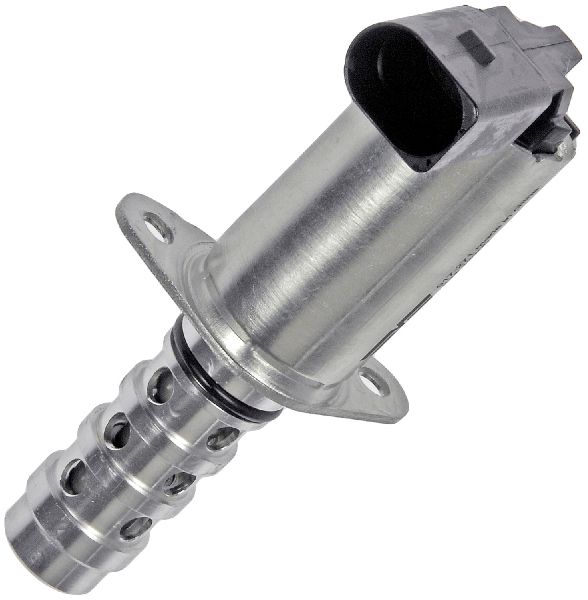
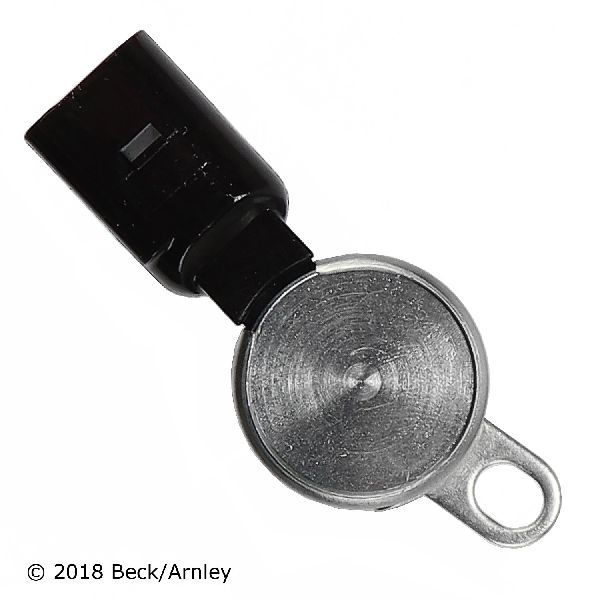
For some VR6 models, camshaft adjuster solenoids were made with different electrical connector styles (notched vs. un-notched). Always compare the new part to your old one before installation to ensure it's an exact match, preventing installation headaches.
Cost of Replacing a VVT Solenoid
| Part/Service | Estimated Cost |
|---|---|
| New Aftermarket VVT Solenoid | $79 - $417 |
| New OEM VVT Solenoid | $240 - $407 |
| Shop Labor | $78 - $170 |
| Total Professional Replacement | $253 - $521+ |
Frequently Asked Questions (FAQ)

Can I replace the VVT solenoid myself?
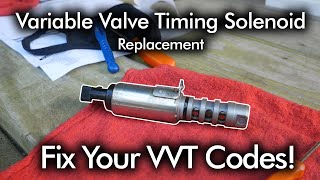
Yes, this is often a DIY-friendly job. The solenoid is usually located on the top of the engine near the valve cover and is held in by one or a few bolts. The basic steps involve disconnecting the battery, unplugging the electrical connector, removing the bolts, and swapping the old solenoid for the new one. 🎬 See how to replace your cam adjuster solenoid and fix codes. Be careful not to drop the small bolts into the engine bay.
Will a bad VVT solenoid cause serious engine damage?
While a failing solenoid itself won't immediately destroy your engine, ignoring the symptoms can lead to bigger problems. Poor timing can cause issues like a stretched timing chain or increased wear on other components, which are much more expensive to fix. It's best to address the issue promptly.
Why did the check engine light come on with code P0011 or P0016?
Codes like P0011 (Camshaft Position Timing Over-Advanced) and P0016 (Crankshaft/Camshaft Correlation) are very common for VVT solenoid issues. These codes mean the engine's computer has detected that the camshaft is not in the position it should be. This can be caused by a stuck solenoid, low/dirty oil, or even a failing timing chain.
What's the difference between a VVT solenoid and a camshaft position sensor?
They work together but have different jobs. The camshaft position sensor tells the engine's computer where the camshaft is. The computer then signals the VVT solenoid to adjust the camshaft's position by controlling oil flow. A P0016 code can be caused by a failure in either part, or the timing chain itself.
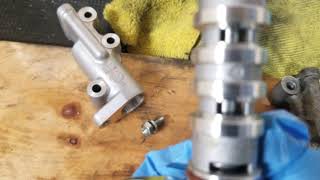
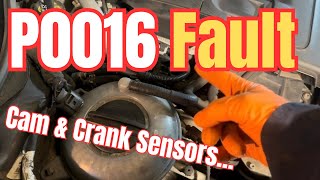
🎬 Learn how to diagnose P0016 faults and change your sensors.Helpful Videos
Technical Specifications
OEM Part Numbers: 06H109257A 06L109259D 066906455H 066906455F
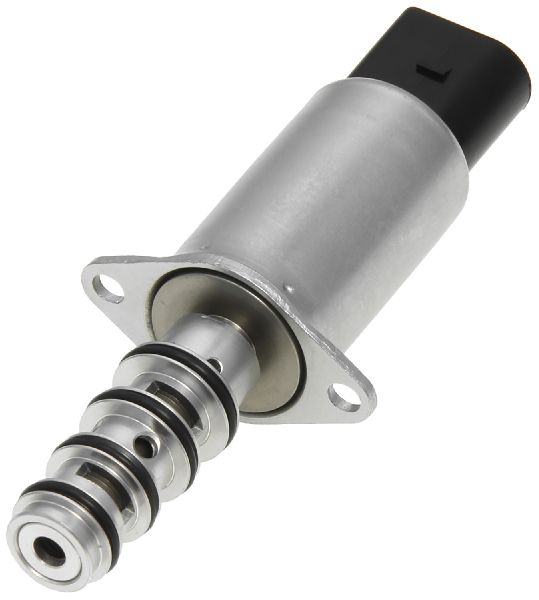
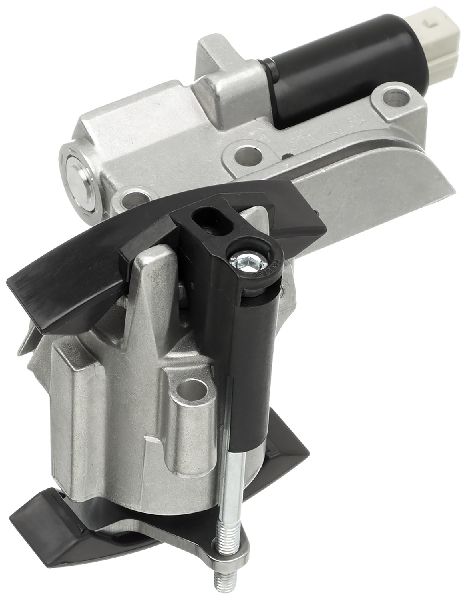
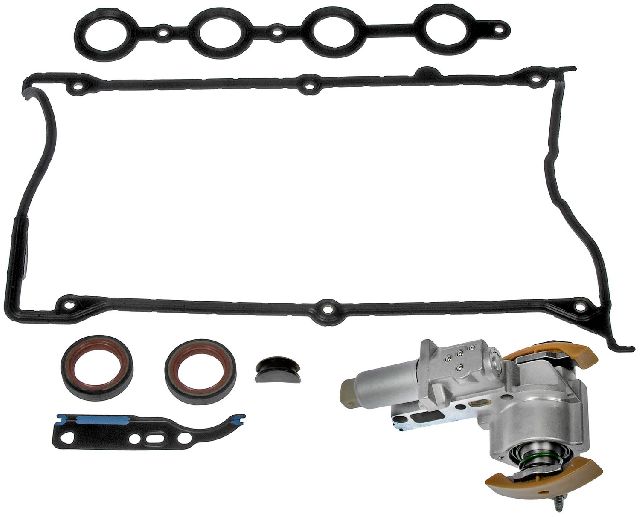
An electronically controlled solenoid valve that directs engine oil pressure to the camshaft phaser(s). It typically has a 2-pin electrical connector and is sealed to the engine with one or more O-rings. It is a critical component for the variable valve timing system found in engines such as the 1.8T, 2.0T FSI, 2.5L, and VR6 used in the 2000-2009 Golf.
We Have This Part in Stock


The information in this article is provided for general reference and educational purposes only. Vehicle specifications, procedures, and part compatibility can vary by production date, trim level, and region. Always consult your vehicle's factory service manual and verify part numbers before purchasing or performing repairs. Safety-critical components such as airbags, seat belts, and braking systems should be installed by a qualified professional.
- Volkswagen Golf: