

A Guide to Replacing Engine Valve Stem Seals on the 2000-2010 Audi TT
Seeing a puff of blue smoke when you start your TT? Your valve stem seals are the likely cause.
- A puff of blue smoke on startup is the classic symptom of failing valve stem seals.
- This is a labor-intensive repair; the parts are inexpensive, but the labor cost is high.
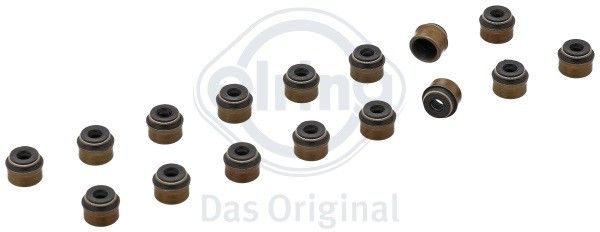
- Aftermarket brands like Elring and Victor Reinz are OEM-quality and are excellent, cost-effective choices for this repair.
- Ignoring the issue can lead to high oil consumption and expensive damage to the catalytic converter.
Is Your Audi TT Burning Oil? Signs of Failing Valve Stem Seals
The most common and obvious sign of worn valve stem seals is a distinct puff of blue-gray smoke from the exhaust pipe when you first start the engine, especially after it has been parked overnight. This happens because oil slowly seeps past the hardened seals while the engine is off and pools in the cylinder or exhaust port. When you start the car, this pooled oil burns off, creating the smoke. The smoke usually disappears after a few moments of running.
Other symptoms include:
- Increased Oil Consumption: You may find yourself needing to top off your engine oil more frequently than usual without seeing any visible leaks on the ground.
- Fouled Spark Plugs: Oil entering the combustion chamber can leave carbon deposits on your spark plugs, leading to misfires or rough idling.
- Catalytic Converter Damage: Over a long period, burning oil can contaminate and eventually clog the catalytic converter, which is an expensive repair.
Don't Confuse with Turbo Failure
Blue smoke can also be a sign of a failing turbocharger, which is another common issue on the 1.8T engine. However, smoke from a bad turbo is often more consistent and may get worse during acceleration, while valve stem seal smoke is most prominent at startup.
Choosing the Right Aftermarket Valve Stem Seals
For a critical internal engine part like this, quality is paramount. Fortunately, the aftermarket offers excellent options that are often the same as the original factory parts. For the 2000-2010 Audi TT, two brands stand out:
- Elring: A well-respected German manufacturer that is an Original Equipment (OE) supplier to Audi and many other European carmakers. Choosing Elring is essentially like buying the genuine part without the dealership packaging and price.
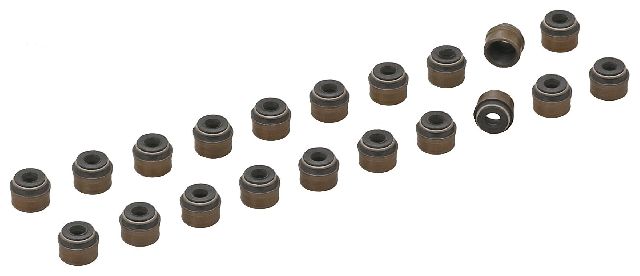
- Victor Gaskets (Victor Reinz): Similar to Elring, Victor Reinz is a major OE supplier known for high-quality gaskets and seals. Their valve stem seals are trusted by mechanics and are considered equivalent in quality to genuine Audi parts.
Pro Tip: Since both Elring and Victor Reinz are OEM-quality suppliers, you can confidently choose either brand based on price and availability. There is no significant quality difference between them for this application.
Known Issues and Technical Bulletins
There are no active recalls from the NHTSA for engine valve stem seals on the 2000-2010 Audi TT. However, Volkswagen/Audi has issued a technical tip (15-24-01) that is relevant to this repair. It states that when replacing the seals, it is crucial to make sure no small pieces of the old, hardened seal are left behind on the valve guide. Any remaining debris can prevent the new seal from seating correctly, leading to a repeat failure.
| Part or Service | Estimated Cost |
|---|---|
| New Aftermarket Seal Set (Elring, Victor Gaskets) | $18.98 - $44.52 |
| New OEM Seal Set (Dealer) | $50 - $120 |
| Shop Labor | $900 - $2,000+ |
| Total Estimated Cost | $920 - $2,050+ |
Frequently Asked Questions
Can I replace the valve stem seals myself?
This is not recommended for a DIY mechanic. The job is complex and labor-intensive, requiring either the complete removal of the cylinder head or special spring compressor tools to perform the job with the head in place. Mistakes can lead to serious engine damage. This repair is best left to an experienced professional mechanic.
What happens if I don't replace them?
Your engine will continue to consume an increasing amount of oil. This can lead to running the engine low on oil, which risks catastrophic failure. In the long term, the burnt oil will damage your oxygen sensors and catalytic converter, leading to failed emissions tests and much more expensive repairs.
How many seals do I need for my Audi TT?
The popular 1.8T engine is a 20-valve design (5 valves per cylinder), so you will need a kit with 20 seals. The 3.2L VR6 engine has 24 valves and will require 24 seals. Always confirm the exact quantity needed for your specific engine code before ordering.
Is there anything else I should replace at the same time?
Since this is a labor-intensive job, it is wise to replace other parts at the same time. This includes the valve cover gasket, camshaft seals, and potentially the timing belt or chain tensioner if they are due for service. This is often called 'while you're in there' maintenance and can save you a lot of money on future labor costs.
Technical Specifications
OEM Part Numbers: 036109675A
Material: FPM (fluoride rubber). Valve Stem Diameter: 6mm. Quantity (1.8T): 20. Quantity (3.2L): 24.
We Have This Part in Stock


The information in this article is provided for general reference and educational purposes only. Vehicle specifications, procedures, and part compatibility can vary by production date, trim level, and region. Always consult your vehicle's factory service manual and verify part numbers before purchasing or performing repairs. Safety-critical components such as airbags, seat belts, and braking systems should be installed by a qualified professional.
- Audi TT: