

Audi TT Quattro (2000-2010) Engine Oil Pressure Switch: A Complete Guide
Seeing the red oil light on your Audi TT Quattro? It might be this small but crucial sensor.
- A red oil pressure light is a critical warning; stop the engine immediately to avoid damage.
- A faulty switch is a common, inexpensive cause for the oil light, with symptoms like flickering or leaks from the sensor.
- For the 1.8T engine, replacement is a manageable DIY task, but the 3.2L V6 is significantly more complex.
- High-quality aftermarket brands like Hella, Vemo, and Beck Arnley are reliable alternatives to OEM parts for this sensor.
Understanding the Red Oil Light
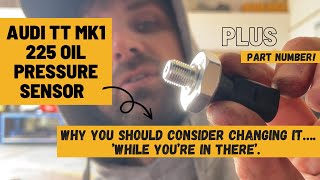
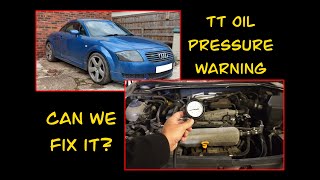
When the red oil pressure light illuminates on your dashboard, often with three beeps, it's your car's most serious warning. It means one of two things: either the oil pressure is critically low, or the sensor that detects the pressure has failed. You cannot know which it is without further diagnosis. 🎬 Watch: How to test your actual oil pressure before replacing parts. For this reason, the only safe response is to pull over as quickly and safely as possible and shut off the engine. Continuing to drive could lead to catastrophic engine failure if the problem is genuine low oil pressure.
Stop Driving Immediately
A flashing or solid red oil pressure light is a command to stop the engine. Do not try to make it home. Do not rev the engine to see if the light goes out. Towing the vehicle to a safe location for diagnosis is the only way to prevent potentially turning a small sensor issue into a need for a new engine.
Symptoms of a Failing Oil Pressure Switch
A faulty oil pressure switch can cause a lot of stress, but it's often a simple and inexpensive fix. Here are the common signs that the switch itself is the problem:
- Flashing or Intermittent Oil Light: The warning light may flicker or come on randomly, especially at idle, during turns, or under acceleration. This can happen when the sensor is on the verge of failing.
- Oil Light Stays On: If the oil level is correct and the engine sounds normal (no ticking or knocking), the switch may be faulty and constantly sending a low-pressure signal.
- Visible Oil Leak from the Sensor: The switch itself can fail internally and leak oil. You might see oil on the sensor body or its electrical connector. This is a clear sign the sensor needs replacement.
- Incorrect Gauge Reading: If your TT has an oil pressure gauge, a bad sensor can cause it to read zero, max out, or behave erratically.
Choosing the Right Aftermarket Switch
For a simple sensor like an oil pressure switch, aftermarket parts offer excellent value. OEM parts are not strictly necessary unless you prefer to use only factory components. Many aftermarket brands provide reliable quality, sometimes from the same manufacturers that supply Audi. The key is to choose a reputable brand.
Based on your vehicle's needs and your budget, you can think of brands in tiers:
- Good (Economy): Brands like Global Parts or Walker Products offer a functional, budget-friendly replacement. They are a good choice if cost is the primary concern.
- Better (Standard): Brands such as Standard Ignition (SMP), CRP, and Facet provide a solid balance of quality and price. They are reliable options for daily driving.
- Best (Premium): Brands like Hella, Vemo, and e>Beck Arnley are often considered OEM-equivalent or better. Hella and Vemo are well-regarded German brands that specialize in European vehicle electronics. Beck Arnley often sources parts from the original equipment manufacturers. These are the top choice for longevity and peace of mind.
Check the Connector and Specs
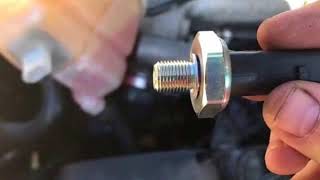
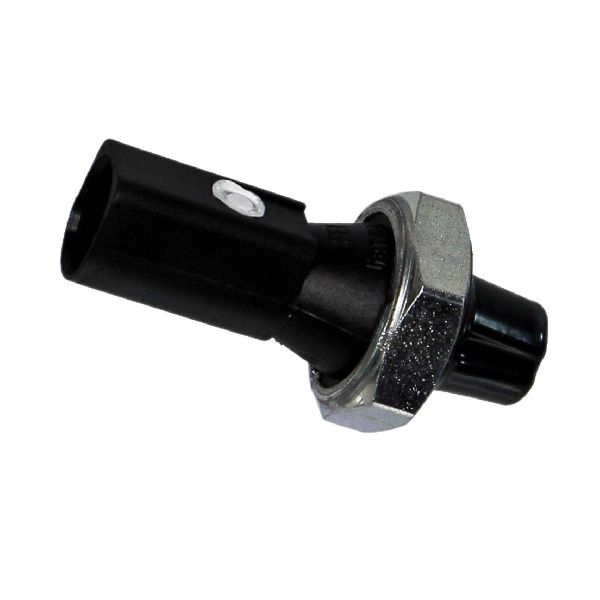
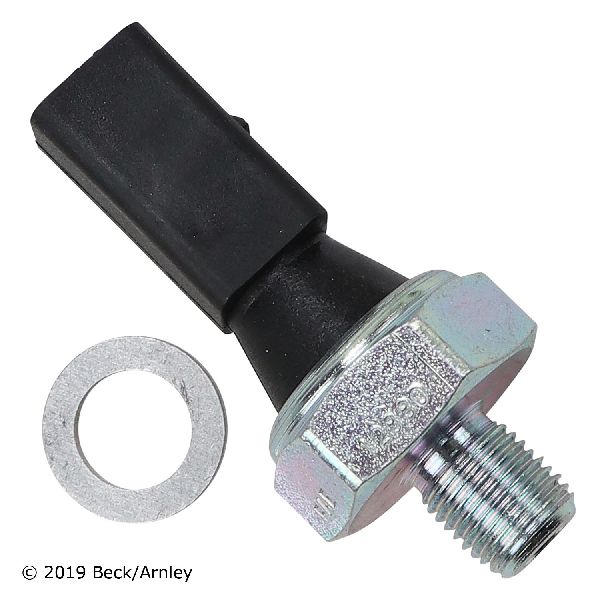
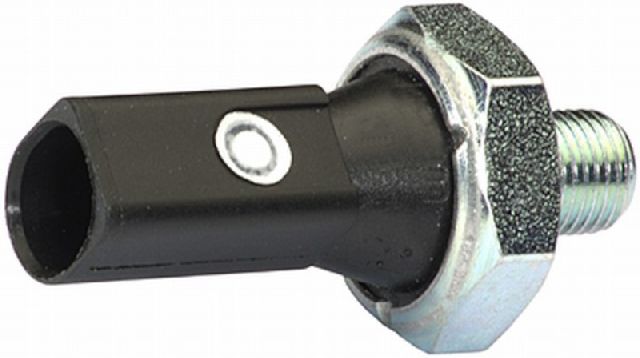
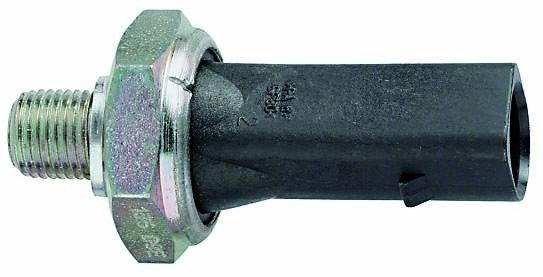
Before ordering, it's wise to visually inspect your old sensor if possible. Note the color of the plastic connector (e.g., black, brown, blue) and the number of electrical pins. Some models may have different switches depending on the specific engine (1.8T vs. 3.2L V6) or production date. Matching these details ensures you get the correct part the first time.
| Part Type | Estimated Cost |
|---|---|
| New Aftermarket | $7.98 - $61.53 |
| New OEM | $50 - $90 |
| Shop Labor | $57 - $140 |
Frequently Asked Questions (FAQ)
Is it hard to replace the oil pressure switch on an Audi TT?
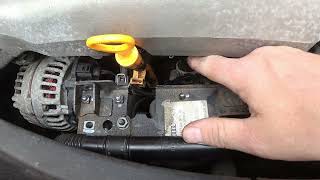
The difficulty varies by engine. On the 1.8T engine, the switch is located on the oil filter housing and can be accessed from above or below the car, though access is tight. It requires a 24mm deep socket. 🎬 See this step-by-step replacement walkthrough for the 1.8T engine. On the 3.2L V6, the job is much more difficult, requiring removal of the power steering pump and secondary air pump to gain access. For the 1.8T, it's a feasible DIY job for those with some experience, but the 3.2L may be best left to a professional.
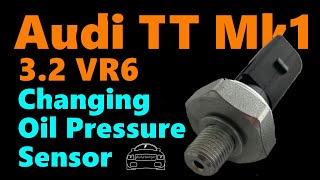
🎬 Watch: A guide to the difficult 3.2L V6 sensor replacement.Are there any recalls for the oil pressure switch on the 2000-2010 Audi TT?
No specific recalls were found for the oil pressure switch itself on the 2000-2010 Audi TT Quattro. However, some Technical Service Bulletins (TSBs) for later models mention the oil pressure warning light in relation to other issues, like a faulty rubber plug in the oil filter housing (TSB 2041093/4 for DTC P164D00). Always rule out a simple sensor failure first.
What's the difference between an oil pressure switch and a sender?
They are often the same part, and the terms are used interchangeably. A "switch" simply turns the warning light on or off at a preset pressure. A "sender" or "sensor" provides a variable reading to an oil pressure gauge. Your Audi TT uses a switch to trigger the dashboard warning light.
Can a bad oil pressure switch cause a Check Engine Light?
Yes, a faulty oil pressure sensor can trigger the Check Engine Light. The engine's computer (ECU) expects to see a certain voltage from the sensor. If the readings are outside the expected range, it can log a Diagnostic Trouble Code (DTC), such as P0520 through P0524, and turn on the Check Engine Light.
Helpful Videos
Technical Specifications
OEM Part Numbers: 06A919081J 06D919081B
Location: On the oil filter housing. Required Tool: 24mm deep socket. Common Thread Size: M10x1.0. Common Pressure Range: 1.2 - 1.6 BAR.
We Have This Part in Stock


The information in this article is provided for general reference and educational purposes only. Vehicle specifications, procedures, and part compatibility can vary by production date, trim level, and region. Always consult your vehicle's factory service manual and verify part numbers before purchasing or performing repairs. Safety-critical components such as airbags, seat belts, and braking systems should be installed by a qualified professional.
- Audi TT Quattro: