

BMW X5 (2000-2010) Disc Brake Pad Wear Sensor: A Complete Guide
Understand the brake pad wear sensor on your E53 or E70 BMW X5 and learn how to choose the right replacement part.
- The sensor is a one-time-use part and must be replaced with your brake pads to extinguish the dashboard warning light.
- Your X5 uses two different sensors: one for the front axle and one for the rear. They are not interchangeable.
- Aftermarket sensors from OEM suppliers like Pagid or Brembo offer the best quality and reliability outside of the dealer.
- If the brake light won't reset after replacement, the cause is likely a faulty sensor or the need for a diagnostic tool to clear the service interval.
Understanding the Brake Wear Sensor on Your X5
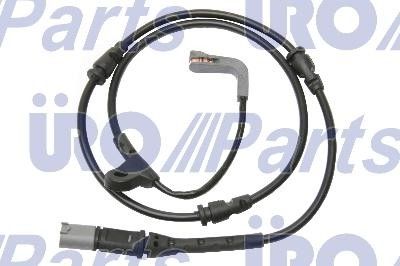
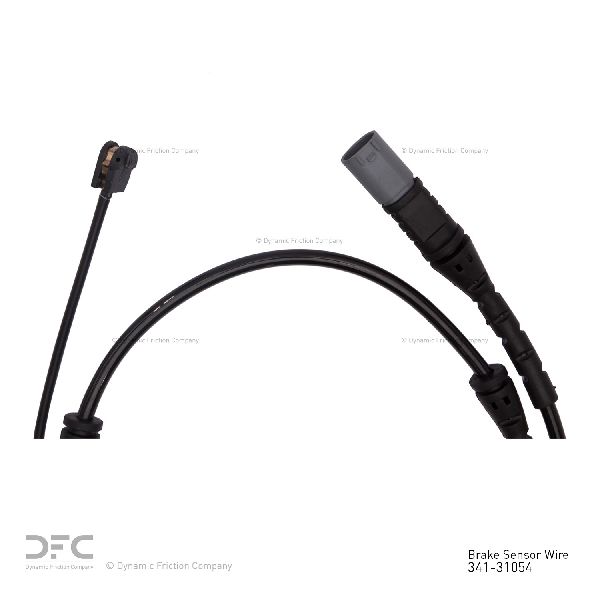
The brake pad wear sensor on the 2000-2010 BMW X5 is a simple but essential part of the braking system. Your X5 has two of these sensors: one for the front axle (typically on the driver's side) and one for the rear axle (typically on the passenger's side). This means only one pad on each axle is monitored, which is why visual brake inspections are still important. When the brake pad wears to its minimum thickness, the sensor head is destroyed by the rotor, breaking a circuit and illuminating the brake warning light on your dash. It is a one-time-use part; once it's triggered, it must be replaced to turn off the warning light.
Why is My Brake Light Still On After Changing Pads?
This is the most common issue owners face. If you replaced your brake pads but the warning light won't go away, it's almost always for one of these reasons:
- The Old Sensor Wasn't Replaced: The sensor is a single-use item. If the light was on, the sensor was destroyed and must be replaced with a new one.
- The Service Light Wasn't Reset: After replacing the pads and sensor, the vehicle's computer (Condition Based Service, or CBS) must be reset. This can often be done through a sequence using the instrument cluster buttons, but sometimes requires a diagnostic tool.
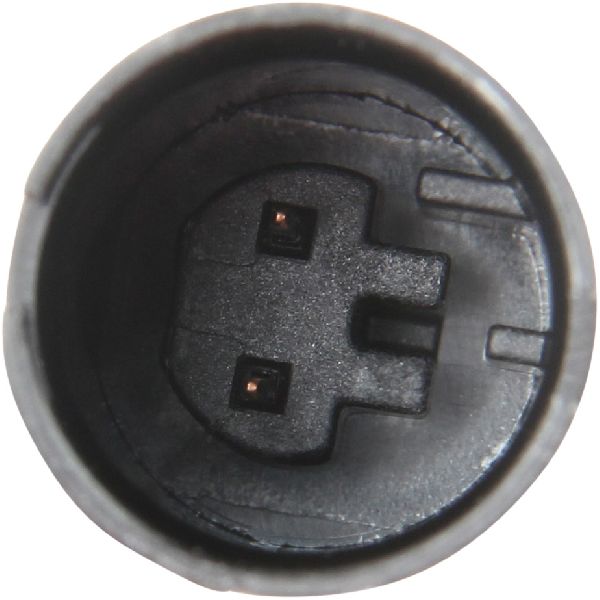
- A Faulty Aftermarket Sensor: Low-quality aftermarket sensors can have poorly made connector pins or incorrect resistance, preventing the system from resetting even when new.
Choosing the Right Aftermarket Sensor
For a part like a wear sensor, you don't necessarily need to buy from the dealer. Many high-quality aftermarket brands provide reliable parts that meet or exceed OEM specifications. However, quality can vary, so it's important to choose wisely.
Brand Quality Tiers
- Premium Aftermarket / OEM Supplier: Brands like Pagid, Brembo, ATE, and Textar are often the original equipment manufacturers for BMW. Choosing a sensor from one of these brands is the closest you can get to dealer quality without the dealer price tag. They are highly recommended for fit and function.
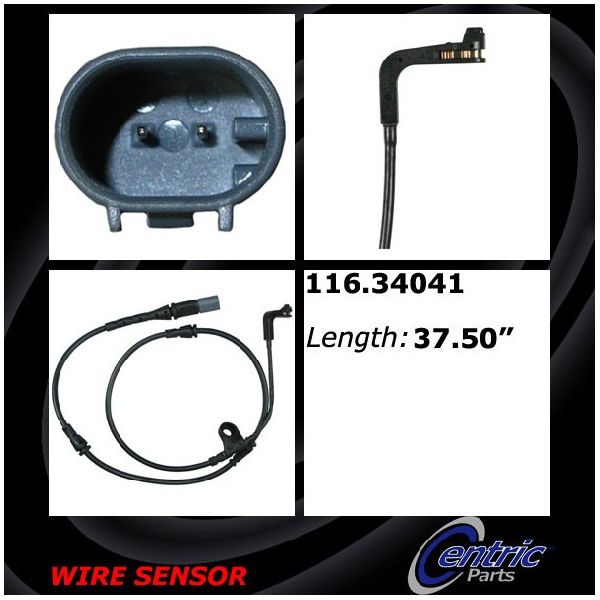
- Trusted Aftermarket: Brands like Beck Arnley, Centric, Powerstop, and Standard Ignition (SMP) have a solid reputation for quality. They engineer their parts to fit and function correctly and are a reliable choice for most owners.
- Budget-Friendly: Brands like URO Parts, Dorman, and other value-oriented lines offer the lowest price. While they can be a good value, some forum users have reported issues with the connector pins on URO sensors being brittle or misaligned, leading to installation problems or failure to reset the light. While many use these without issue, there is a slightly higher risk of receiving a faulty part compared to premium brands.
Pro Tip: Always replace your wear sensors when you replace your brake pads, even if the warning light isn't on. The plastic becomes brittle from heat cycles and can easily break during a brake job, forcing you to make another parts run.
Cost of Replacing Brake Pad Wear Sensors
| Part Type | Typical Cost (Per Sensor) | Notes |
|---|---|---|
| New OEM | $25 - $50 | Purchased from a BMW dealership. |
| New Aftermarket | $11 - $54 | Price varies by brand quality. Premium brands are typically $20-$35. |
| Shop Labor | $0 (with brake job) | Replacement is part of a standard brake pad replacement and should not add extra labor cost. If replaced separately, expect ~0.5 hours of labor. |
Frequently Asked Questions
Do I need one sensor for the front and one for the rear?
Yes. The 2000-2010 BMW X5 uses one sensor on the front axle and one on the rear axle. They are different parts and are not interchangeable. Typically, the front sensor is on the left (driver's) side and the rear is on the right (passenger's) side.
Can I reuse my old brake pad wear sensor?
No. If the brake warning light was on, the sensor has been physically worn down and is destroyed. Even if the light was not on, the sensor's plastic housing becomes brittle from thousands of heat cycles and will likely break when you try to remove it from the old brake pad. It is considered a single-use part and should always be replaced with the pads.
Why won't my brake service light reset?
If you've installed a new sensor and the light won't reset using the dashboard method, you may have a faulty sensor, or the system may need to be reset with a diagnostic tool. Some cheaper aftermarket sensors have poor pin connections that prevent the reset. In some cases on E70 models, the system requires a diagnostic tool like ISTA to perform the reset if it detects a fault.
Are there any recalls for the brake pad wear sensor?
No, there are no specific recalls for the brake pad wear sensor itself, as it is a normal wear-and-tear item. There have been broader recalls for the integrated brake systems on newer model X5s (2023-2024), but these do not apply to the 2000-2010 model years and are unrelated to the wear sensor.
Technical Specifications
OEM Part Numbers: 34351165579 (Front E53) 34351165580 (Rear E53) 34356792567 (Front E70) 34356792569 (Rear E70)
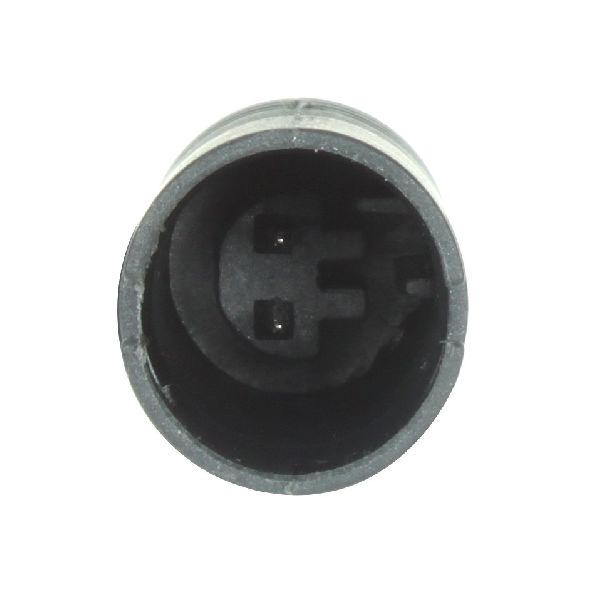
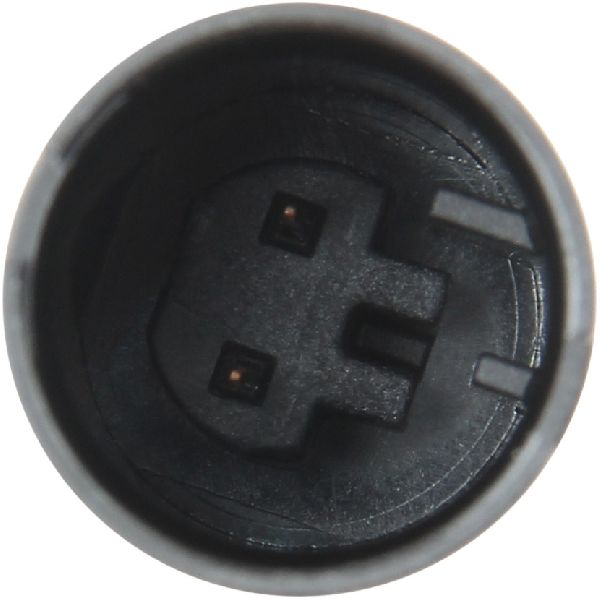
Two-wire, single-use electrical contact sensor. One sensor located on the front-left brake pad and one on the rear-right brake pad.
We Have This Part in Stock

The information in this article is provided for general reference and educational purposes only. Vehicle specifications, procedures, and part compatibility can vary by production date, trim level, and region. Always consult your vehicle's factory service manual and verify part numbers before purchasing or performing repairs. Safety-critical components such as airbags, seat belts, and braking systems should be installed by a qualified professional.
- BMW X5: