

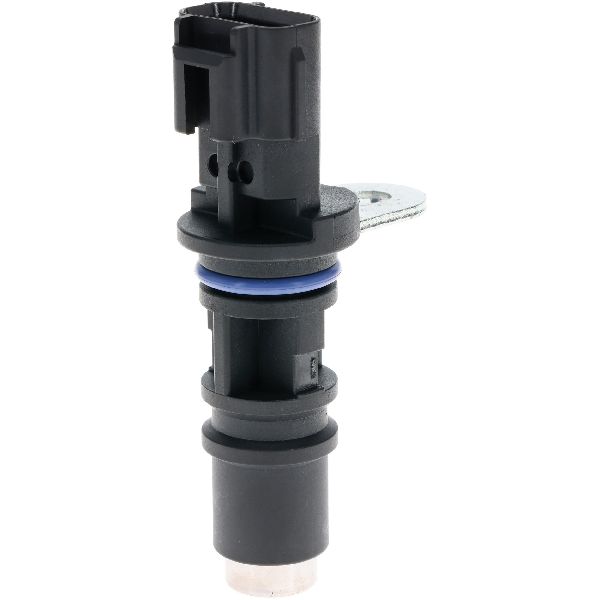
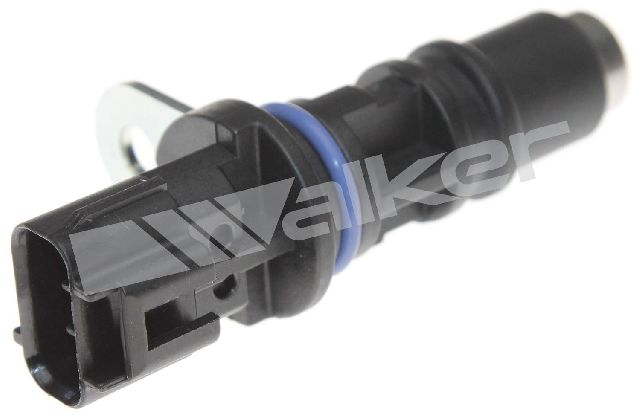
Engine Camshaft Position Sensor: 2000-2010 Dodge Durango
Fix stalling, no-start, and poor engine performance in your Durango by understanding and choosing the right camshaft sensor.
- Symptoms of a bad cam sensor include stalling, no-start, rough idle, and a Check Engine Light with codes P0340 or P0344.
- Many Durango owners and mechanics recommend using OEM Mopar sensors to avoid compatibility issues common with cheaper aftermarket parts.
- The sensor location varies by engine: passenger-side head on the 4.7L, inside the distributor on the 5.2L/5.9L, and on the front timing cover for the 3.7L/5.7L.
- Replacement is a simple DIY job for most, requiring basic tools and access to the front of the engine.
Is Your Durango Stalling or Hard to Start? It Could Be the Camshaft Sensor.
If your 2000-2010 Dodge Durango is suddenly running rough, stalling, or won't start at all, a faulty engine camshaft position sensor is a likely culprit. This small electronic part plays a huge role in how your engine runs, and when it fails, it can cause significant and frustrating problems. This guide will walk you through the symptoms, help you choose the right replacement part, and explain what's involved in the repair.
Symptoms of a Bad Camshaft Position Sensor
A failing camshaft sensor can mimic other engine problems, but it typically triggers a Check Engine Light and specific trouble codes. Common symptoms include:
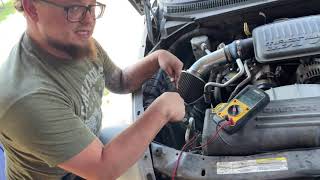
- Check Engine Light: This is often the first sign. Codes like P0340, P0344, or P1391 point directly 🎬 Watch: How to test and fix P0340/P0344 codes to the camshaft position sensor circuit.
- Engine Stalling: The engine may stall unexpectedly while driving or when coming to a stop.
- Hard Starting or No Start: The engine may crank for a long time before starting, or it may not start at all.
- Rough Idle and Misfiring: The engine may run poorly, shake at idle, or you might feel it misfiring.
- Poor Acceleration: You may notice a significant loss of power and hesitation when you press the gas pedal.
Don't Ignore the Signs
While you might be able to drive with a failing sensor, symptoms like stalling can be a serious safety risk, especially in traffic. It's best to address the issue as soon as possible to avoid getting stranded.
OEM vs. Aftermarket: What's Best for Your Durango?
When it comes to electronic sensors on Dodge vehicles, there's a lot of debate. Many professional mechanics and long-time owners strongly recommend using genuine Mopar (OEM) sensors. Forum discussions often feature stories of owners who tried multiple cheaper aftermarket sensors that failed quickly or didn't work at all, only to solve the problem with a Mopar part. That said, not all aftermarket brands are created equal.
- Premium Aftermarket (e.g., Delphi, NGK/NTK, Standard Motor Products): These brands are often OEM suppliers and have a reputation for quality that is close to, or sometimes exceeds, the original part. They are a solid choice if you want to save a little money without sacrificing reliability.
- Standard Aftermarket (e.g., Dorman, Spectra, Holstein): These parts offer a balance of affordability and function. They are a popular choice for DIY repairs, but their long-term reliability can sometimes be inconsistent compared to premium or OEM options.
- Budget Brands: The lowest-priced options can be tempting, but they carry the highest risk of being dead-on-arrival or failing prematurely. For a critical sensor like this, it's often worth spending a little more to avoid doing the job twice.
Pro Tip: Consider Replacing the Crankshaft Sensor Too
The camshaft and crankshaft position sensors work together. If one is failing, the other may not be far behind. Many mechanics recommend replacing them in pairs, especially on higher-mileage Durangos, to ensure the engine's timing signals are perfectly synchronized.
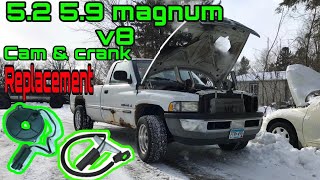
🎬 See this walkthrough for replacing both cam and crank sensorsWhere is the Camshaft Sensor Located?
The sensor's location depends on your Durango's engine:
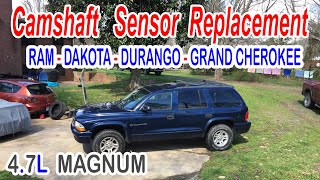
- 4.7L V8 (2000-2007): Located on the front of the passenger-side cylinder head. Access is often easiest by removing the air filter box or going through the passenger-side wheel well.
- 5.2L & 5.9L V8 (2000-2003): This sensor is located inside the distributor. You'll need to remove the distributor cap and rotor to access it.
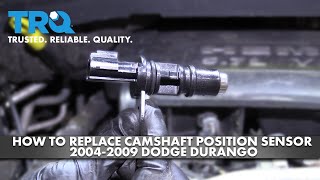
- 3.7L V6 & 5.7L HEMI V8 (2004-2009): Found on the front of the engine, on the timing cover, typically just below the alternator. 🎬 Watch: Step-by-step replacement for 2004-2009 Durango models
Estimated Replacement Costs
| Part Type | Cost |
|---|---|
| New Aftermarket Sensor | $19.61 - $138.94 |
| New OEM (Mopar) Sensor | $50 - $150 |
| Shop Labor | $100 - $200 |
| Total Professional Replacement | $150 - $350 |
Costs are estimates and can vary by location and specific vehicle configuration.
Frequently Asked Questions
Can I replace the camshaft sensor myself?
Yes, this is a very DIY-friendly repair for most home mechanics. It typically involves removing the air intake box for access, unplugging the electrical connector, and removing a single bolt (usually 10mm). The most important steps are to disconnect the battery first and to be gentle when removing the old sensor, as it can become brittle and break off in the engine block.
Why did my check engine light stay on after replacing the sensor?
There are a few reasons this can happen. First, the trouble code needs to be cleared from the computer with a scan tool or by disconnecting the battery for about 30 minutes. Second, the problem might not be the sensor itself, but the wiring or connector going to it. Finally, if you used a low-quality aftermarket sensor, it may be faulty out of the box.
Are there any recalls for the camshaft sensor on the 2000-2010 Durango?
Searches of the NHTSA database did not show any specific recalls for the camshaft position sensor itself on the 2000-2010 Dodge Durango. However, there was a Technical Service Bulletin (TSB) for some 2014 models with the 3.6L engine for an extended crank condition related to the cam sensor, indicating Chrysler is aware of potential issues with these components.
What's the difference between a camshaft and a crankshaft sensor?
They perform similar functions but monitor different parts. The camshaft sensor tracks the top half of the engine (valves), while the crankshaft sensor tracks the bottom half (pistons). The computer uses both signals to get a complete picture of the engine's cycle. A failure in either sensor can cause similar symptoms.
Helpful Videos

Technical Specifications
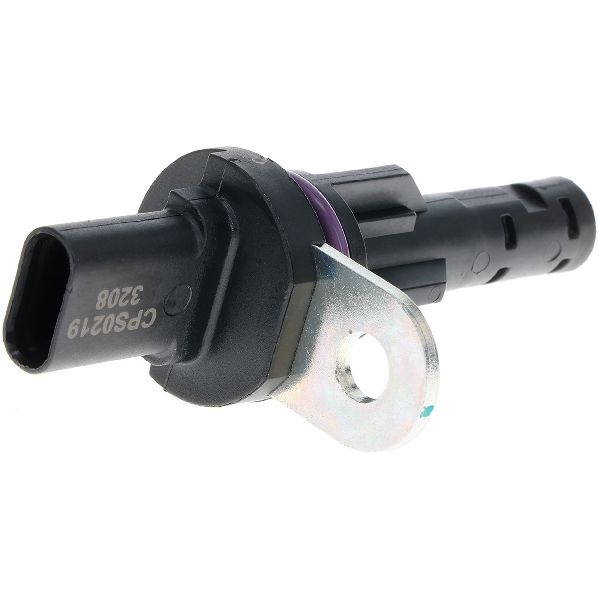
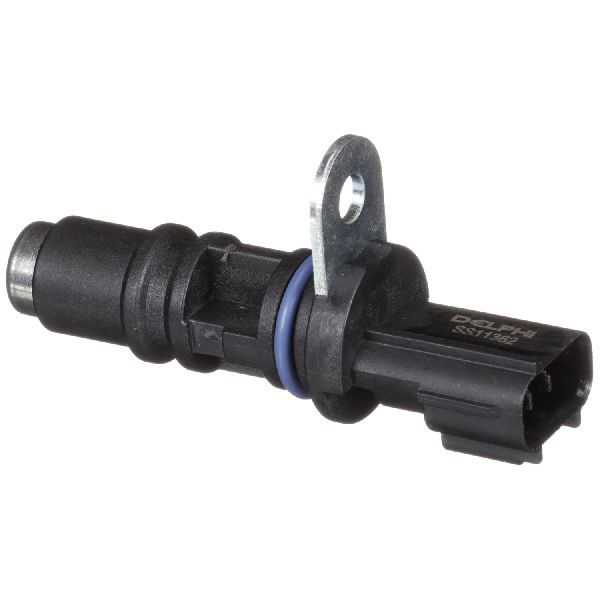
OEM Part Numbers: 56028133AD 56028133AC 56041584AF 5149141AF
Typically a 3-pin Hall effect sensor. The specific part number varies significantly based on the engine (3.7L, 4.7L, 5.2L, 5.7L, 5.9L) and model year.
We Have This Part in Stock


The information in this article is provided for general reference and educational purposes only. Vehicle specifications, procedures, and part compatibility can vary by production date, trim level, and region. Always consult your vehicle's factory service manual and verify part numbers before purchasing or performing repairs. Safety-critical components such as airbags, seat belts, and braking systems should be installed by a qualified professional.
- Dodge Durango:
- 🎬 Helpful Videos
- 🛍️ Shop This Part
- Is Your Durango Stalling or Hard to Start? It Could Be the Camshaft Sensor.
- Symptoms of a Bad Camshaft Position Sensor
- Don't Ignore the Signs
- OEM vs. Aftermarket: What's Best for Your Durango?
- Pro Tip: Consider Replacing the Crankshaft Sensor Too
- Where is the Camshaft Sensor Located?
- Estimated Replacement Costs
- Frequently Asked Questions
- 🎟️ Get 5% Off