

A Guide to Aftermarket Brake Pads for the 2000-2010 Jaguar XKR
Stop the guesswork and excessive brake dust by choosing the right pads for your high-performance Jaguar.
- Crucially, identify if your XKR has standard or the optional Brembo brakes before buying pads, as they are not interchangeable.
- To solve the common problem of heavy brake dust from OEM pads, choose an aftermarket ceramic pad like Akebono.
- For improved stopping power during spirited driving, consider performance-oriented pads like EBC Redstuff or Hawk HPS.
- Always consider replacing your brake rotors at the same time as the pads for the best and safest performance.
Signs of Worn Brake Pads
Your Jaguar XKR is equipped with brake wear sensors that will trigger a warning light on your dashboard when the pads are low. However, you should also watch for other signs. A high-pitched squealing noise when you apply the brakes, a grinding sound (which indicates the pads are completely worn away), or a noticeable decrease in braking performance are all indicators that it's time for a replacement. Visually, if you see less than 3-4mm of pad material remaining, it's time to change them.
A Common Ordering Mistake: Brembo vs. Standard Brakes
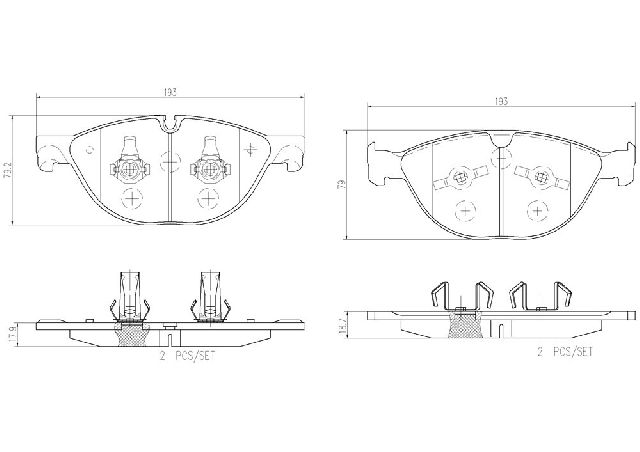
One of the most important things to know before ordering brake pads for your XKR is which brake system your car has. Throughout the 2000-2010 model years, Jaguar offered both standard brakes and an upgraded Brembo performance brake package. These two systems use different size calipers and, therefore, require completely different brake pads. Brembo calipers were standard on the XKR from model year 2003 but were optional on other models. They are typically larger and often painted red with "Jaguar" or "Brembo" lettering. Always verify if your car has the standard or Brembo brakes before purchasing parts to avoid costly errors.
Pro Tip: Check Your Wheels
Cars with the Brembo brake upgrade often require 19-inch or 20-inch wheels to clear the larger calipers. If you have 18-inch wheels, you most likely have the standard brake system.
Choosing the Right Aftermarket Brake Pads
One of the most common complaints from XKR owners about the original equipment (OEM) pads is the excessive amount of black brake dust that quickly dirties the wheels. Aftermarket pads offer a great opportunity to solve this issue while matching or even enhancing your car's braking performance.
Tier 1: Low-Dust Ceramic / Touring Pads
If your main goal is to reduce brake dust and maintain quiet, smooth, factory-like stopping power for street driving, ceramic pads are your best choice. They are rotor-friendly and provide excellent performance for daily use.
- Akebono: Highly recommended by owners for their extremely low dust and quiet operation. They provide a consistent, linear pedal feel without the aggressive initial bite of some performance pads.
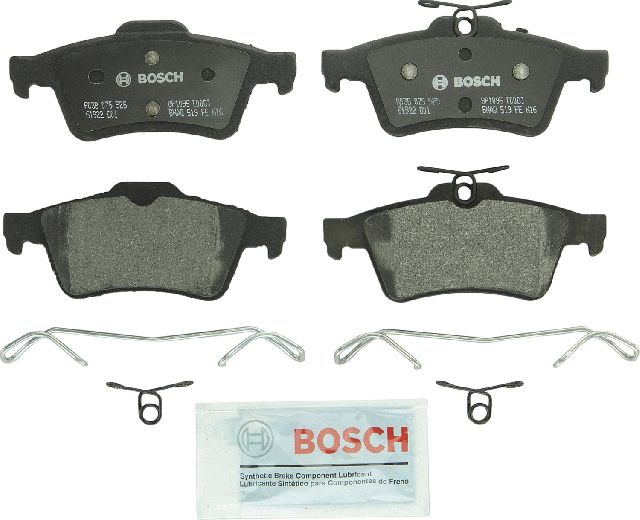
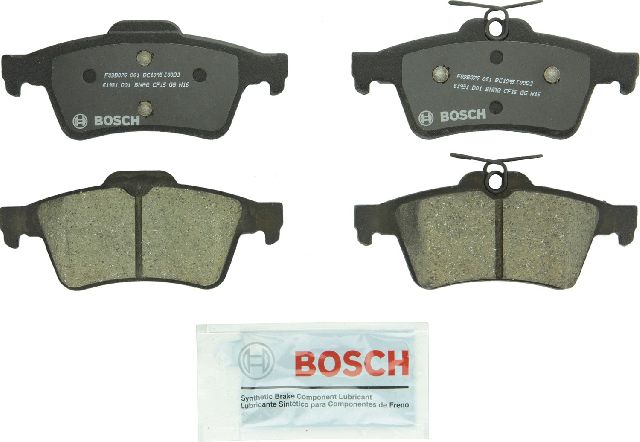
- Bosch, Centric, Textar: These brands offer quality ceramic and semi-metallic pads that are considered strong OEM-equivalent options, providing a good balance of performance, low noise, and value.
Tier 2: Performance Street Pads
For owners who engage in spirited driving and want more bite and fade resistance than stock without moving to a full track pad, these are the ideal choice. They may produce slightly more dust than touring ceramics, but significantly less than OEM pads.
- EBC Redstuff: A very popular ceramic-based performance pad among Jaguar owners. They offer a great reduction in dust compared to OEM and provide a strong initial bite and improved stopping power once bedded in.
- Hawk HPS (High Performance Street): Known for their excellent stopping power and low dust. They offer a noticeable improvement in braking performance over stock for aggressive street use.
- StopTech Street: A good all-around performance pad that provides a solid pedal feel and improved thermal capacity for spirited driving.
Tier 3: High-Performance / Street-Track Pads
These pads are for the enthusiast who may participate in occasional track days or demands the highest level of performance on the street. The trade-off can be more dust and potential for noise when cold.
- EBC Yellowstuff: A step up from Redstuff, these pads are designed for fast street and light track use. They offer excellent high-temperature performance but will create more dust than their ceramic counterparts.
- Hawk HP Plus: These are aggressive pads with a very high friction level, suitable for drivers who prioritize braking performance above all else. They are effective but can be noisy and dusty.
Known Issues & Recalls
A safety recall (NHTSA ID: J003) was issued for some 2007 XKR models concerning the routing of the brake servo vacuum hose. An incorrectly routed hose could melt, leading to a loss of brake assist and requiring more pedal effort to stop. While this is not a brake pad issue, it's a critical safety check for owners of affected models. No recalls were found specifically for the brake pads themselves within this model year range.
Cost of Replacement
| Part Type | Estimated Cost (Parts Only) |
|---|---|
| New Aftermarket Brake Pads (Front or Rear Set) | $27 - $390 |
| Shop Labor for Installation (Front or Rear) | $150 - $250 |
Frequently Asked Questions
Do I need to replace my brake rotors at the same time?
It is best practice to replace rotors with your pads, especially on a high-performance vehicle. New pads on a worn, uneven rotor surface can lead to noise, vibration, and reduced performance. If your rotors have a significant "lip" on the edge, show signs of heat checking (small cracks), or are worn below the minimum thickness stamped on the rotor hat, they must be replaced.
What is the difference between ceramic and semi-metallic pads?
Ceramic pads are made from dense ceramic material and are known for being very quiet, producing fine, light-colored dust that doesn't stick to wheels, and offering a long service life. Semi-metallic pads contain metal fibers, which help dissipate heat and provide a stronger initial bite, but they tend to be noisier, produce more dust, and can wear rotors faster. OEM Jaguar pads are typically a semi-metallic or organic compound, which explains their high-dust characteristic.
Why are my new brakes squeaking?
New brake pads need to go through a "bedding-in" process to properly mate with the rotor surface. This involves a series of controlled stops to transfer a thin layer of friction material to the rotor. Squealing can also be caused by vibrations between the pad and the caliper; applying a thin layer of brake grease to the back of the pads (not the friction surface) during installation can prevent this.
How difficult is it to change the brake pads myself?
For a mechanically inclined person with the right tools, changing brake pads on an XKR is a manageable DIY job. You will need a jack, jack stands, a socket set (including a 9mm Allen for some models), and a caliper compression tool. Always ensure the car is securely supported before starting work. If you are not confident, it is always best to have a professional mechanic perform the service.
Technical Specifications
OEM Part Numbers: C2C40926 JLM21917 JLM21918 MXD1550AB
Varies significantly based on standard or Brembo brake systems. Standard front rotors are around 325mm, while Brembo systems use larger 355mm rotors. Pads must be matched to the specific caliper.
We Have This Part in Stock
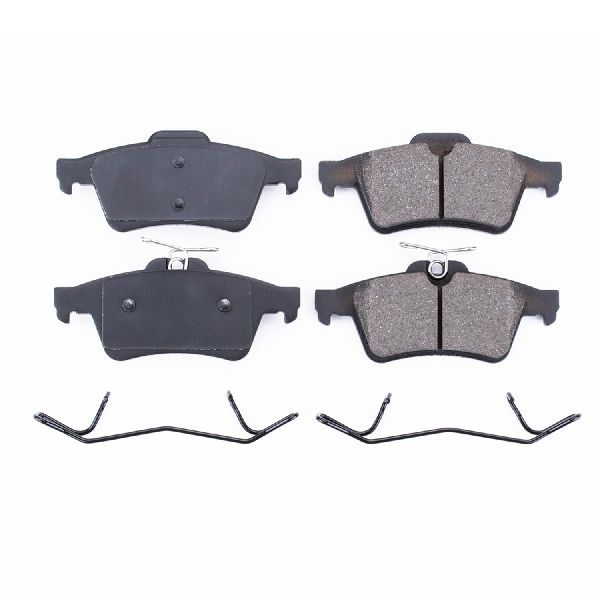
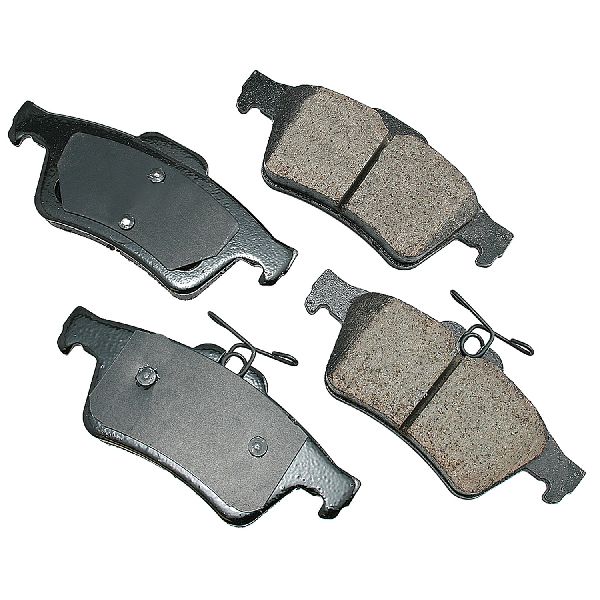

The information in this article is provided for general reference and educational purposes only. Vehicle specifications, procedures, and part compatibility can vary by production date, trim level, and region. Always consult your vehicle's factory service manual and verify part numbers before purchasing or performing repairs. Safety-critical components such as airbags, seat belts, and braking systems should be installed by a qualified professional.
- Jaguar XKR:
- 🛍️ Shop This Part
- Signs of Worn Brake Pads
- A Common Ordering Mistake: Brembo vs. Standard Brakes
- Pro Tip: Check Your Wheels
- Choosing the Right Aftermarket Brake Pads
- Tier 1: Low-Dust Ceramic / Touring Pads
- Tier 2: Performance Street Pads
- Tier 3: High-Performance / Street-Track Pads
- Known Issues & Recalls
- Cost of Replacement
- Frequently Asked Questions
- 🎟️ Get 5% Off