

Jaguar XKR Engine Coolant Temperature Sensor Guide (2000-2010)
Understanding the signs of a failing coolant temperature sensor and how to choose the right replacement for your XKR.
- A bad ECT sensor commonly causes a Check Engine Light, poor fuel economy, black smoke, and cooling system problems.
- For 2007-2010 XKR models, use a Genuine Jaguar or confirmed-compatible aftermarket sensor (like NTK) to avoid a potential no-start issue.
- Replacement is a simple, quick DIY job for most owners, located at the top front of the engine.
- Do not ignore symptoms, as a faulty sensor can lead to engine overheating and costly damage.
Is Your Jaguar XKR's Coolant Temp Sensor Failing?
A faulty Engine Coolant Temperature (ECT) sensor can cause a surprising number of issues with your XKR's performance. Because this sensor provides key data for fuel management and cooling, a bad signal can lead the engine's computer to make poor decisions. Ignoring these symptoms can lead to reduced fuel economy, failed emissions tests, and in severe cases, engine damage from overheating.
Symptoms of a Bad ECT Sensor
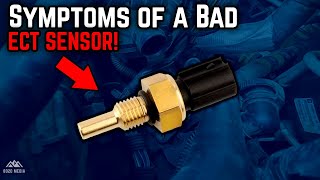
🎬 Watch this overview of common symptoms of a failing sensor.- Check Engine Light: This is often the first sign. The system will log fault codes like P0116 (performance issue), P0117 (circuit low/high temp reading), or P0118 (circuit high/low temp reading).
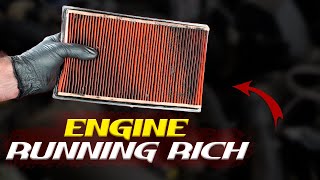
- Poor Fuel Economy & Black Smoke: If the sensor incorrectly tells the computer the engine is always cold, it will run a rich fuel mixture. This wastes gas and can cause black smoke to come from the exhaust pipe. 🎬 Learn more about why your engine might be running rich.
- Engine Overheating: A sensor that doesn't report a high temperature will fail to trigger the radiator fans, which can cause the engine to overheat, especially in traffic.
- Fans Won't Shut Off: Conversely, a failed sensor might default to a "hot" signal, causing the cooling fans to run constantly, even when the engine is cold.
- Rough Idle or Stalling: An incorrect fuel mixture can lead to poor engine performance, including a rough or hunting idle.
- Inaccurate Temp Gauge: The temperature gauge on your dashboard may behave erratically, staying on cold, jumping to hot, or fluctuating.
A Warning for 2007-2010 XKR (X150) Owners
There are multiple owner reports of no-start conditions after installing certain aftermarket ECT sensors on the 2007-2009 XKR 4.2L models. Brands like Standard (TX104) and Hella have been mentioned in forums as causing this issue, which was resolved by reinstalling the original sensor. The problem appears to be related to the length of the electrical pins on the aftermarket part not making proper contact. For these model years, it is highly recommended to use a Genuine Jaguar part or a brand confirmed to work, such as NTK (NGK).
Choosing the Right Aftermarket Sensor
With a wide price range, it's important to understand the differences in quality. For a critical part like the ECT sensor, especially on the sensitive X150 models, opting for a higher-quality brand is a smart investment.
- Premium Brands (Recommended): Brands like NGK (NTK), Hella, and Vemo often have a reputation as Original Equipment (OE) suppliers for European vehicles. While one forum user had an issue with a Hella sensor on an X150, the brand is generally well-regarded. NGK (NTK) was specifically mentioned as a working alternative.
- Standard Aftermarket Brands: Brands such as Beck Arnley, Standard Ignition, Four Seasons, and Walker Products offer a balance of value and reliability. However, given the known issues with the X150, proceed with caution and verify fitment.
- Economy Brands: Brands like URO Parts and others at the lowest end of the price spectrum can be a gamble. While they may function, their longevity and electronic precision might not match OE standards. URO Parts are available for this application.
| Part Type | Estimated Cost |
|---|---|
| New OEM (Genuine Jaguar) | $35 - $65 |
| New Aftermarket | $11 - $61 |
| Shop Labor | $60 - $90 |
Pro Tip: Replacing the ECT sensor is a simple DIY job. It's located on the thermostat housing at the front of the engine. You can perform a "quick swap" by having the new sensor ready to screw in as soon as you remove the old one. This minimizes coolant loss and means you likely won't need to drain the system.
🎬 See how to replace the sensor without draining your coolant.Frequently Asked Questions
Where is the ECT sensor located on the Jaguar XKR?
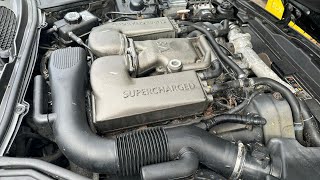
The sensor is located on the coolant outlet pipe or thermostat housing at the top, front of the engine. It is easily accessible on both the X100 (4.0L/4.2L) and X150 (4.2L) V8 engines.
Can I replace the ECT sensor myself?
Yes, this is a very DIY-friendly job. It typically requires only a 19mm wrench and can be completed in under 30 minutes. Be sure to have the new sensor and its sealing washer ready to install quickly to prevent significant coolant loss.
What is the difference between the cream and gray colored sensors?
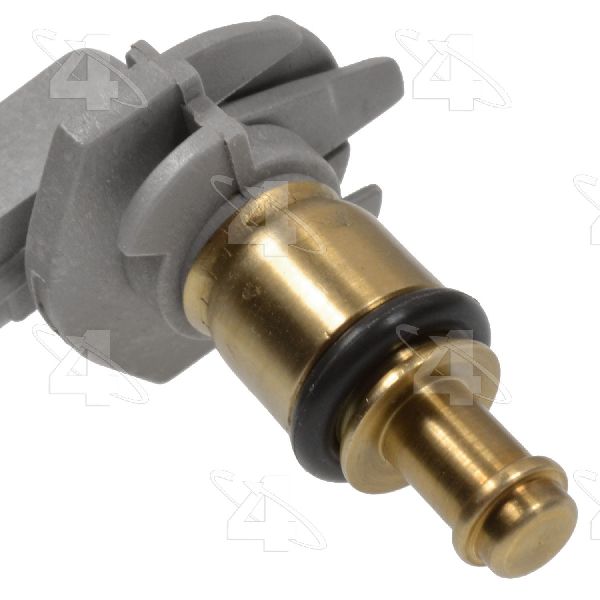
The color often corresponds to the thread size and the specific engine application. The cream/white sensor (Part LNA1600AA) is typically a 12mm thread part used on the 4.0L and earlier 4.2L engines. The gray sensor may be a different thread size or have different resistance values for later models. Always verify the correct part number for your specific vehicle year.
Are there any recalls for the XKR coolant temperature sensor?
There are no specific NHTSA safety recalls for the engine coolant temperature sensor on the 2000-2010 Jaguar XKR. Any issues are addressed as standard repairs or potential Technical Service Bulletins (TSBs).
Helpful Videos
Technical Specifications
OEM Part Numbers: LNA1600AA AJ810031 XR858700 XR832403 JDE1634
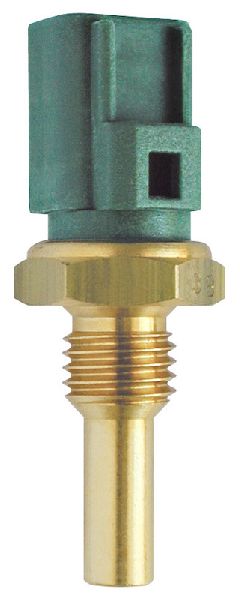
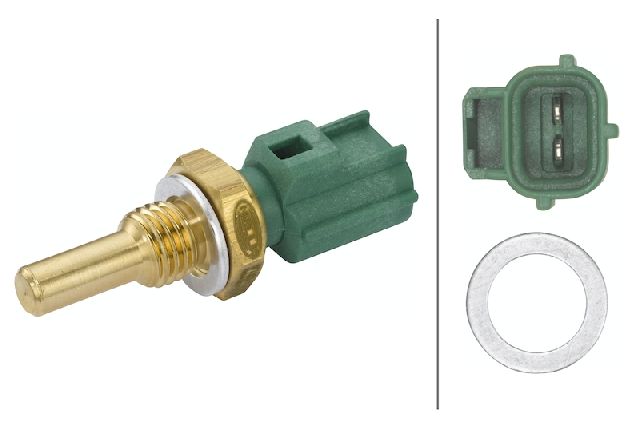
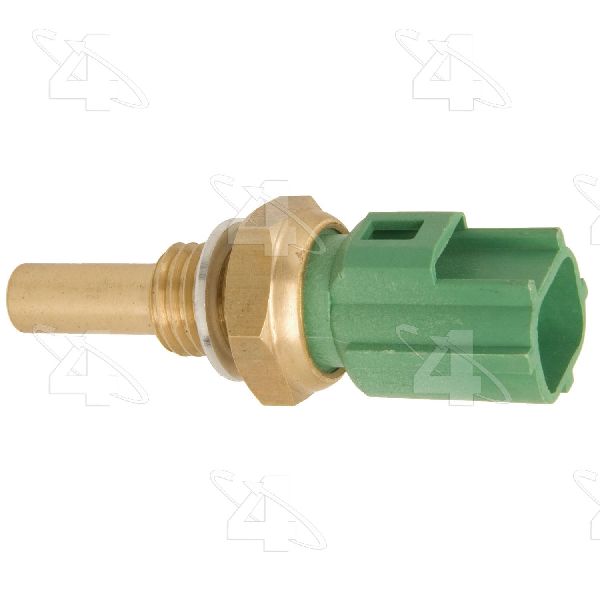
Typically a 2-pin thermistor sensor with either 12mm or 18mm threads, depending on the model year and engine version. The connector plug is also a key point of variation.
We Have This Part in Stock


The information in this article is provided for general reference and educational purposes only. Vehicle specifications, procedures, and part compatibility can vary by production date, trim level, and region. Always consult your vehicle's factory service manual and verify part numbers before purchasing or performing repairs. Safety-critical components such as airbags, seat belts, and braking systems should be installed by a qualified professional.
- Jaguar XKR: