

Mazda B4000 (2000-2010) Suspension Shock Absorber Replacement Guide
Get your truck's ride quality back by understanding its shock absorbers and choosing the right replacements.
- The Mazda B4000 is mechanically similar to the Ford Ranger, so parts are widely available.
- Upgrading to a quality aftermarket shock like the Bilstein 4600 is a very popular and highly recommended modification by owners for improved ride and handling.
- Replacing shocks is a straightforward DIY job on this truck as it does not require a spring compressor.
- Check for a rattling noise from the front suspension, which could be related to TSB 02-006/20 concerning the shock mounting rubbers.
Is Your Mazda B4000's Ride Getting Rough?
As your 2000-2010 Mazda B4000 ages, the original factory shocks will wear out. This is a normal maintenance item. Owners often report that the original suspension feels worn and the ride becomes bouncy or loose after 100,000 miles. Replacing worn shocks is one of the best ways to restore your truck's handling and ride quality, making it feel more stable and controlled on the road.
Symptoms of Failing Shock Absorbers
If you notice any of these signs, it's likely time to inspect and replace your B4000's shocks:
- Bouncy Ride: The truck continues to bounce up and down after hitting a bump.
- Nose Dives and Body Roll: The front end dips excessively when you brake, or the truck leans heavily in corners.
- Vibrations: You feel unusual vibrations through the steering wheel or the chassis.
- Fluid Leaks: You see oil or hydraulic fluid on the body of the shock absorber.
- Unusual Noises: A clunking or rattling sound from the suspension area when driving over bumps.
- Uneven Tire Wear: Worn shocks can cause a 'cupping' pattern on your tires.
Known Issues, Recalls, and TSBs
Recalls: There are no specific NHTSA recalls for the suspension shock absorbers on the 2000-2010 Mazda B4000. Most recalls for this vehicle concern Takata airbags. Always check for any open recalls on your specific vehicle using your VIN.
Technical Service Bulletins (TSB): Mazda issued TSB 02-006/20 for some vehicles that may exhibit a rattle from the front suspension over bumps. This was caused by insufficient clearance in the shock's upper mounting rubber. The repair involves replacing the mounting rubber with a modified part.
Choosing the Right Aftermarket Shocks for Your B4000
Since the Mazda B4000 is mechanically identical to the Ford Ranger for these model years, you have a wide selection of aftermarket shocks. The original factory shocks were often considered inadequate, so upgrading can make a significant improvement. Here’s a breakdown of popular brand tiers based on owner feedback and general industry reputation.
Tier 1: Premium Upgrade (Best Performance & Durability)
- Bilstein (4600/B6 Series): This is the most frequently recommended shock for the Mazda B4000 and Ford Ranger by owners. They offer a significant upgrade in handling and control without being overly harsh. They are a monotube design known for durability and consistent performance, especially on rough roads. Expect a firmer, more controlled ride than stock.
- Rancho (RS9000XL): These are adjustable shocks, allowing you to dial in the firmness to your preference. They are a good option if you use your truck for a variety of tasks, from daily driving to towing or light off-roading.
Tier 2: Quality OE-Style Replacement (Good Value)
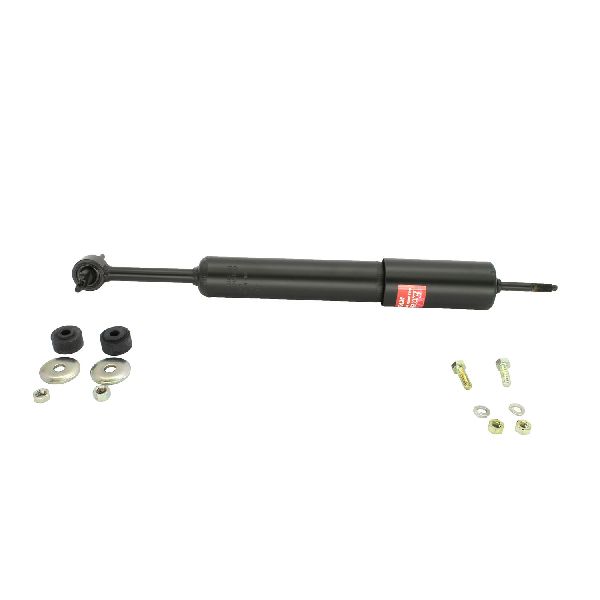
- KYB (Excel-G / Gas-a-Just): KYB is a well-regarded brand that offers a good balance of quality and price. The Excel-G is a twin-tube design similar to the original factory shocks, aimed at restoring the original ride quality. The Gas-a-Just is a monotube design that offers a step up in performance from the Excel-G, providing a firmer and more responsive ride.
- Monroe (OESpectrum): Monroe is another popular choice for OE-style replacements. Their OESpectrum line is designed to provide a comfortable ride similar to the original equipment. Some users find them to be a softer, more comfort-oriented shock.
Tier 3: Economy Options
- FCS Struts, PRT, Gabriel: These brands offer a budget-friendly solution to get your truck back on the road safely. While they may not have the performance or longevity of premium brands, they are a viable option if cost is the primary concern.
A Note on Ride Quality
Remember, the Mazda B4000 is a light-duty pickup truck. Even with premium shocks, it will not ride like a modern car. Many owners who upgrade to performance shocks like Bilstein note the ride is "stiffer" but also more controlled and less bouncy, which is generally seen as a major improvement.
| Part | Typical Price Range (Each) |
|---|---|
| Front Shock Absorber | $26 - $110 |
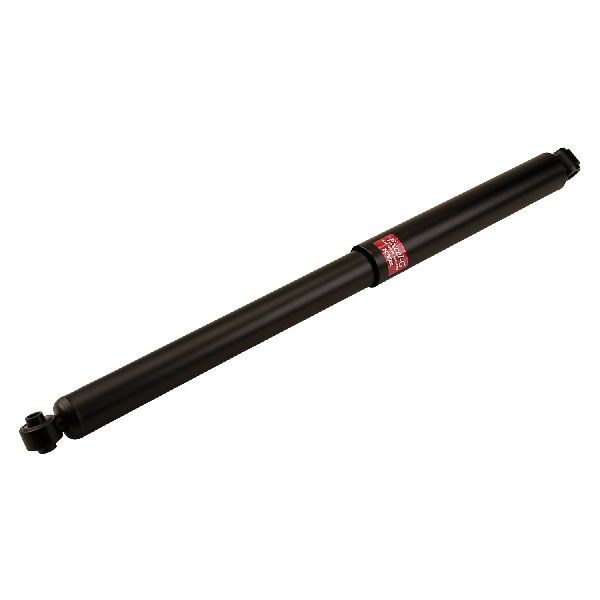
| Rear Shock Absorber | $28 - $135 |
Note: Prices are estimates and can vary based on brand, retailer, and vehicle configuration (2WD vs 4WD).
Frequently Asked Questions (FAQ)
Q: Should I replace all four shocks at the same time?
A: It is highly recommended to replace shocks in pairs (both front or both rear). For the best and most balanced handling, replacing all four at once is the ideal approach, especially if they are all original and have high mileage.
Q: Does my 2WD B4000 use the same shocks as a 4WD model?
A: Not always. The front suspension is different (coil springs on 2WD vs. torsion bars on 4WD). Always confirm the fitment for your specific drivetrain when ordering parts. Many aftermarket shocks are designed to fit multiple configurations, but it's crucial to check.
Q: Do I need a spring compressor to change the front shocks?
A: No. On the 2000-2010 Mazda B4000, the shock absorber is separate from the spring (on both coil and torsion bar front ends). You do not need a spring compressor, which makes the job much safer and easier for a DIY mechanic.
Q: What is the difference between a monotube and a twin-tube shock?
A: A twin-tube shock is the most common and affordable design, like the factory shocks. A monotube shock, like the Bilstein 4600, has a more advanced design that dissipates heat better and provides more consistent damping performance, especially under heavy use.
Frequently Asked Questions (FAQ)
Q: Should I replace all four shocks at the same time?
A: It is highly recommended to replace shocks in pairs (both front or both rear). For the best and most balanced handling, replacing all four at once is the ideal approach, especially if they are all original and have high mileage.
Q: Does my 2WD B4000 use the same shocks as a 4WD model?
A: Not always. The front suspension is different (coil springs on 2WD vs. torsion bars on 4WD). Always confirm the fitment for your specific drivetrain when ordering parts. Many aftermarket shocks are designed to fit multiple configurations, but it's crucial to check.
Q: Do I need a spring compressor to change the front shocks?
A: No. On the 2000-2010 Mazda B4000, the shock absorber is separate from the spring (on both coil and torsion bar front ends). You do not need a spring compressor, which makes the job much safer and easier for a DIY mechanic.
Q: What is the difference between a monotube and a twin-tube shock?
A: A twin-tube shock is the most common and affordable design, like the factory shocks. A monotube shock, like the Bilstein 4600, has a more advanced design that dissipates heat better and provides more consistent damping performance, especially under heavy use.
Technical Specifications
The 2000-2010 Mazda B4000 uses a conventional twin-tube shock absorber from the factory. 2WD models typically use a front coil spring suspension, while 4WD models use a torsion bar front suspension. The rear suspension on all models is a leaf spring setup. The shocks are a separate component from the springs.
We Have This Part in Stock


The information in this article is provided for general reference and educational purposes only. Vehicle specifications, procedures, and part compatibility can vary by production date, trim level, and region. Always consult your vehicle's factory service manual and verify part numbers before purchasing or performing repairs. Safety-critical components such as airbags, seat belts, and braking systems should be installed by a qualified professional.
- Mazda B4000:
- 🛍️ Shop This Part
- Is Your Mazda B4000's Ride Getting Rough?
- Symptoms of Failing Shock Absorbers
- Known Issues, Recalls, and TSBs
- Choosing the Right Aftermarket Shocks for Your B4000
- Tier 1: Premium Upgrade (Best Performance & Durability)
- Tier 2: Quality OE-Style Replacement (Good Value)
- Tier 3: Economy Options
- A Note on Ride Quality
- 🎟️ Get 5% Off