

Porsche 911 (2000-2010) Spark Plug Replacement Guide
Keep your 911's flat-six engine running smoothly by understanding when and why to change your spark plugs.
- Replace spark plugs every 40,000-60,000 miles or 4 years to maintain performance.
- Stick to top-tier aftermarket brands like Bosch, NGK, and Beru, which are often the OEM suppliers.
- Due to difficult access, many owners replace the ignition coils at the same time as the spark plugs.
- A flashing check engine light indicates a misfire that can damage other components; address it immediately.
Signs of Failing Spark Plugs in a 911
When spark plugs in your 911 start to wear out, they can cause noticeable problems. Because these cars are precision machines, even a small issue with a spark plug can be felt by the driver. You might experience a rough idle, where the engine sounds uneven and shaky when the car is stopped. Other common signs include poor acceleration, a drop in fuel economy, engine misfires (which can feel like a stumble or hesitation), and difficulty starting the engine. In many cases, a failing spark plug will trigger the Check Engine Light on your dashboard.
Check Engine Light and Misfires
A flashing Check Engine Light often indicates an engine misfire, which can damage your expensive catalytic converters. If you see a flashing light, it's best to reduce your speed and have the vehicle checked as soon as possible. Common codes for misfires are P0300 (random misfire) and P0301 through P0306 (for specific cylinders).
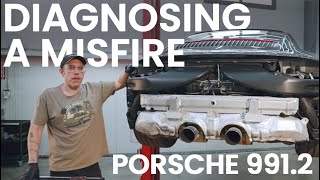
🎬 See how to diagnose engine misfires on a modern 911.Choosing the Right Aftermarket Spark Plugs
Porsche used high-quality spark plugs from the factory, typically from brands like Beru or Bosch. When choosing an aftermarket replacement, it's important to select a plug that meets or exceeds these original specifications. Sticking with reputable brands known for their quality in European vehicles is a safe bet.
Brand Quality Tiers
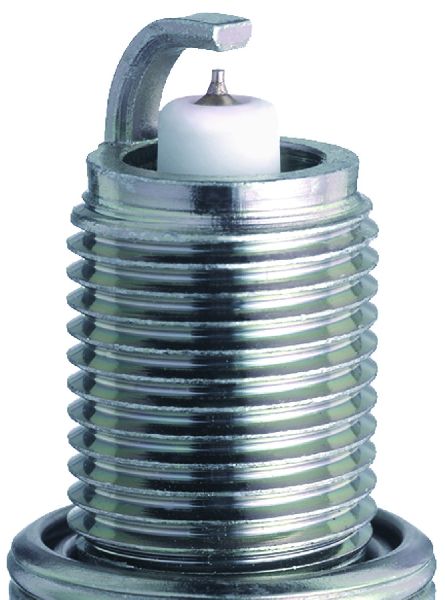
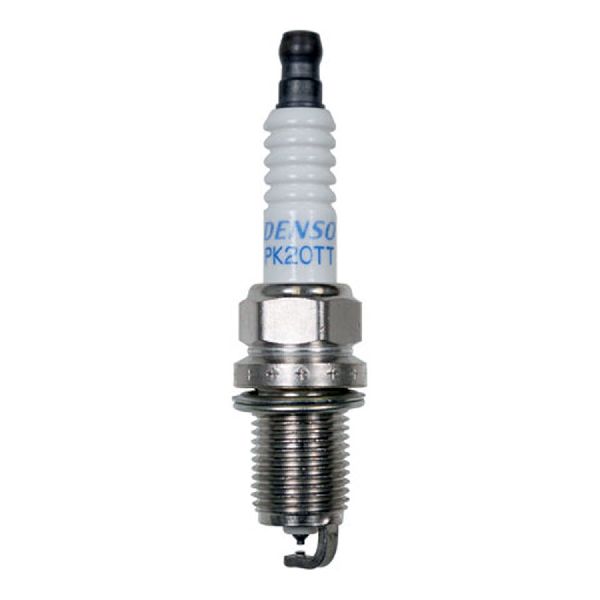
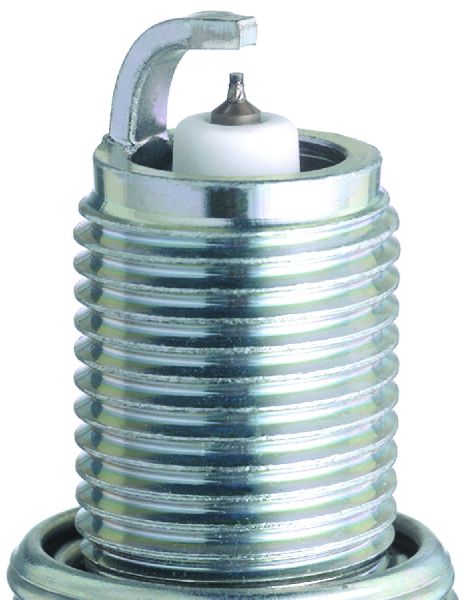
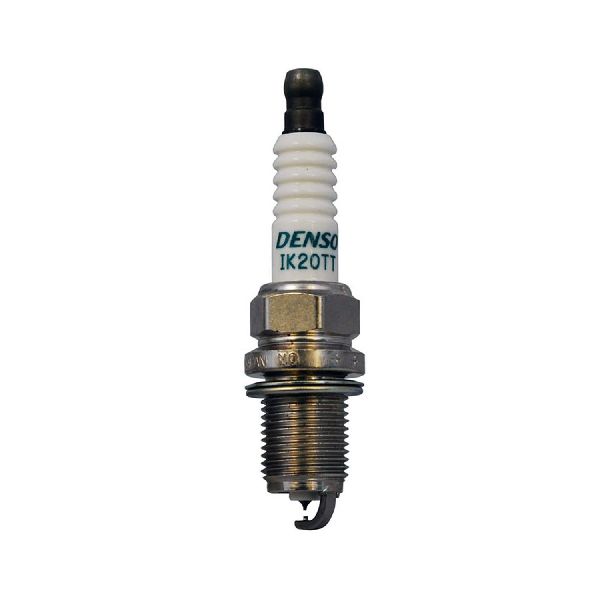
- Top Tier (OEM-Equivalent): Brands like Bosch, NGK, and Beru are often the original equipment manufacturers for Porsche. They are engineered to the exact specifications for heat range and performance that your 911 requires. Denso is another highly-regarded Japanese manufacturer known for quality. You can trust these brands to restore original performance.
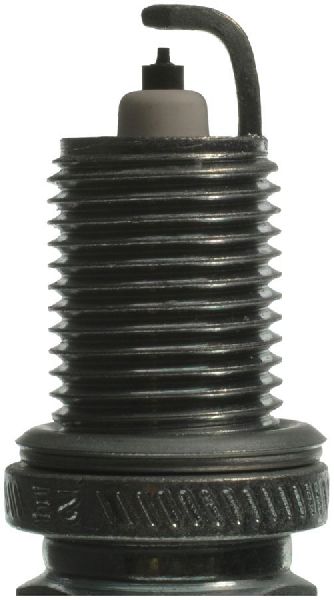
- Mid-Tier: Brands like Champion and Autolite have a long history in the automotive world. While they may not be the first choice for a Porsche, they produce quality plugs that can be a reliable option if the specific part number is verified for your vehicle.
- Economy Tier: Brands like Skyward are budget-focused. While the low price is tempting, using them in a high-performance engine like the 911's is not recommended. The risk of poor performance, short lifespan, or even engine damage outweighs the initial savings. Beck Arnley is often a re-packager of parts, so the quality can vary depending on their supplier for that specific part.
A Note on Ignition Coils
The spark plugs work with ignition coils to create the spark. These coils can also fail, causing similar misfire symptoms. They are prone to cracking from heat over time. Since replacing the spark plugs requires accessing the coils, many owners and mechanics choose to replace the coils at the same time, especially on higher-mileage cars. This is often called a "tune-up" and can save you from paying for the same labor twice.
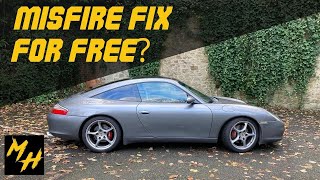
🎬 Check out this ultimate guide to troubleshooting 996 engine misfires.Cost to Replace Porsche 911 Spark Plugs
| Category | Estimated Cost |
|---|---|
| New Aftermarket (per set of 6) | $21 - $172 |
| New OEM (per set of 6) | $130 - $210 |
| Shop Labor | $330 - $485+ |
| Total Professional Replacement | $460 - $700+ |
Frequently Asked Questions (FAQ)
How often should I replace the spark plugs on my 911?
The general recommendation for the 2000-2010 Porsche 911 is to replace the spark plugs every 40,000 to 60,000 miles, or every 4 years, whichever comes first. If you track your car or drive it very aggressively, you may need to replace them more frequently.
Is changing the spark plugs on a 911 a DIY job?
It is possible for an experienced DIY mechanic, but it is more challenging than on a typical car. The flat-six engine is compact, and accessing the rearmost plugs can be very tight, often requiring specialized tools like wobble extensions and swivel-head ratchets. Some guides recommend removing mufflers or other components for access, but many DIY-ers have found ways to do it without those extra steps. Expect it to take 3-6 hours.
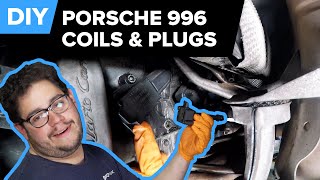
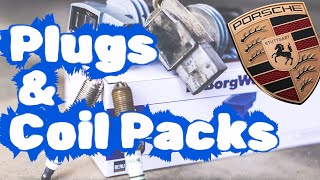
🎬 Watch this step-by-step spark plug and coil replacement guide.What is the correct spark plug gap? Do I need to check it?
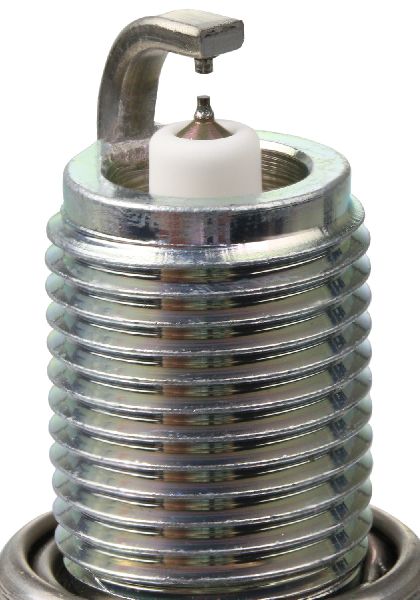
The spark plug gap is the small space between the electrodes. Most high-quality plugs from brands like Bosch and NGK come pre-gapped for your vehicle. However, it is always a good practice to verify the gap with a feeler gauge before installation, as they can be knocked out of spec during shipping. The correct gap ensures the strongest spark.
Should I use anti-seize on the spark plug threads?
This is a debated topic. Many modern spark plugs, especially from brands like NGK, have a special trivalent plating that acts as an anti-seize and prevents corrosion. Adding more anti-seize can act as a lubricant, causing you to over-torque the plug, which can damage the plug or your engine's cylinder head. A Porsche technical bulletin advises against using anti-seize. It's best to follow the plug manufacturer's recommendation and torque the plugs to the correct specification on a clean, dry thread.
Helpful Videos

Technical Specifications
OEM Part Numbers: 99917022390 99917019090 99917018690
The 2000-2010 Porsche 911 uses six spark plugs. The specific plug (heat range, electrode type) can vary by sub-model (Carrera, Carrera S, Turbo) and model year (996 vs. 997). Always verify the exact part number for your specific vehicle's VIN. Top brands for this application are Bosch, NGK, and Beru.
We Have This Part in Stock

The information in this article is provided for general reference and educational purposes only. Vehicle specifications, procedures, and part compatibility can vary by production date, trim level, and region. Always consult your vehicle's factory service manual and verify part numbers before purchasing or performing repairs. Safety-critical components such as airbags, seat belts, and braking systems should be installed by a qualified professional.
- Porsche 911: