

Subaru Outback Engine Intake Manifold Gasket Guide (2000-2010)
Fixing common coolant leaks and Check Engine Lights on your 2000-2010 Subaru Outback starts here.
- A P0171 check engine light code is the number one sign of a failing intake manifold gasket on this Outback.
- You must order the correct gasket set for your 2.5L 4-cylinder or 3.0L 6-cylinder engine; they are not interchangeable.
- Quality aftermarket brands like Fel-Pro and Victor Reinz are reliable and cost-effective alternatives to OEM parts.
- While the intake manifold is off, it is highly recommended to also replace the coolant crossover pipe O-rings to prevent future leaks.
Is Your Outback's Intake Manifold Gasket Failing?
Over time, the constant heating and cooling of the engine causes the intake manifold gaskets to become hard, brittle, and cracked. On the 2000-2010 Subaru Outback, this is a common issue that can show up in a few distinct ways. The most frequent symptom is a vacuum leak, but coolant leaks are also possible.
Key Symptoms of a Bad Gasket
- Check Engine Light (Code P0171): This is the most common sign. A cracked gasket lets unmetered air into the engine, creating a 'lean' air-fuel mixture that triggers the P0171 "System Too Lean" code.
- Rough or Unstable Idle: The engine may shake, idle erratically, or feel like it might stall when you're stopped.
- Coolant Leak and Overheating: You might notice the sweet smell of coolant, see puddles of green or blue fluid under your car, or find your engine temperature gauge climbing higher than normal. This happens when the part of the gasket sealing the coolant passages fails.
- Hissing Noise: A distinct hissing or whistling sound from the engine bay while it's running is often the sound of air being sucked through the bad gasket.
- Reduced Power and Fuel Economy: Your Outback may feel sluggish when you accelerate, and you might notice you're filling up the gas tank more often.
Engine Type Matters
The 2000-2010 Outback was available with a 2.5L 4-cylinder (EJ25) engine or a 3.0L 6-cylinder (EZ30) engine. These engines use completely different intake manifold gaskets. Always verify the correct part for your specific engine before ordering.
Choosing the Right Aftermarket Gasket Set
For this repair, you don't necessarily need to buy an expensive OEM part from the dealer. Several reputable aftermarket brands offer high-quality gasket sets that meet or exceed original specifications.
- Good (Entry-Level): Brands in this tier meet basic requirements and are a cost-effective choice for a standard repair. They are a reliable step up from no-name parts.
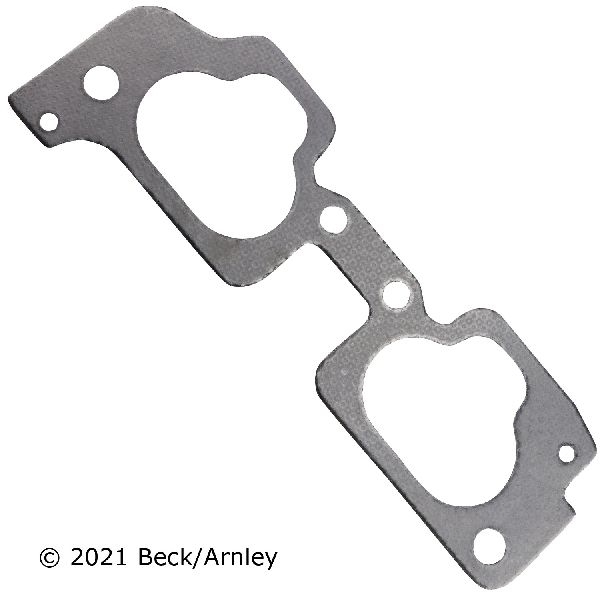
- Better (OEM Quality): Brands like Beck Arnley and Victor Reinz are excellent choices. Beck Arnley often sources its parts from the original equipment manufacturers and re-packages them, so you may be getting an OEM part without the dealer price tag. Victor Reinz is a well-respected gasket manufacturer known for quality seals.
- Best (High Performance/Upgraded): Brands like Cometic Gasket specialize in high-performance seals that can offer superior durability, though they may be overkill for a daily driver. Fel-Pro is another top-tier brand that often engineers its gaskets to fix known factory design flaws, making them a very popular choice among mechanics.
Cost of Replacing the Intake Manifold Gasket
| Part/Service | Estimated Cost |
|---|---|
| New Aftermarket Gasket Set | $19.50 - $98.03 |
| New OEM Gasket Set | $25 - $60 |
| Shop Labor | $250 - $500 |
| Total Estimated Cost | $270 - $600 |
While You're In There...
Since replacing the intake manifold gasket requires draining the coolant and removing the manifold, it's the perfect time to address other common issues. Many mechanics recommend replacing the two small O-rings on the coolant crossover pipe located under the manifold. These O-rings are known to get brittle and leak, and replacing them during this job can save you from having to do it all over again later.
Frequently Asked Questions
Do I need to use sealant on the new gaskets?
Most modern gaskets for the Outback are designed to be installed dry. However, always check the instructions included with your specific gasket set. Some procedures may call for a small dab of RTV silicone at sharp corners or where engine components meet, but never coat the entire gasket.
Is this a good DIY project?
For an experienced DIY mechanic, yes. The process involves draining coolant, disconnecting fuel lines, and carefully removing the intake manifold. It requires patience and attention to detail, especially when cleaning the old gasket material off the engine surfaces. If you are new to auto repair, it's best to leave this job to a professional.
What happens if I ignore a bad intake manifold gasket?
Ignoring it is not recommended. A vacuum leak will cause persistent performance issues and poor fuel economy. A coolant leak is more serious; if left unchecked, it can lead to the engine overheating, which can cause severe and expensive damage like a warped cylinder head or blown head gasket.
Are there any recalls for this part?
No, there have been no recalls issued by the NHTSA for the intake manifold gaskets on the 2000-2010 Subaru Outback. However, the failure is a widely recognized problem among Subaru owners and mechanics.
Technical Specifications
OEM Part Numbers: Note: Part numbers vary significantly by year and engine (2.5L 4-Cylinder vs 3.0L 6-Cylinder). Always confirm fitment with your vehicle's VIN.
Set typically includes two main intake manifold gaskets. Some kits may include additional seals for throttle body or EGR components.
We Have This Part in Stock


The information in this article is provided for general reference and educational purposes only. Vehicle specifications, procedures, and part compatibility can vary by production date, trim level, and region. Always consult your vehicle's factory service manual and verify part numbers before purchasing or performing repairs. Safety-critical components such as airbags, seat belts, and braking systems should be installed by a qualified professional.
- Subaru Outback: