

Subaru Outback Serpentine Belt Guide: 2000-2010 Models
Keep your Outback's engine running smoothly by learning to spot serpentine belt problems and choosing the right replacement.
- Inspect the belt at every oil change for cracks, fraying, and other signs of wear.
- A squealing noise is the most common early warning sign of a failing belt.
- Always confirm the correct belt for your specific engine (2.5L vs 3.0L) as they are different.
- Strongly consider replacing the belt tensioner and idler pulleys at the same time as the belt, especially if mileage is high.
Is Your Subaru Outback's Serpentine Belt Failing?

A serpentine belt is a critical wear-and-tear item. Over time, the rubber dries out and cracks, and it can stretch or get glazed (shiny), causing it to slip. Ignoring a failing belt can leave you stranded, as a complete break will cause your battery to stop charging, your power steering to fail, and your engine to potentially overheat.
Key Symptoms of a Bad Serpentine Belt
- Squealing or Chirping Noises: This is the most common sign. A high-pitched squeal, especially when you start the engine or make sharp turns, often means the belt is slipping because it's loose or worn.
- Visible Wear: Open the hood and look at the belt. You shouldn't see cracks, fraying on the edges, missing chunks, or a glossy, smooth surface.
- Power Accessory Failure: If your A/C isn't blowing cold, your steering feels heavy, or your battery light comes on, the belt may not be properly driving those components.
- Engine Overheating: If your temperature gauge starts climbing, the belt might not be turning the water pump effectively. This is a serious issue that requires you to stop driving immediately to prevent engine damage.
Generation & Engine Differences
The 2000-2010 Outback spans two generations and came with different engines (2.5L 4-cylinder and 3.0L 6-cylinder). These engines use different belts and may even have a different number of belts (some 2.5L models use two separate accessory belts). Always verify the correct part for your specific year, model, and engine size before ordering.
Choosing the Right Aftermarket Serpentine Belt

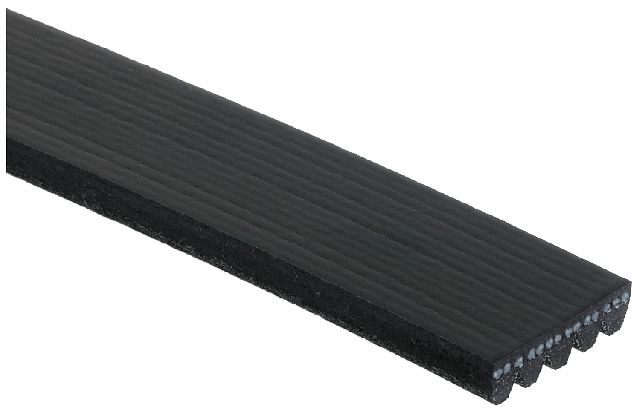
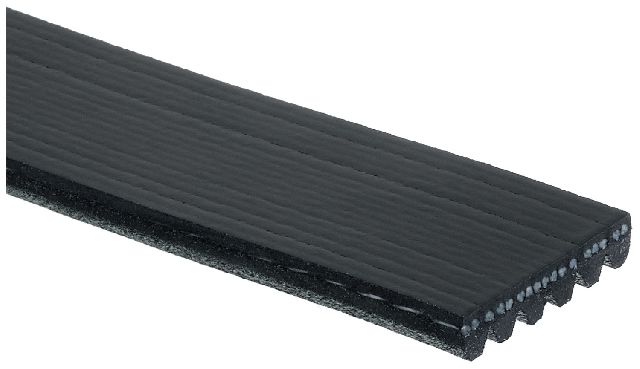
You don't need to buy a Subaru-branded belt to get top quality. Many aftermarket brands are the original equipment (OEM) suppliers for Subaru and other major carmakers. For your Outback, you can confidently choose a quality aftermarket belt and get the same, if not better, performance as the original.
Aftermarket Brand Tiers
- Top Tier (OEM Quality): Brands like Gates, Continental, and Bando are highly regarded and often supply the original belts for many vehicles, including Japanese imports like Subaru. Choosing one of these brands is a safe bet for reliability and longevity. Gates, in particular, is frequently mentioned by mechanics as a top choice.
- Mid-Tier (Reliable Alternatives): Dayco is another well-known brand that offers reliable performance and is a good, budget-friendly option. INA is a major OEM for tensioners and bearings, and while less known for belts, their products are generally high quality.
Pro Tip: Replace the Tensioner and Pulleys
The serpentine belt system includes a tensioner and idler pulleys, which also wear out. A common issue on older Outbacks is a failing tensioner or a noisy idler pulley bearing. A bad pulley can destroy a new belt quickly. It is highly recommended to replace the tensioner and any noisy idler pulleys at the same time as the belt, especially on high-mileage vehicles. Many brands sell complete kits that include the belt, tensioner, and pulleys.
🎬 See this walkthrough for replacing the belt, tensioner, and pulleyCost of Replacing a Serpentine Belt on a 2000-2010 Subaru Outback
| Part Type | Estimated Cost |
|---|---|
| New Aftermarket Serpentine Belt | $12 - $56 |
| New OEM Serpentine Belt | $38 - $60 |
| Shop Labor | $75 - $150 |
| Total (DIY Aftermarket) | $12 - $56 |
| Total (Shop Installed Aftermarket) | $87 - $206 |
Frequently Asked Questions

When should I replace my Outback's serpentine belt?
Most serpentine belts have a lifespan of 60,000 to 100,000 miles. However, it's best to inspect it visually during every oil change for signs of wear like cracks, fraying, or glazing. Replace it based on condition, not just mileage.
Is this a DIY job?
Yes, for many home mechanics, this is a feasible DIY project. Access on the Subaru boxer engine is generally good. The process involves loosening the tensioner, removing the old belt, routing the new one correctly, and re-applying tension. Ensure you have a diagram or photo of the correct belt routing before you start.
Are there any recalls for the serpentine belt on these Outbacks?
A search of NHTSA records did not show any specific recalls for the serpentine belt itself on 2000-2010 Subaru Outback models. Recalls found were for later model years or different components like fuel pumps and airbags.
What is the difference between a serpentine belt and a timing belt?
They are not the same. The serpentine belt (or accessory belt) is visible on the front of the engine and runs external accessories. The timing belt is located behind a cover and is critical for the engine's internal timing. A failing timing belt can cause catastrophic engine damage, while a failing serpentine belt will not.
My new belt is squealing. What's wrong? 🎬 Watch: How to diagnose and pinpoint specific belt noises
If a new belt squeals, it's often due to incorrect tension (too loose), a weak tensioner that can't hold proper tension, or fluid (like oil or coolant) leaking onto the belt. It could also be a sign that one of the pulleys has a bad bearing.
Helpful Videos

Technical Specifications
OEM Part Numbers: 809218460 809221140 23780AA130 809221210
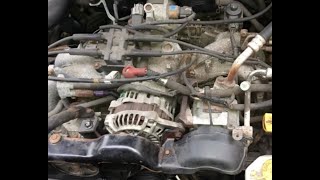
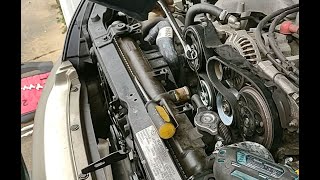
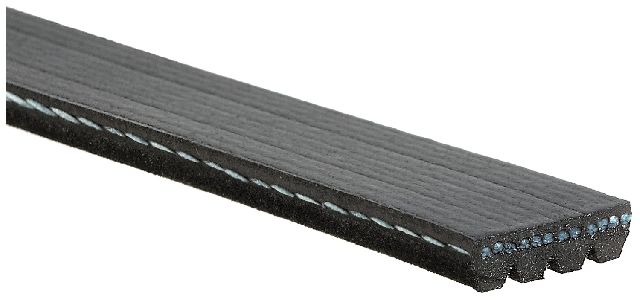
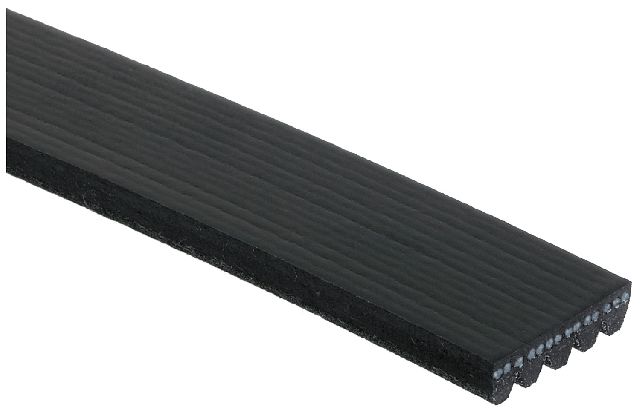
The 2000-2010 Subaru Outback uses a multi-rib (serpentine) belt. Some 2.5L 4-cylinder models use a two-belt system (one for alternator/power steering, one for A/C), while 3.0L 6-cylinder and later 4-cylinder models typically use a single belt. Tension is maintained by either a manual adjustment on the alternator (earlier models) or an automatic spring-loaded tensioner (later models).
We Have This Part in Stock

The information in this article is provided for general reference and educational purposes only. Vehicle specifications, procedures, and part compatibility can vary by production date, trim level, and region. Always consult your vehicle's factory service manual and verify part numbers before purchasing or performing repairs. Safety-critical components such as airbags, seat belts, and braking systems should be installed by a qualified professional.
- Subaru Outback:
- 🎬 Helpful Videos
- 🛍️ Shop This Part
- Is Your Subaru Outback's Serpentine Belt Failing?
- Key Symptoms of a Bad Serpentine Belt
- Generation & Engine Differences
- Choosing the Right Aftermarket Serpentine Belt
- Aftermarket Brand Tiers
- Pro Tip: Replace the Tensioner and Pulleys
- Cost of Replacing a Serpentine Belt on a 2000-2010 Subaru Outback
- Frequently Asked Questions
- 🎟️ Get 5% Off