

Choosing the Right Aftermarket Alternator for Your 2000-2010 Toyota Tundra
Keep your Tundra's electrical system reliable by understanding your alternator replacement options.
- The original Denso alternator is very reliable; a remanufactured Denso is a top-quality replacement option.
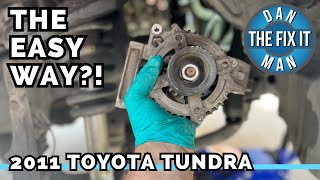
- Replacement is a difficult job due to tight access, often requiring removal of the power steering pump.
- Verify the correct amperage for your truck (100A, 130A, or 150A) before purchasing a replacement.
- Budget brands like WAI and TYC are cheaper but have a higher reported rate of noise and early failure.
Is Your Tundra's Alternator Failing?
An alternator doesn't usually fail without warning. For a 2000-2010 Tundra, the signs are often clear. Ignoring them can leave you with a truck that won't start or stalls while driving. Be on the lookout for these common symptoms:
- Battery Light: The most obvious sign is the battery-shaped warning light on your dashboard. This means the electrical system's voltage has dropped, and the alternator is no longer charging properly.
- Dim or Flickering Lights: Headlights and interior lights that dim, especially when the truck is idling, are a classic symptom.
- Slow or Failing Electronics: You might notice your power windows are slow, or the radio acts up. This happens when there isn't enough electricity to go around.
- Whining or Grinding Noises: A high-pitched whine or a grinding sound from the engine bay often points to failing bearings inside the alternator.
- Dead Battery: If you need to jump-start your Tundra frequently, the alternator is the likely culprit, not the battery itself. 🎬 Watch: A pro's guide to diagnosing alternator problems
Critical Failures are Possible
In some cases, the voltage regulator inside the alternator can fail and cause a voltage spike (over 17 volts). This can damage sensitive electronics and burn out headlight bulbs very quickly. If you see the battery gauge suddenly jump to high, or if ABS and VSC lights start flashing, pull over safely and shut off the engine to prevent further damage.
Choosing a New Aftermarket Alternator
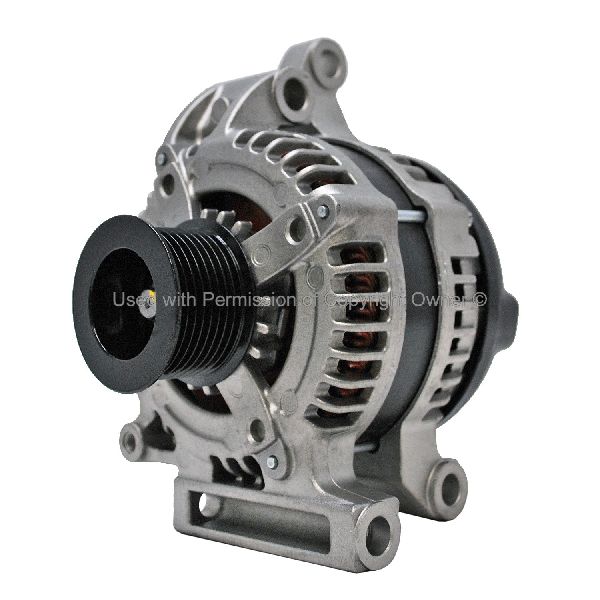
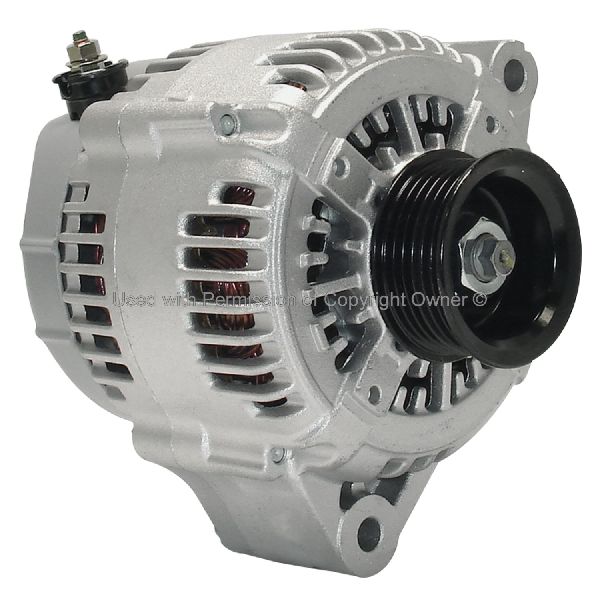
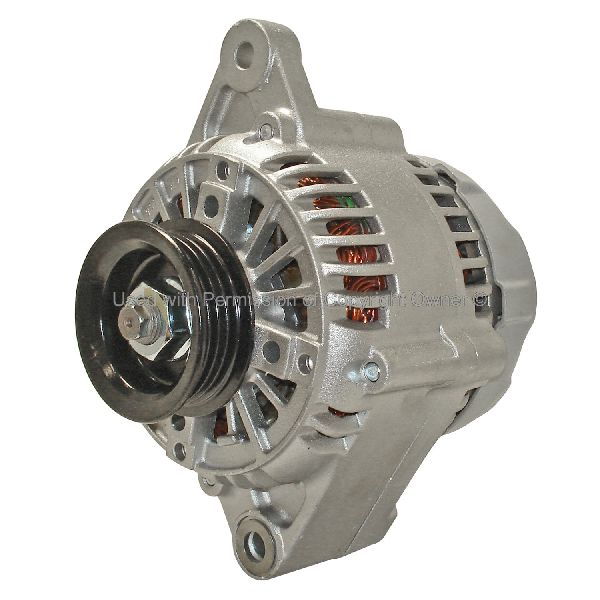
When replacing your Tundra's alternator, you have a choice between OEM and a wide range of aftermarket brands. For this truck, the original part is made by Denso, which is known for excellent quality and longevity. Many owners report the original Denso alternators lasting well over 150,000 miles. Aftermarket parts can offer significant savings, but quality varies greatly.
Brand Quality Tiers
Not all aftermarket brands are created equal. Here’s how they generally stack up for your Tundra:
- Premium Aftermarket (OEM Quality): Brands like Denso (offered as an aftermarket part), Bosch, and ACDelco (Professional series) are your best bet for reliability that rivals the original part. A remanufactured unit from Denso is often considered a better choice than a new unit from a budget brand.
- Mid-Grade Aftermarket: Brands like Remy fall into this category. They are generally considered a standard replacement quality and offer a balance of price and reliability.
- Economy Aftermarket: This tier includes brands like WAI Global, Skyward, and other private labels. While the price is attractive, owner reviews are very mixed. Reports of whining noises, early bearing failure, and even units being dead on arrival are more common with these brands. They can be a viable option if budget is the top priority, but be aware of the potential for a shorter service life.
Check Your Amperage
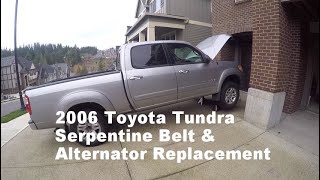
The 2000-2010 Tundra came with different engines and electrical demands. First-generation models (2000-2006) with the 4.7L V8 often used a 100-amp alternator. 🎬 See this step-by-step replacement for the 4.7L V8 engine Second-generation models (2007-2010) with the 5.7L V8 typically use a 130-amp or 150-amp unit. Always confirm the correct amperage for your specific truck before ordering. Using an alternator with lower amperage than required can lead to charging problems.
Cost of Replacing a Toyota Tundra Alternator
The cost depends on the part you choose and whether you do the work yourself. The replacement is a labor-intensive job due to the alternator's tight location.
| Item | Estimated Cost |
|---|---|
| New Aftermarket Part | $67 - $424 |
| New OEM Part (Dealer) | $250 - $450+ |
| Remanufactured OEM/Premium | $150 - $300 |
| Shop Labor | $300 - $600 |
| Total Professional Replacement | $450 - $1000+ |
Cost estimates are based on market research and may vary by location and vehicle specifics.
Frequently Asked Questions
Is replacing the alternator on a Tundra a DIY job?
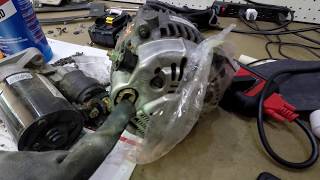
For most home mechanics, this is a difficult job. It is rated as moderate to hard, taking 2-5 hours. Access is very tight on both the 4.7L and 5.7L V8 engines, and it requires moving the power steering pump out of the way. If you are not comfortable working in tight spaces, it's best to leave this to a professional.
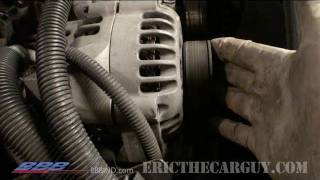
🎬 Watch: Testing and replacing the alternator on 5.7L modelsAre there any recalls on the 2000-2010 Tundra alternator?
No. Searches of the National Highway Traffic Safety Administration (NHTSA) database show no specific recalls for the alternator on this generation of Tundra. Recalls for these model years typically concern frame rust or airbags.
Should I buy a new or remanufactured alternator?
A remanufactured alternator from a top-tier brand like Denso or Bosch is an excellent choice, often providing OEM quality at a lower price. A new alternator from a budget brand might be cheaper but carries a higher risk of defects and early failure.
What is a core charge?
Many remanufactured alternators have a core charge (e.g., $75). This is a deposit that you get back when you return your old, failed alternator to the seller. This allows the manufacturer to rebuild it for a future customer.
Helpful Videos
Technical Specifications
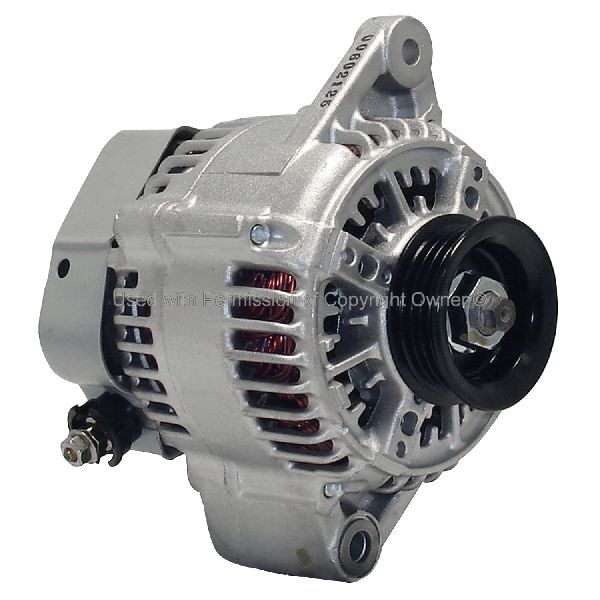
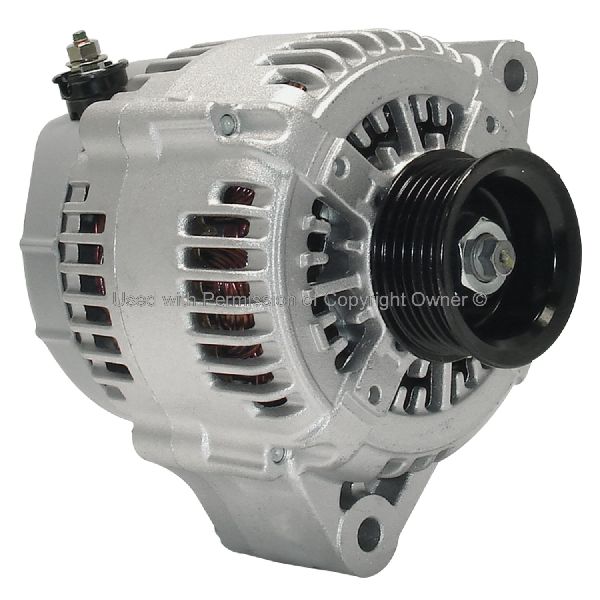
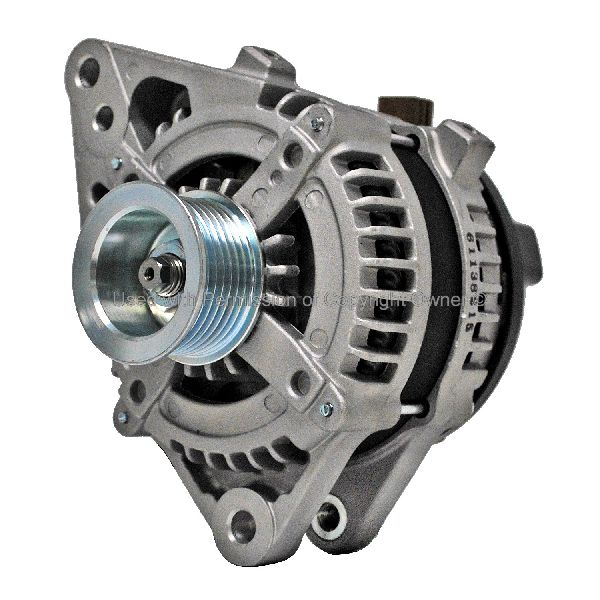
OEM Part Numbers: 27060-50300-84 27060-0F060-84 27060-0S020
Amperage: 100A, 130A, or 150A depending on engine and model year. Voltage: 12V. Pulley: 7-Groove or 8-Groove Serpentine.
We Have This Part in Stock

The information in this article is provided for general reference and educational purposes only. Vehicle specifications, procedures, and part compatibility can vary by production date, trim level, and region. Always consult your vehicle's factory service manual and verify part numbers before purchasing or performing repairs. Safety-critical components such as airbags, seat belts, and braking systems should be installed by a qualified professional.
- Toyota Tundra: