

Choosing the Right Transmission Filter Kit for Your 2000-2011 Dodge Dakota
Keep your Dakota's automatic transmission shifting smoothly by understanding which filter kit you need and why it matters.
- First, confirm your transmission type (42RLE vs 45RFE/545RFE) using your VIN to ensure you buy the correct kit.
- If you have a V8, you almost certainly need the dual-filter kit for the 45RFE/545RFE transmission.
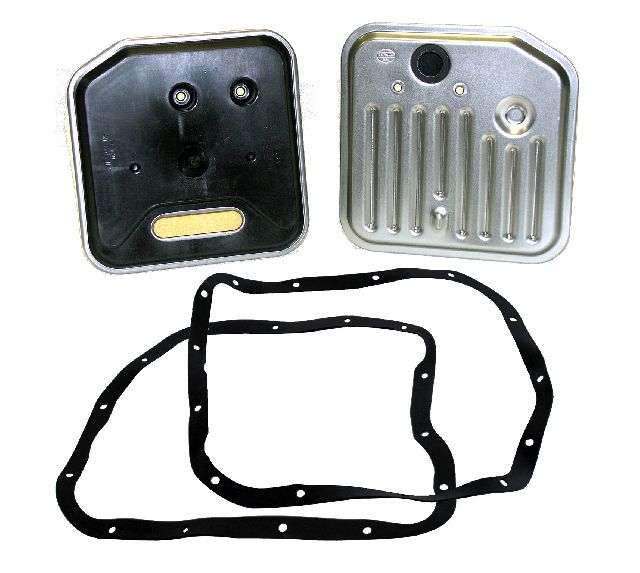
- Choose a kit with a quality rubber gasket for an easier, leak-free installation without the long cure time of RTV sealant.
- Always use ATF+4 certified transmission fluid to avoid shifting problems and potential damage.
Why Your Transmission Filter Matters

The automatic transmission in your Dodge Dakota works hard. To keep it from wearing out, a filter (or two) cleans the fluid that circulates inside. This fluid cools, lubricates, and provides the pressure needed to shift gears. A clogged filter can starve the transmission of clean fluid, leading to poor performance and expensive damage. For many models, service is recommended every 30,000 miles, especially if you tow.
Which Transmission Do You Have? It's Critical.

The most important step is to identify which automatic transmission is in your truck. The 2000-2011 Dakota used a few different types, and they do not use the same filter kits.
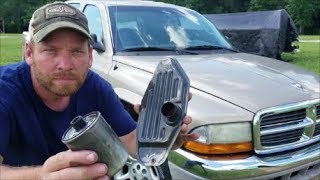
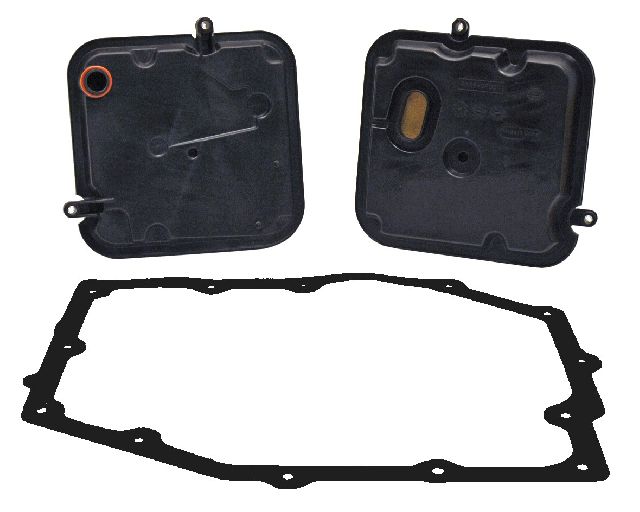
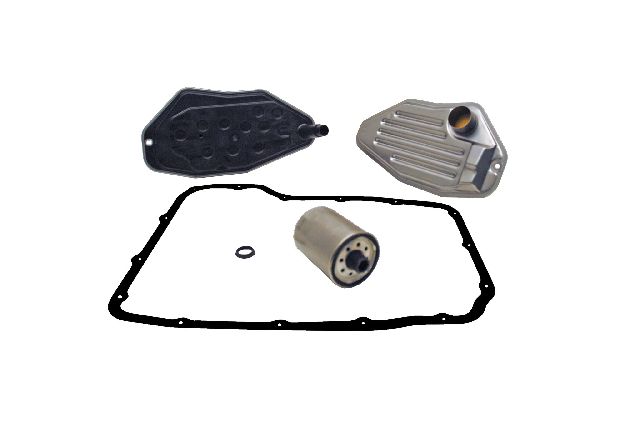
- 45RFE / 545RFE: Typically found with the 4.7L V8 engine (and some early 3.9L models), this is a heavy-duty unit. Its defining feature is having two filters: a flat sump filter inside the pan and a screw-on spin-on filter. Kits for this transmission must include both filters.
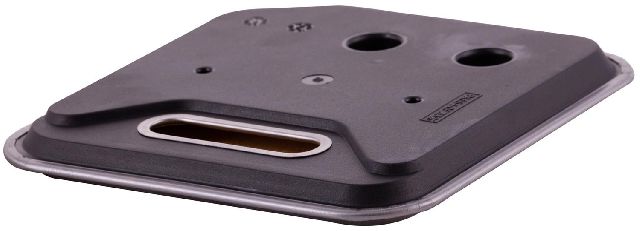
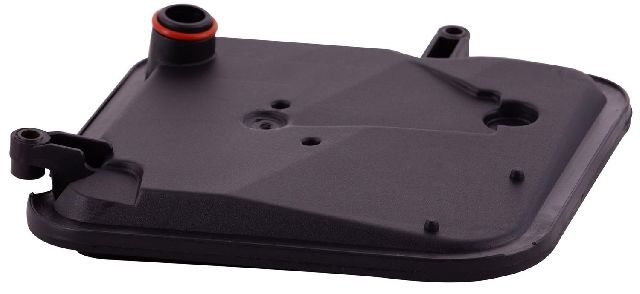
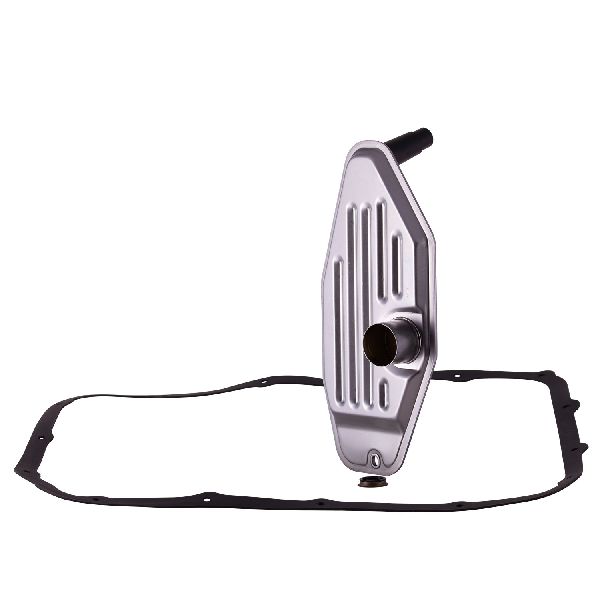
- 42RE / 42RLE: Generally paired with the 3.9L V6 and later 3.7L V6 engines. These transmissions use a single flat sump filter inside the pan.
Pro Tip: The easiest way to know for sure is to call a dealership with your Vehicle Identification Number (VIN). They can tell you exactly which transmission your truck was built with. You can also count the bolts on your transmission pan, as parts stores often use this to identify the correct kit.
Warning: A Common Mistake
Ordering a single-filter kit for a 45RFE/545RFE transmission is a frequent error. If your truck has the V8, double-check that you are buying a kit that explicitly includes both the sump filter and the spin-on filter.
🎬 See a step-by-step guide for servicing the 45RFE and 545RFE transmissions.Symptoms of a Clogged Transmission Filter

If your filter is clogged, your truck will let you know. Watch out for these signs:
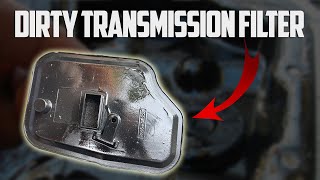
🎬 Watch this video to see common symptoms of a bad filter.- Delayed or Rough Shifting: The truck may hesitate or jerk when shifting gears, especially from first to second.
- Whining or Rattling Noises: A struggling filter can cause whining sounds, and loose debris can rattle.
- Leaking Fluid: Increased pressure from a clog can cause gaskets to fail and leak red transmission fluid.
- Burnt Smell: If the fluid can't circulate properly, it can overheat and burn, creating a distinct smell.
- Limp Mode: In some cases, the truck's computer may force the transmission into a single gear (often second) to prevent further damage, sometimes triggering a P0700 code.
Choosing the Right Aftermarket Kit

When shopping for an aftermarket kit, you'll find a range of quality and prices. OEM Mopar parts are a safe bet, but quality aftermarket brands can offer good value. Here's what to look for:
- Brand Reputation: Brands like Wix are well-regarded in the filter industry for quality and are often considered a strong aftermarket choice. ATP is another common brand that many owners use successfully.
- Gasket Material: Kits come with either a cork or a rubber pan gasket. While factory pans are often sealed with RTV sealant, many mechanics and DIYers prefer rubber gaskets for their reusability and reliable seal. Some ATP kits feature a "third hand" gasket with smaller bolt holes to hold it in place during installation.
- Filter Type: For 45RFE/545RFE transmissions, ensure the spin-on filter has an anti-drainback valve to prevent fluid from draining out of the torque converter when the engine is off. This is a key feature where OEM or premium aftermarket brands often have an edge.
Frequently Asked Questions (FAQ)
How often should I change my Dakota's transmission filter?
For severe service, like towing, the recommendation is often every 30,000 miles. For normal use, changing the fluid and filter(s) every 30,000 to 60,000 miles is a good practice to ensure a long transmission life.
What kind of fluid does my Dodge Dakota need?
Always use a fluid that meets the Chrysler ATF+4 specification. Using the wrong fluid type can cause shifting problems and damage the transmission. This is critical.
Is it hard to change the transmission filter myself?
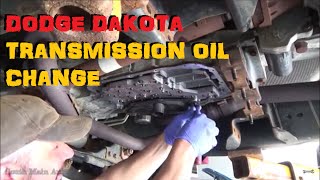
For a home mechanic with the right tools, it's a manageable job. It's messy, as dropping the pan will spill fluid. You'll need a torque wrench to properly tighten the pan bolts, which is very important to prevent leaks. 🎬 Follow this walkthrough to change your Dakota's transmission fluid and filter. The 45RFE/545RFE with two filters is slightly more involved but still very doable.
Should I use a rubber gasket or RTV sealant?
The factory uses RTV sealant, which provides a great seal but requires careful cleaning of both surfaces and a 24-hour cure time before adding fluid. Many aftermarket kits come with a rubber or composite gasket, which is easier to install, requires no cure time, and can often be reused. For most DIYers, a quality rubber gasket is the more convenient choice.
Helpful Videos
Technical Specifications
OEM Part Numbers: 5015267AD J8126768
Kit must be specific to the transmission type: 42RE/42RLE (single sump filter) or 45RFE/545RFE (sump filter and spin-on filter). Fluid must meet ATF+4 specification.
We Have This Part in Stock

The information in this article is provided for general reference and educational purposes only. Vehicle specifications, procedures, and part compatibility can vary by production date, trim level, and region. Always consult your vehicle's factory service manual and verify part numbers before purchasing or performing repairs. Safety-critical components such as airbags, seat belts, and braking systems should be installed by a qualified professional.
- Dodge Dakota:
- 🎬 Helpful Videos
- 🛍️ Shop This Part
- Why Your Transmission Filter Matters
- Which Transmission Do You Have? It's Critical.
- Warning: A Common Mistake
- Symptoms of a Clogged Transmission Filter
- Choosing the Right Aftermarket Kit
- How often should I change my Dakota's transmission filter?
- What kind of fluid does my Dodge Dakota need?
- Is it hard to change the transmission filter myself?
- Should I use a rubber gasket or RTV sealant?
- 🎟️ Get 5% Off