

A Guide to the Engine Coolant Bypass Hose on Your 2000-2011 Subaru Outback
Understanding this small but critical hose can help you prevent overheating and costly engine repairs.
- Address any signs of coolant leaks immediately to prevent overheating and catastrophic engine damage.
- High-quality aftermarket brands like Gates, Continental, and Dayco offer a reliable and cost-effective alternative to OEM hoses.
- Always replace hose clamps when installing a new hose to ensure a secure, leak-free seal.
- Consider replacing other coolant hoses, like the main radiator hoses, at the same time as preventative maintenance.
Signs of a Failing Coolant Bypass Hose
Like any rubber component exposed to heat and pressure, the engine coolant bypass hose will wear out over time. Ignoring the symptoms can lead to serious engine damage from overheating. Be on the lookout for these warning signs:
- Visible Coolant Leaks: This is the most common symptom. You may notice small drips or puddles of green or blue coolant under your vehicle, especially towards the front of the engine. The hose itself might look wet or have crusty, colorful deposits around the clamps.
- Sweet Smell: If you smell something sweet, like maple syrup, coming from your engine bay after a drive, it's likely burning coolant. A small leak from the bypass hose can drip onto hot engine parts and create this distinct odor.
- Low Coolant Level: A slowly leaking bypass hose can cause your coolant level in the overflow tank to drop over time, forcing you to top it off frequently.
- Engine Overheating: This is the most critical symptom. If the hose fails completely, it will cause a rapid loss of coolant, leading to your engine's temperature gauge spiking into the red. You might also see steam coming from under the hood.
Overheating is an Emergency
If your temperature gauge enters the red or you see steam, pull over immediately and shut off the engine. Driving an overheating car for even a few minutes can cause permanent engine damage, such as a warped cylinder head or blown head gasket.
Choosing the Right Aftermarket Bypass Hose
For a part like a coolant hose, you don't necessarily need to buy from the Subaru dealer (OEM). High-quality aftermarket brands offer excellent performance and durability, often at a better price. The key is choosing a reputable brand that uses quality materials and precision molding for a perfect fit.
Brand Quality Tiers
- Premium Aftermarket (Gates, Continental): Gates is a highly respected name in the automotive world, known for making hoses that meet or exceed OEM specifications. They are often considered a top-tier choice by professional mechanics. Continental (sometimes branded as ContiTech) is another excellent German brand known for its quality rubber products. Both are trusted for their precise fit and durability.
- Standard Aftermarket (Dayco, ACDelco): Dayco and ACDelco are reliable brands that offer a great balance of quality and value. While some mechanics have preferences based on past experiences with fitment, both brands are widely used and considered a solid choice for a daily driver. For a simple bypass hose, these brands provide a dependable and affordable repair.
Pro Tip: Replace the Clamps
Always replace the old hose clamps when you install a new hose. Spring-style clamps can lose tension over time, and worm-gear clamps can rust or damage the new hose if over-tightened. New clamps are inexpensive and ensure a leak-free seal.
Cost of Replacing the Engine Coolant Bypass Hose
The cost to replace the bypass hose is relatively low, but ignoring it can lead to much more expensive repairs. Here is a breakdown of what you can expect to pay.
| Part or Service | Estimated Cost |
|---|---|
| New Aftermarket Hose (ACDelco, Continental, Dayco, Gates) | $11.61 - $80.54 |
| New OEM Subaru Hose | $15.00 - $40.00+ |
| Shop Labor | $90 - $180 |
Frequently Asked Questions (FAQ)
What does the engine coolant bypass hose do?
It allows a small amount of engine coolant to circulate when the main thermostat is closed, which typically happens when the engine is cold. This helps the engine warm up evenly and provides coolant flow to components like the throttle body to prevent icing in cold weather.
Is an OEM Subaru hose better than aftermarket for this part?
For a simple rubber hose, a quality aftermarket part from a brand like Gates, Continental, or Dayco is perfectly acceptable and often more affordable. While some people prefer the guaranteed fit of OEM, reputable aftermarket brands manufacture their hoses to match original specifications.
How difficult is it to replace the bypass hose myself?
For a moderately experienced DIYer, this is a manageable job. It typically requires draining some coolant, accessing the hose (which may involve removing the air intake duct), and using pliers to release the clamps. The difficulty is rated as a 2 out of 5. Ensure the engine is completely cool before starting.
Should I replace other hoses at the same time?
Yes, it's a good idea. If the bypass hose has failed due to age and heat exposure, your main upper and lower radiator hoses are likely nearing the end of their life too. Replacing all accessible coolant hoses at once is smart preventative maintenance and can save you from another breakdown down the road.
Are there any recalls for this part on my 2000-2011 Outback?
Searches on the NHTSA database did not show any specific recalls for the engine coolant bypass hose on the 2000-2011 Subaru Outback. There was a recall for a CVT cooler hose on some 2010 models, but this is a different part. Always check for Technical Service Bulletins (TSBs), as Subaru has issued them for other cooling system components on similar models.
Technical Specifications
OEM Part Numbers: 807615081 14065AA320 14065AA240
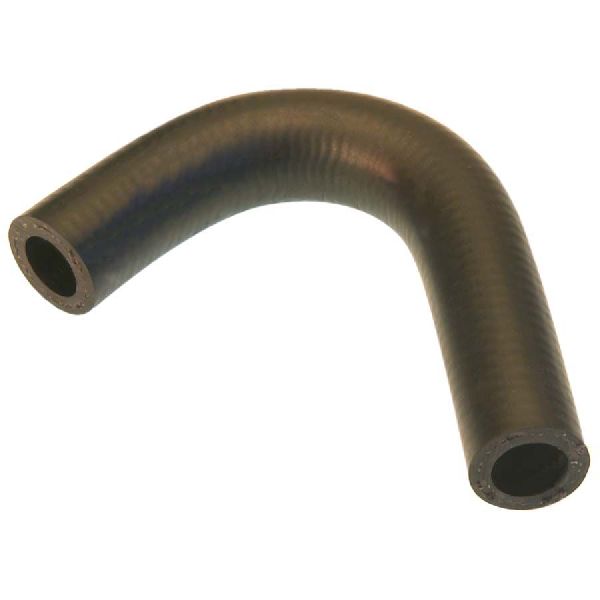
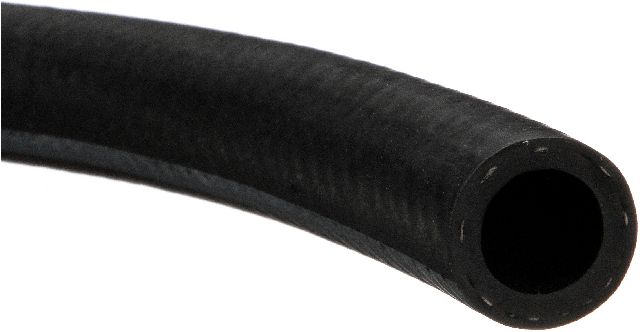
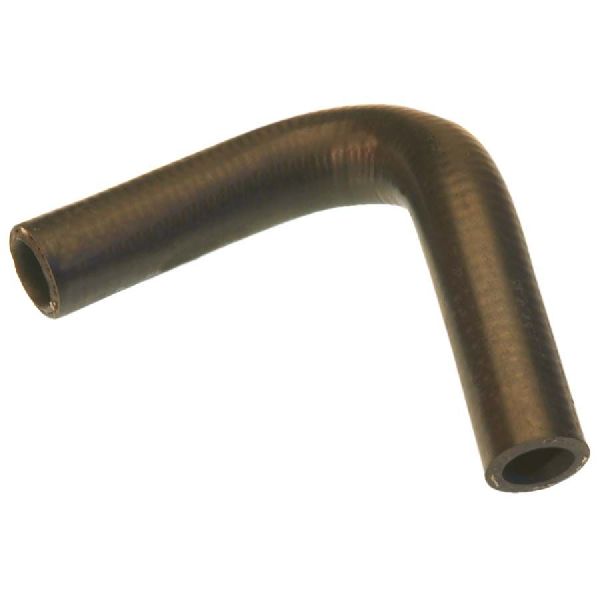
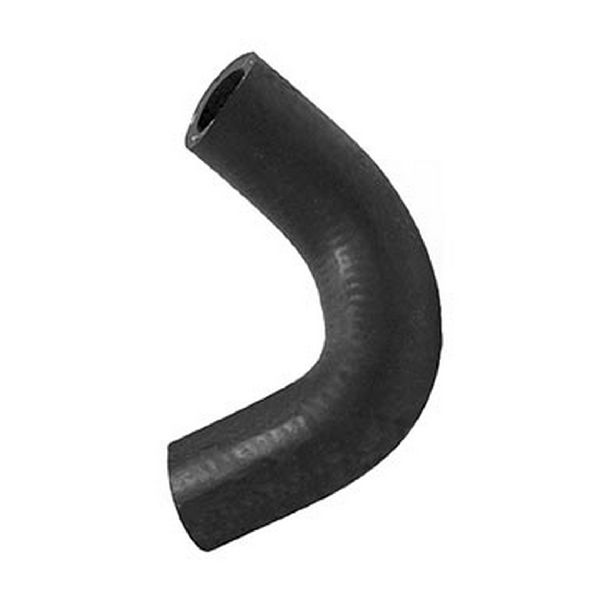
The hose is typically made from molded EPDM (ethylene propylene diene monomer) rubber to resist heat, ozone, and chemical degradation from engine coolant. It is pre-shaped to fit the specific routing between components like the thermostat housing, water pipe, or throttle body on 2.5L and 3.6L Subaru Outback engines.
We Have This Part in Stock


The information in this article is provided for general reference and educational purposes only. Vehicle specifications, procedures, and part compatibility can vary by production date, trim level, and region. Always consult your vehicle's factory service manual and verify part numbers before purchasing or performing repairs. Safety-critical components such as airbags, seat belts, and braking systems should be installed by a qualified professional.
- Subaru Outback: