

Volvo S40 Engine Coolant Temperature Sensor Guide (2000-2011)
Understanding the signs of a failing coolant sensor can save you from poor performance and bad fuel economy.
- A bad ECT sensor often causes poor fuel economy, rough running, and a Check Engine Light with codes P0115, P0117, or P0118.
- The sensor is located on the thermostat housing and is a simple DIY replacement for most owners, taking less than an hour.
- Consider replacing the thermostat at the same time, as a bad thermostat can mimic the symptoms of a failed sensor.
- High-quality aftermarket brands like Delphi or Beck Arnley offer a reliable, cost-effective alternative to more expensive Genuine Volvo parts.
Is a Bad Coolant Sensor Causing Your S40's Problems?
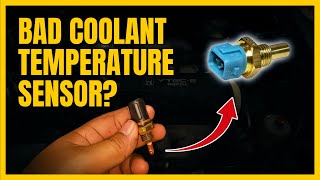
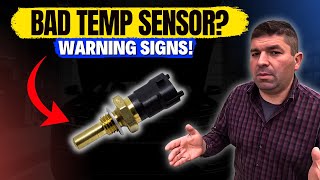
A failing Engine Coolant Temperature (ECT) sensor can cause a surprising number of issues that might seem unrelated. Because the sensor's reading affects so many engine functions, a bad signal can make the car's computer (ECU) make poor decisions. This can lead to everything from bad gas mileage to a check engine light. 🎬 Watch: 8 common symptoms of a failing coolant sensor. It's a common issue, but luckily, it's a relatively simple and inexpensive fix.
Don't Mistake a Bad Thermostat for a Bad Sensor
Sometimes, a check engine light for the ECT sensor is actually caused by a faulty thermostat that is stuck open. The ECU expects the engine to warm up at a certain rate. If the thermostat is stuck open, coolant circulates too soon, and the engine warms up too slowly, which can trigger a sensor-related code. It's common practice to replace both the thermostat and the sensor at the same time since they are located together and the cooling system is already open.
🎬 See how to replace the sensor and thermostat together.Choosing the Right Aftermarket Sensor for Your S40
When your ECT sensor fails, you have a choice between Genuine Volvo parts and a wide range of aftermarket options. While a Genuine part is always a safe bet, high-quality aftermarket brands can offer similar performance and reliability for a lower price. Here’s a breakdown of your options:
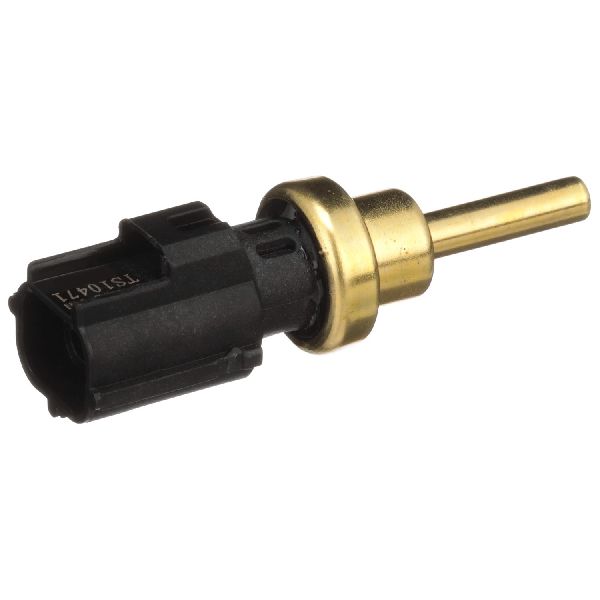
- Premium Aftermarket (OEM-Equivalent): Brands like Delphi and Vemo often manufacture parts for carmakers, including Volvo. Choosing one of these brands can sometimes get you the same part that came in the Volvo box, but for less money. They are known for high-quality materials and precise readings.
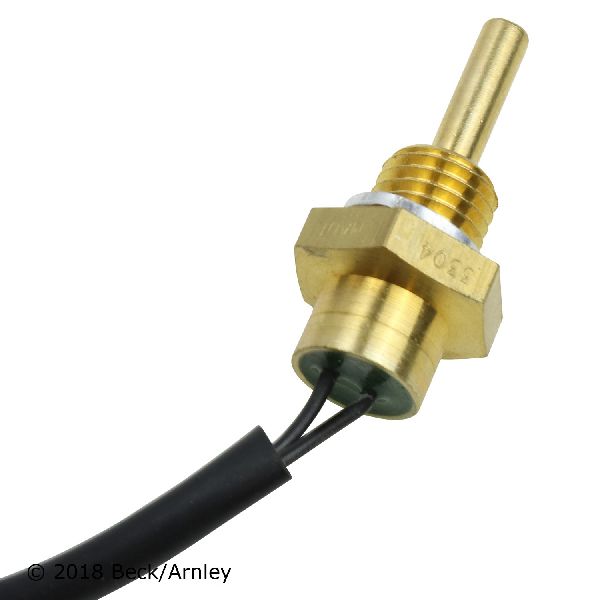
- Trusted Aftermarket: Brands such as Beck Arnley, Standard Ignition (SMP), and Walker Products have a long-standing reputation for producing reliable replacement parts that fit and function correctly. They provide a good balance of quality and value.
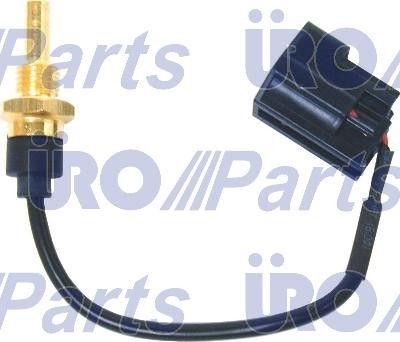
- Value-Oriented: Brands like URO Parts and Facet offer a more budget-friendly option. While they meet basic specifications, some owner experiences suggest they might not have the same long-term durability as premium brands. One owner who purchased a low-cost aftermarket part experienced a quick failure and recommended buying the dealer part instead.
Pro Tip: Check the Part Number and Color
Volvo used different sensors across the S40's production run. The first generation (2000-2004) and second generation (2004.5-2011) may use different parts. Always verify the OEM part number for your specific vehicle. Common OEM numbers include 9125463 and 30650752. Visually matching your old sensor to the new one is also a good idea.
Cost of Replacing the Engine Coolant Temperature Sensor
| Part Type | Estimated Cost |
|---|---|
| New Aftermarket | $21 - $79 |
| New OEM (Genuine Volvo) | $35 - $90 |
| Shop Labor | $103 - $151 |
| Total Professional Replacement | $301 - $349 |
Frequently Asked Questions
Where is the ECT sensor located on a 2000-2011 Volvo S40?
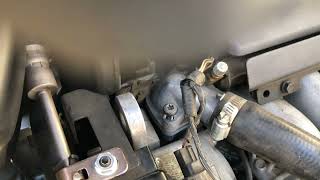
The sensor is typically located on the thermostat housing. On most S40 engines, you can find this by following the upper radiator hose to where it connects to the engine. The sensor screws into the housing, usually just below the thermostat itself.
Can I replace the ECT sensor myself?
Yes, this is a very DIY-friendly job for someone with basic tools. The process involves unplugging the electrical connector, unscrewing the old sensor, and quickly installing the new one. You will lose a small amount of coolant, so have a drain pan ready and some extra Volvo-spec coolant to top it off. The entire job usually takes less than an hour.
🎬 Watch this step-by-step sensor replacement walkthrough for the S40.What happens if I don't replace a bad coolant sensor?
Ignoring a bad sensor will lead to persistent problems like poor fuel economy, rough idling, and a constant check engine light. In a worst-case scenario, if the sensor fails to signal an overheating condition, the cooling fans may not turn on, putting your engine at risk of serious damage from overheating.
Are there any recalls for the Volvo S40 coolant temperature sensor?
No specific recalls were found for the Engine Coolant Temperature Sensor on the 2000-2011 Volvo S40. Searches of NHTSA data did not show a recall for this specific component and model range. Always check for recalls on your specific vehicle using its VIN on the NHTSA website.
Helpful Videos

Technical Specifications
OEM Part Numbers: 9125463 30650752 31339941
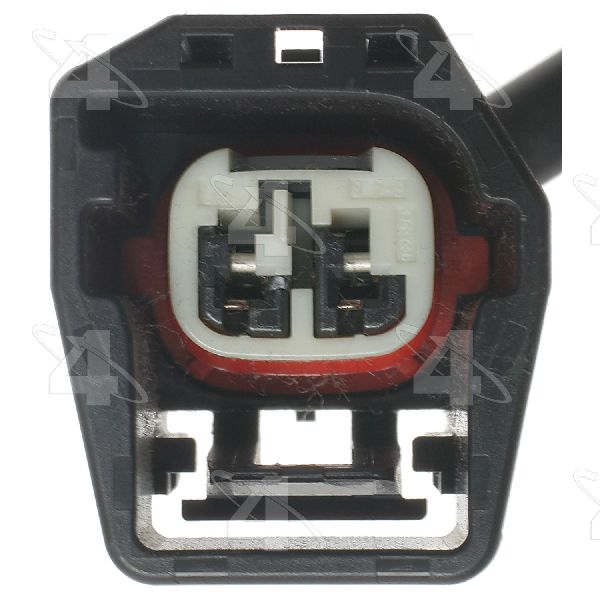
The sensor is a negative temperature coefficient (NTC) thermistor. Its resistance changes with coolant temperature, sending a variable voltage signal to the ECU. It typically has a 2-pin connector.
We Have This Part in Stock


The information in this article is provided for general reference and educational purposes only. Vehicle specifications, procedures, and part compatibility can vary by production date, trim level, and region. Always consult your vehicle's factory service manual and verify part numbers before purchasing or performing repairs. Safety-critical components such as airbags, seat belts, and braking systems should be installed by a qualified professional.
- Volvo S40:
- 🎬 Helpful Videos
- 🛍️ Shop This Part
- Is a Bad Coolant Sensor Causing Your S40's Problems?
- Don't Mistake a Bad Thermostat for a Bad Sensor
- Choosing the Right Aftermarket Sensor for Your S40
- Pro Tip: Check the Part Number and Color
- Cost of Replacing the Engine Coolant Temperature Sensor
- Frequently Asked Questions
- 🎟️ Get 5% Off