

A/C Compressor Replacement Guide for the 2000-2013 Honda Accord
If your Accord's A/C is blowing warm, this guide will help you choose the right new aftermarket compressor to get it cold again.
- Denso is the OEM supplier and the most recommended brand for reliability and performance in a Honda Accord.
- Always replace the receiver/drier and expansion valve with the compressor to prevent premature failure and ensure warranty coverage.
- If the old compressor failed internally ('black death'), the entire system must be flushed and the condenser replaced to avoid destroying the new part.
- This is not a beginner DIY job; it requires special equipment to handle refrigerant legally and safely.
Is Your Accord's A/C Ready for Summer?
A failing A/C compressor is a common issue on the 2000-2013 Honda Accord, especially for the 7th generation (2003-2007). When it fails, you're left with warm air and a frustrating drive. This guide will walk you through the symptoms of a bad compressor and help you choose the best new aftermarket replacement for your specific Accord.
Symptoms of a Failing A/C Compressor

Watch for these signs that your compressor is on its way out:
- A/C Blows Warm Air: This is the most obvious symptom. If the system is charged with refrigerant but the air isn't cold, the compressor may not be engaging or pumping effectively.
- Loud Noises When A/C is On: Grinding, squealing, or clicking sounds that start when you turn on the A/C point to internal compressor problems or a failing clutch.
- Visible Leaks: The compressor has seals that can fail over time, leading to refrigerant and oil leaks. You might see a greasy residue on the compressor body.
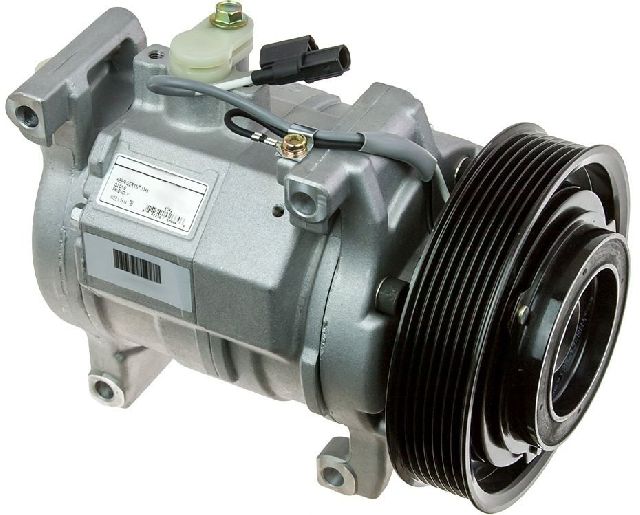
- Compressor Clutch Doesn't Engage: The outer part of the compressor pulley should spin with the belt, but the center plate only engages when the A/C is on. If it never clicks in, it could be a bad clutch, relay, or the compressor itself.
Catastrophic Failure: "Black Death"
A major concern with these compressors is a catastrophic internal failure, often called "black death." This is when the compressor grenades internally, sending metal shavings and debris throughout the entire A/C system. If this happens, you can't just replace the compressor. You must also replace the condenser, receiver/drier, and expansion valve, and thoroughly flush all the A/C lines to prevent the new compressor from failing immediately. Ignoring this will lead to a costly repeat repair.
Choosing the Right Aftermarket A/C Compressor

When shopping for a new aftermarket compressor, quality matters. A cheap, low-quality unit can fail quickly, costing you more in the long run. Here’s a breakdown of the available brands to help you decide.
Tier 1: OEM Quality
- Denso: Denso is the original equipment manufacturer (OEM) for Honda's A/C systems. Choosing a new Denso compressor is the safest bet for factory-level performance, fit, and durability. Forum members and mechanics consistently recommend Denso as the top choice for a replacement that will last.
- Valeo: Valeo is another respected OEM supplier for many car brands. Their compressors are built to high standards and are a solid alternative to Denso if available for your model year.
Tier 2: Reputable Aftermarket
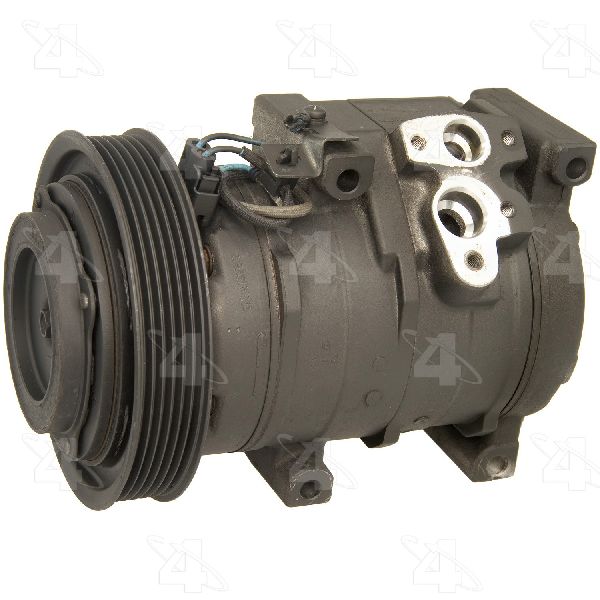
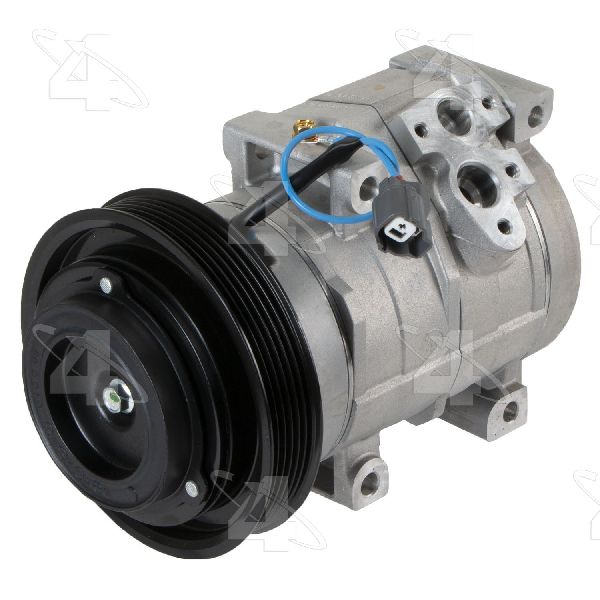
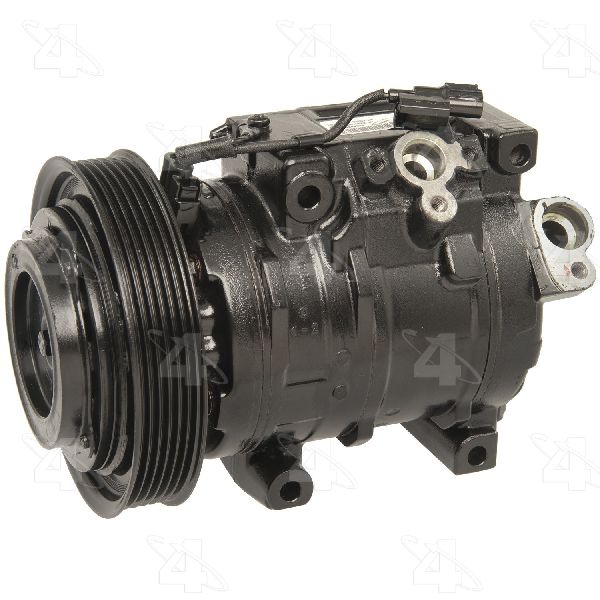
- Four Seasons (4-Seasons): This is a very common aftermarket brand. However, owner experiences are mixed. Some have had success, while others report failures just outside the warranty period. If choosing Four Seasons, opt for a new unit over a remanufactured one for better reliability.
- Nissens: Nissens is a well-known European brand that specializes in climate control and engine cooling parts. They are generally considered a good quality aftermarket option.
Tier 3: Economy Options
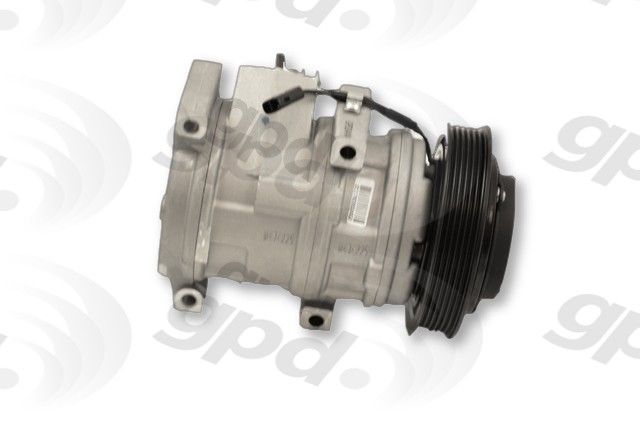
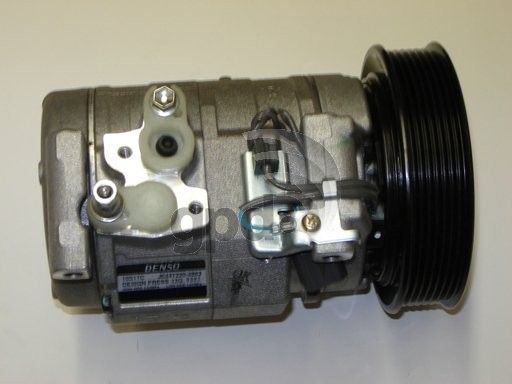
- Global Parts Distributors (GPD), Replacement: These brands offer a more budget-friendly price point. While they can be a viable option if cost is the primary concern, their long-term durability may not match that of the higher-tier brands. Be aware that the risk of premature failure is higher.
Always Replace as a Kit
To ensure your new compressor lasts and to validate its warranty, you MUST replace other key components at the same time. This includes the A/C Receiver/Drier (also called an accumulator) and the Expansion Valve. The drier contains a desiccant that removes moisture from the system, and it becomes saturated once the system is opened. Failing to replace it will cause the new compressor to fail. Many aftermarket brands sell kits that include these necessary parts.
Honda Accord A/C Compressor Cost (2000-2013)

Prices can vary based on your Accord's year, engine (4-cylinder vs. V6), and the brand you choose.
| Part Type | Estimated Cost |
|---|---|
| New Aftermarket Compressor | $222 - $617 |
| New OEM (Dealer) Compressor | $708 - $1,121 |
| Shop Labor for Replacement | $295 - $714 |
| Total Professional Job (Aftermarket Part) | $1,004 - $1,554 |
Frequently Asked Questions
Can I replace the A/C compressor myself?
This is an advanced DIY job. While mechanically straightforward, it requires specialized equipment to safely and legally recover old refrigerant and then vacuum and recharge the system. Improper handling of refrigerant is harmful to the environment. For most owners, professional installation is recommended.
Do I need to flush the A/C system?
Yes, absolutely. Especially if your old compressor failed internally, you must flush the evaporator and A/C lines to remove any metal debris or contaminants. Skipping this step will destroy your new compressor. Do not flush the new compressor, condenser, or expansion valve.
Are there any recalls for the A/C compressor on my Accord?
No recalls were found for the A/C compressor on 2000-2013 Honda Accords. However, there was a Technical Service Bulletin (TSB 603) for the 2003 model related to poor A/C performance. Later model Accords (2018-2020) had a warranty extension for leaking A/C condensers, highlighting Honda's issues with A/C components.
What is an A/C compressor clutch and can I just replace that?
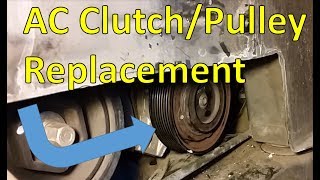
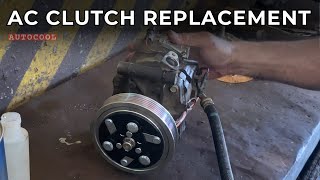
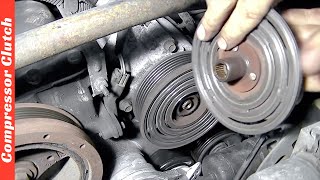
The clutch is a component on the front of the compressor that engages and disengages it. Sometimes, only the clutch fails. On 7th-gen Accords, a common issue is the air gap on the clutch becoming too large, preventing it from engaging. While replacing just the clutch is possible and cheaper, it can be difficult to do with the compressor on the car and is often just as labor-intensive as replacing the whole unit. Given the risk of internal compressor failure, replacing the entire assembly is often the safer repair.
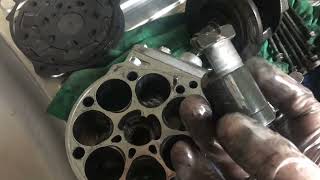
Helpful Videos


Technical Specifications
OEM Part Numbers: 38810-RCA-A01 38810-RDA-A01 38810-RAA-A01 38810-PND-006 38810-5G0-A01
Compressor type varies by engine and generation (e.g., 10S17C, 10SRE18C). Always verify fitment by vehicle year and engine size (2.4L L4 or 3.0L/3.5L V6). Uses R134a refrigerant and PAG 46 or PAG 100 oil, depending on the specific compressor model.
We Have This Part in Stock

The information in this article is provided for general reference and educational purposes only. Vehicle specifications, procedures, and part compatibility can vary by production date, trim level, and region. Always consult your vehicle's factory service manual and verify part numbers before purchasing or performing repairs. Safety-critical components such as airbags, seat belts, and braking systems should be installed by a qualified professional.
- Honda Accord:
- 🎬 Helpful Videos
- 🛍️ Shop This Part
- Is Your Accord's A/C Ready for Summer?
- Symptoms of a Failing A/C Compressor
- Catastrophic Failure: "Black Death"
- Choosing the Right Aftermarket A/C Compressor
- Tier 1: OEM Quality
- Tier 2: Reputable Aftermarket
- Tier 3: Economy Options
- Always Replace as a Kit
- Honda Accord A/C Compressor Cost (2000-2013)
- Frequently Asked Questions
- 🎟️ Get 5% Off