

GMC Yukon A/C Condenser Guide: 2000-2014 Models
Your Yukon's A/C isn't blowing cold? Here’s what you need to know before replacing the condenser.
- The most common cause of condenser failure on the 2000-2014 Yukon is damage from road debris.
- Symptoms include weak/warm A/C, total cooling loss, or visible oily residue on the part itself.
- You must replace the receiver/drier anytime the A/C system is opened to prevent future damage.
- The job requires special equipment to recover and recharge refrigerant, so a DIY replacement still needs a shop's help.
Is Your Yukon's A/C Blowing Warm?
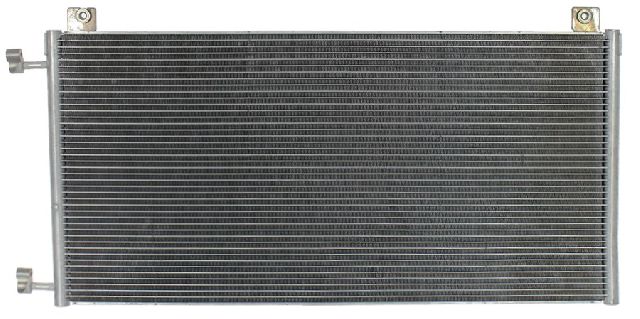
If your GMC Yukon's air conditioning is getting weak or just blowing warm air, a failing A/C condenser is a likely suspect. Because it's located at the very front of the vehicle, it's easily damaged by rocks and road debris. This is the most common reason for failure on the 2000-2014 models. Over time, leaks can also develop from simple wear and tear.
Common Symptoms of a Bad A/C Condenser:
- Weak or Warm Air: This is the number one sign. The cooling performance is often worse when you're stopped in traffic and gets slightly better when you're moving at higher speeds.
- A/C System Stops Working Completely: A large leak will let all the refrigerant escape. Your Yukon's A/C system has pressure sensors that will shut the compressor off if the refrigerant level is too low to prevent damage.
- Visible Oily Residue: The refrigerant in your A/C system is mixed with a special oil. If you see a greasy, oily film on the fins of the condenser, it's a sure sign of a leak. Sometimes shops add a UV dye to the system, which makes leaks show up as a bright green color under a blacklight.
Known Issue for 2014 Models
For early 2015 models and some late 2014 models, General Motors issued a Technical Service Bulletin (TSB PIT5331) for a potential crack in the A/C line that connects to the condenser. This can cause a refrigerant leak that is hard to spot. While most 2000-2013 models fail from road damage, this is a specific issue to be aware of if you own a 2014 Yukon.
Choosing the Right Aftermarket Condenser
You don't have to buy an expensive OEM part from the dealer. Many aftermarket brands offer excellent quality and value. Here’s a breakdown of the brands available:
- Premium Aftermarket (OEM Quality): Brands like Denso and ACDelco are major suppliers to automakers. Denso is known for building parts that fit and perform just like the original. ACDelco is GM's official parts brand, offering parts that meet factory specifications.
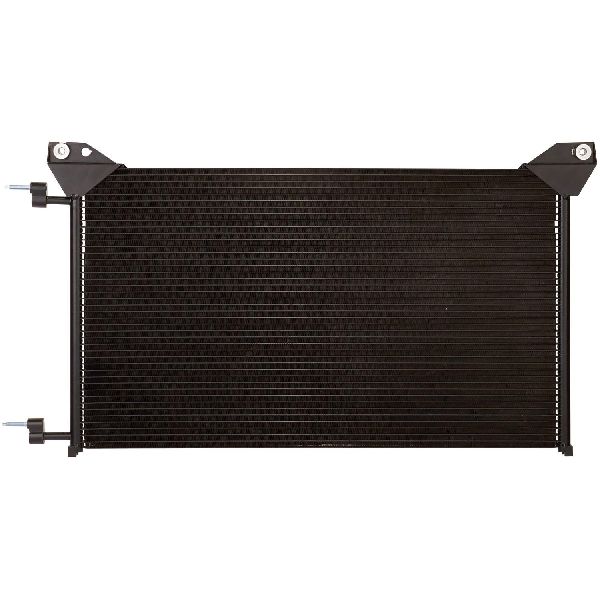
- Quality Aftermarket: Brands like Spectra Premium and CSF Radiator offer a great balance of performance and price. They are known for good build quality and are a popular choice for daily drivers. Some users have reported positive experiences with Spectra units.
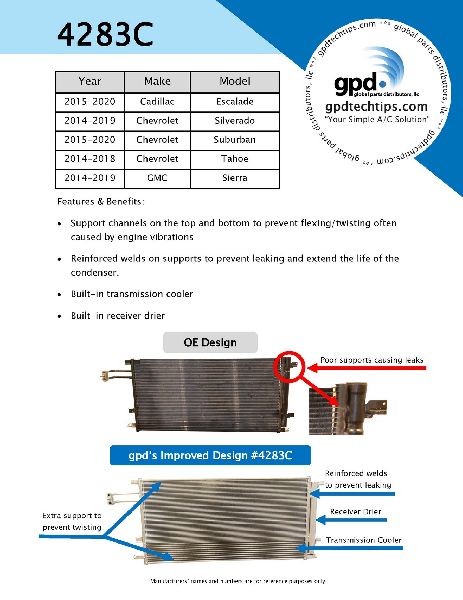
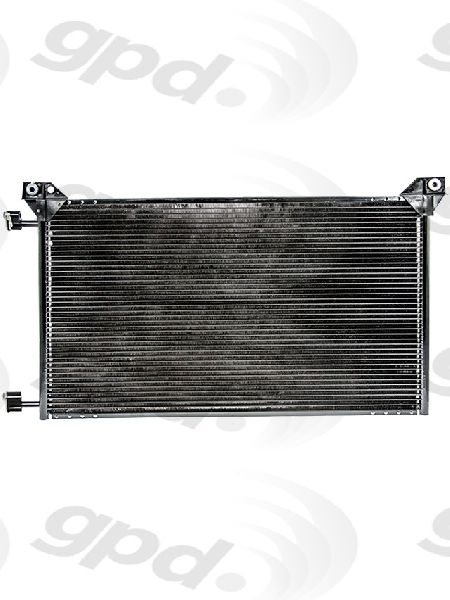
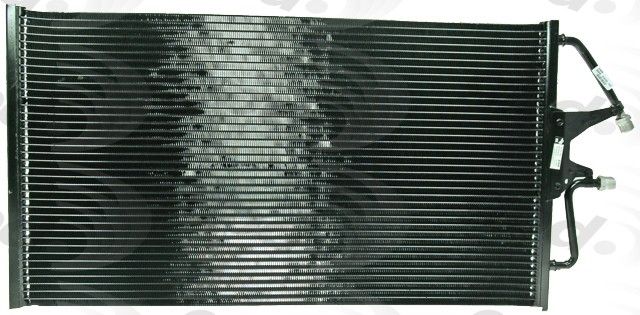
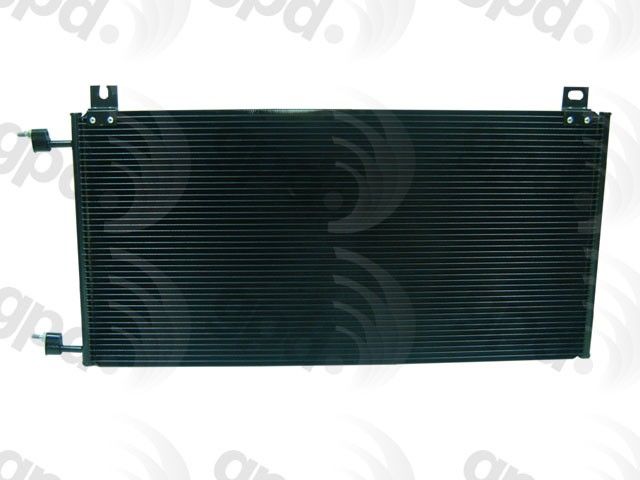
- Standard Aftermarket: Brands such as APDI, Global Parts (GPD), and One Stop Solutions (OSC) provide functional, budget-friendly options that get the job done. These are often direct-fit replacements that meet basic requirements.
Always Replace the Receiver/Drier
Anytime you open the A/C system to replace a part like the condenser, you MUST also replace the receiver/drier (sometimes called an accumulator). This small part removes moisture from the system. A new one is required to protect your new condenser and compressor from future failure. Not replacing it is a common and costly mistake.
A/C Condenser Replacement Cost for 2000-2014 GMC Yukon
The cost to replace the A/C condenser depends on whether you do it yourself or use a professional shop. The job requires special tools to handle the refrigerant.
| Part/Service | Estimated Cost |
|---|---|
| New Aftermarket Condenser | $97 - $307 |
| New OEM Condenser | $250 - $410 |
| Shop Labor | $250 - $550 |
| Total Professional Job (Aftermarket Part) | $350 - $860 |
Frequently Asked Questions
Can I replace the Yukon's A/C condenser myself?
Yes, if you are mechanically skilled. The physical swap is straightforward and involves removing the grille and a few brackets. However, you legally need a professional shop with a special machine to evacuate the old refrigerant before you start and to vacuum test and recharge the system after you're done.
Why did my A/C stop working again after replacing the condenser?
If the A/C is still not cold, the system may have been charged with the wrong amount of refrigerant. There could also be another leak in a different part of the system, like the hoses or the evaporator. Finally, failing to replace the receiver/drier can cause the new parts to fail quickly.
Does my Yukon need a special condenser for rear A/C?
Sometimes, yes. It's important to verify if your specific Yukon has the rear air conditioning option, as it can sometimes use a different condenser or have additional lines that are prone to leaking. Always confirm fitment for your exact model.
What is a receiver/drier and why must I replace it?
The receiver/drier is a filter that absorbs moisture and traps debris inside the A/C system. When the system is opened for repair, the drier gets saturated with moisture from the outside air. Re-using an old drier will circulate that moisture, which can damage the A/C compressor and cause the system to fail again.
Technical Specifications
OEM Part Numbers: 20913751 23438932
Material: Aluminum. Refrigerant Type: R134A. Location: Front of vehicle, mounted in front of the radiator.
We Have This Part in Stock

The information in this article is provided for general reference and educational purposes only. Vehicle specifications, procedures, and part compatibility can vary by production date, trim level, and region. Always consult your vehicle's factory service manual and verify part numbers before purchasing or performing repairs. Safety-critical components such as airbags, seat belts, and braking systems should be installed by a qualified professional.
- GMC Yukon: