

Audi TT Quattro Mass Air Flow Sensor Guide (2000-2015)
Everything you need to know before replacing the Mass Air Flow sensor on your Mk1 or Mk2 Audi TT Quattro.
- Always check for intake air leaks before replacing the MAF sensor, as they cause identical symptoms.
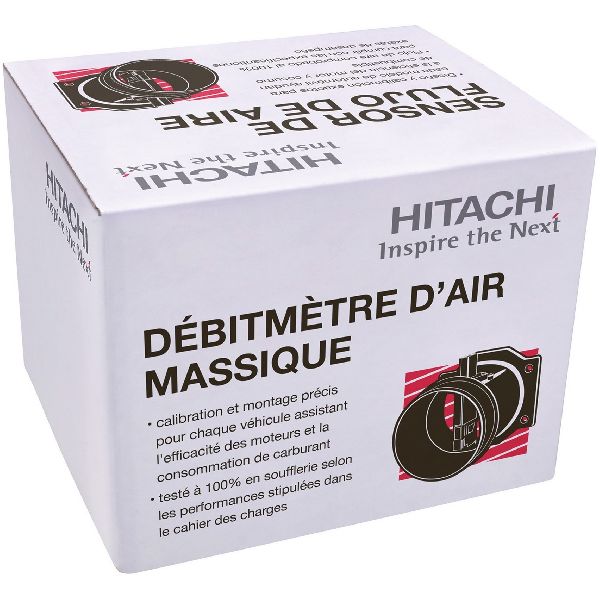
- Stick with OEM (Bosch) or reputable OE-supplier (Hitachi) brands to ensure accurate readings and avoid repeat failures.
- Replacement is a simple DIY task that takes less than 30 minutes with basic tools.
- Ensure you order the correct part for your specific model year and engine (1.8T, 2.0T, 3.2L VR6).
Understanding MAF Sensor Failure in Your TT Quattro
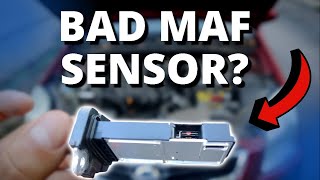
A failing Mass Air Flow (MAF) sensor in a 2000-2015 Audi TT Quattro can cause a range of frustrating drivability issues. Symptoms often start small but can become more serious, affecting performance, fuel economy, and even your ability to start the car. Common signs include a Check Engine Light, rough idling, hesitation or jerking during acceleration, and a noticeable drop in gas mileage. In some cases, you might even see black smoke from the exhaust, which indicates the engine is running too rich.
🎬 Watch: Common symptoms of a failing MAF sensorCheck for Air Leaks First!
Before you buy a new MAF sensor, it is critical to check for vacuum or boost leaks in the intake system. On turbocharged engines like those in the TT, a cracked hose or loose clamp between the MAF sensor and the engine can cause the exact same symptoms as a bad sensor. An Audi technical service bulletin notes that fault codes like P0102, P1111, and P1128 are often caused by air leaks, not a faulty sensor. A mechanic can perform a "smoke test" to find hidden leaks.
🎬 See how to perform a DIY turbo boost leak testChoosing the Right Aftermarket MAF Sensor
When it comes to sensitive electronics on a German car, not all aftermarket parts are created equal. For the Audi TT Quattro, the brand you choose matters significantly. Owner experiences show that cheap, unbranded MAF sensors often fail quickly or are inaccurate out of the box, leading to the same problems you were trying to fix.
Brand Quality Tiers for Audi TT Quattro
- Tier 1 (OEM / OE Supplier): Bosch is the original equipment manufacturer for many Audi TT MAF sensors. Choosing a Bosch sensor is the safest bet for guaranteed compatibility and performance. Hitachi is another highly regarded OE supplier for many German and Japanese vehicles and is considered a reliable alternative.
- Tier 2 (Reputable Aftermarket): Brands like Delphi, Hella, NGK, and Standard Ignition (SMP) have a long history of producing quality aftermarket components. While they may not be the original part, they are generally well-engineered and a solid choice if a Bosch or Hitachi unit is not available. Vemo is another brand often seen in the European parts space.
- Tier 3 (Budget Brands): This category includes lesser-known brands and private labels. While the low price is tempting, the risk of poor performance, incorrect readings, and premature failure is much higher. For a component as critical as the MAF, it's generally recommended to invest in a Tier 1 or Tier 2 brand to avoid future headaches.
Housing vs. Sensor-Only
You can buy the MAF sensor as a complete unit with the plastic housing or as a sensor-only insert. If your current housing is in good condition with no cracks, you can save money by purchasing just the insert. However, a complete assembly is easier to install and eliminates the housing as a potential point of failure. Always check that the new sensor is a direct fit for your specific engine (1.8T, 2.0T, or 3.2L VR6) as they use different parts.
Cost to Replace an Audi TT Quattro MAF Sensor
| Part Type | Estimated Cost |
|---|---|
| New OEM (Bosch) | $250 - $490 |
| New Aftermarket | $53 - $402 |
| Shop Labor | $75 - $150 |
| Total Professional Replacement | $128 - $640 |
Frequently Asked Questions
Can I just clean my MAF sensor?
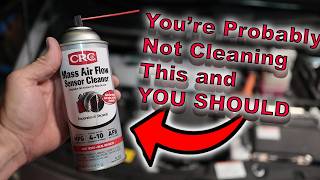
Sometimes, cleaning the MAF sensor's delicate wire or film with a dedicated MAF sensor cleaner spray can restore its function, especially if it's just dirty. However, this is often a temporary fix. If the sensor's electronics are failing, cleaning will not help, and replacement is necessary. Never touch the sensor element with your fingers or a brush, as it is extremely fragile.
Is this a difficult DIY job?
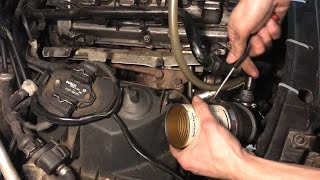
No, replacing the MAF sensor on a TT Quattro is a very simple job suitable for beginners. It typically takes less than 30 minutes. The sensor is easily accessible in the intake tube near the air filter box. The process involves disconnecting the electrical plug, removing a couple of screws or clamps, swapping the part, and reconnecting everything.
🎬 Watch this step-by-step Mk 1 Audi TT MAF replacement guideDo I need to reset the computer after installing a new MAF?
It is a good practice to clear the fault codes with an OBD-II scanner after installation. You can also disconnect the battery for about 15 minutes to reset the ECU's learned fuel adjustments. The car will then re-learn the fuel trims with the new, accurate sensor data.
Why is my Check Engine Light still on after replacement?
If the light remains on, there could be several reasons. First, the fault codes may need to be manually cleared with a scanner. Second, the underlying issue might be an air leak in the intake system, not the sensor itself. Finally, if you used a low-quality budget sensor, it could be faulty right out of the box.
Helpful Videos


Technical Specifications
OEM Part Numbers: 06A906461L 06A906461G 06F906461A 06J906461B
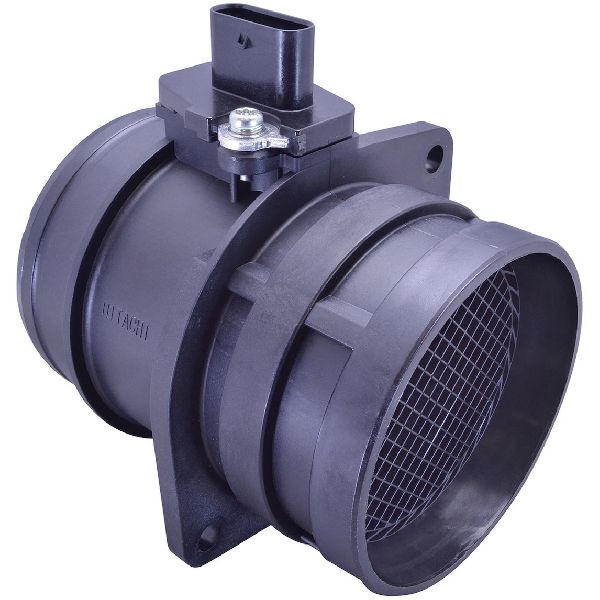
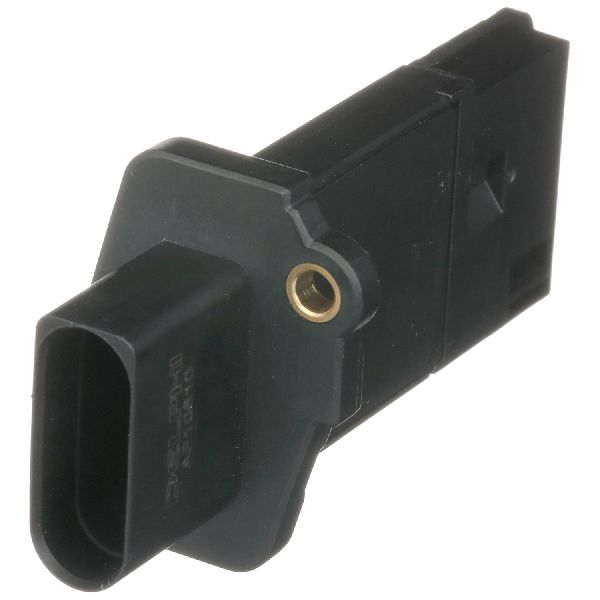
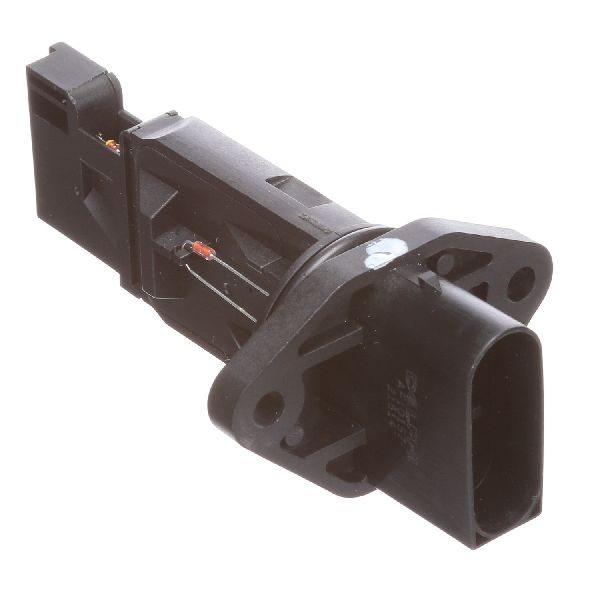
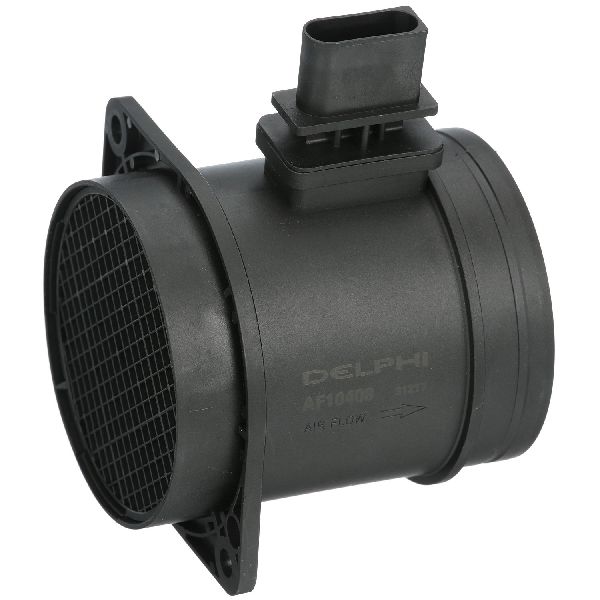
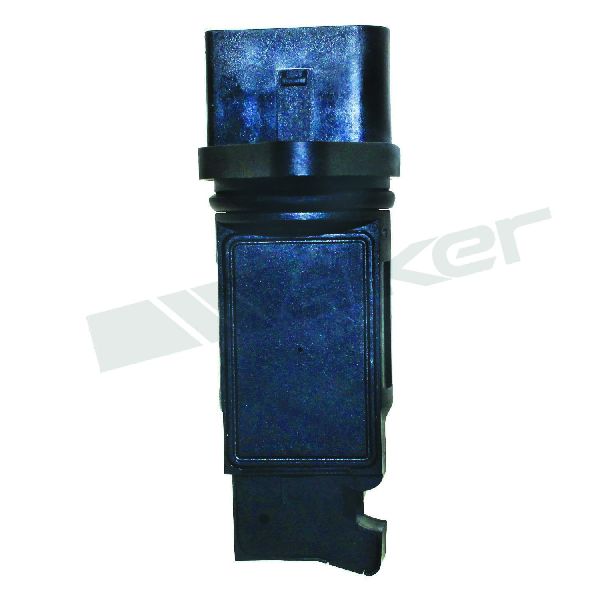
The MAF sensor is typically a 5-pin sensor that may or may not come with a new housing. It is located on the air intake duct between the air filter box and the engine's throttle body. Part numbers differ significantly between the Mk1 (2000-2006) and Mk2 (2007-2015) generations and engine types.
We Have This Part in Stock

The information in this article is provided for general reference and educational purposes only. Vehicle specifications, procedures, and part compatibility can vary by production date, trim level, and region. Always consult your vehicle's factory service manual and verify part numbers before purchasing or performing repairs. Safety-critical components such as airbags, seat belts, and braking systems should be installed by a qualified professional.
- Audi TT Quattro:
- 🎬 Helpful Videos
- 🛍️ Shop This Part
- Understanding MAF Sensor Failure in Your TT Quattro
- Check for Air Leaks First!
- Choosing the Right Aftermarket MAF Sensor
- Brand Quality Tiers for Audi TT Quattro
- Housing vs. Sensor-Only
- Cost to Replace an Audi TT Quattro MAF Sensor
- Frequently Asked Questions
- 🎟️ Get 5% Off