

Subaru Outback Engine Coolant Temperature Sensor: 2000-2015
An essential guide to diagnosing and replacing the engine coolant temperature (ECT) sensor on your 2000-2015 Subaru Outback.
- A bad ECT sensor often causes a Check Engine Light with codes like P0117 or P0118.
- Symptoms include poor fuel economy, black smoke, rough idle, and potential overheating.
- For 2011-2012 H6 models with a P0128 code, check for a related TSB before replacing the sensor.
- Replacement is a simple DIY task for most owners and can be completed in under an hour.
Is Your Outback Acting Up? It Could Be the Coolant Sensor.
A failing Engine Coolant Temperature (ECT) sensor can cause a surprising number of problems on a Subaru Outback. Because this sensor provides critical data to the engine's computer, a bad signal can make the car think it's running hot when it's cold, or cold when it's hot. This can lead to poor performance, bad fuel mileage, and even a failed emissions test. Before you suspect a more serious issue like a bad thermostat or head gasket, it's worth checking this simple and inexpensive sensor.
Symptoms of a Failing ECT Sensor
A bad ECT sensor can mimic other problems, but it often shows a distinct set of symptoms:
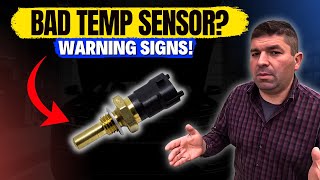
🎬 Watch: 8 common symptoms of a failing coolant sensor- Check Engine Light: This is the most common sign. The ECU will detect an irrational signal from the sensor and trigger a light with codes like P0116, P0117, P0118, or P0128. 🎬 See this expert diagnosis of P0117 and P0118 codes
- Poor Fuel Economy: If the sensor is stuck reading "cold," the ECU will continuously inject extra fuel, causing your gas mileage to drop significantly.
- Black Smoke from Exhaust: A very rich fuel mixture from a false "cold" signal can result in unburned fuel entering the exhaust, creating black smoke.
- Engine Overheating or Running Too Cool: If the sensor fails to report a hot engine, the radiator fans may not turn on when needed. Conversely, an erratic gauge might be caused by a faulty sensor.
- Rough Idle and Stalling: The wrong fuel mixture can make the engine run poorly, especially when it should be at normal operating temperature.
Gauge vs. ECU Sensor: A Critical Distinction
On many vehicles, including some Subaru models, there can be two separate temperature sensors. One sends information to the temperature gauge on your dashboard, and the other—the ECT sensor—sends information only to the engine computer (ECU). This guide focuses on the ECT sensor for the ECU, which affects engine performance. If your gauge is acting erratically but the engine runs fine, you may need to investigate the gauge sender instead.
Choosing the Right Aftermarket ECT Sensor
While a genuine Subaru sensor is always a safe choice, quality aftermarket parts can offer good performance for less money. Not all aftermarket brands are created equal. Here’s how to think about your options:
- Tier 1: OEM-Equivalent Brands: Brands like NGK/NTK and Beck Arnley often have a strong reputation for producing sensors that meet or exceed original equipment specifications. These are a solid choice for reliability without the full dealership price.
- Tier 2: Standard Replacement Brands: Companies like Standard Ignition (SMP), Walker Products, and Four Seasons produce reliable replacement parts that are widely available. They offer a good balance of quality and value for a daily driver.
- Tier 3: Value Brands: Brands like Global Parts and True Tech provide a budget-friendly option. While functional, they may not have the same long-term durability or precise calibration as higher-tier brands.
For a critical component like the ECT sensor, spending a few extra dollars for a Tier 1 or Tier 2 brand is often worth the peace of mind. Forum discussions among mechanics suggest that while aftermarket is often fine, critical sensors are one area where sticking to known quality brands prevents future headaches.
Known Issues & Service Bulletins
For the 2000-2015 model years, there are no major recalls for the ECT sensor itself. However, one Technical Service Bulletin (TSB) is relevant:
- TSB 11-111-12R: This applies to 2011-2012 Outback models with the H6 engine. It addresses a Check Engine Light with code P0128. The cause may not be a bad sensor, but rather slight coolant temperature variations or air pockets. Subaru released a redesigned heater hose pipe to fix this issue. If you have this specific engine and code, investigate this TSB before replacing the sensor.
| Part Type | Estimated Cost |
|---|---|
| New OEM (Dealer) | $50 - $80 |
| New Aftermarket | $16 - $52 |
| Shop Labor | $90 - $130 |
Frequently Asked Questions (FAQ)
Where is the ECT sensor located on my Outback?
The location varies slightly by engine and year. On many 2.5L engines (like the 2011 model), the ECT sensor is located on the engine block, behind the alternator. 🎬 Watch: Step-by-step sensor replacement on a 2.5L Outback On H6 engines, it may be under the intake manifold. It is a small, two-wire sensor threaded into a coolant passage. Always consult a repair manual or look for a video specific to your model year and engine for the exact location.
Can I replace the ECT sensor myself?
Yes, this is a very DIY-friendly job for most home mechanics. It typically requires basic hand tools, like a deep socket or wrench (often 19mm). The main challenges are accessing the sensor and losing a small amount of coolant. It's a good idea to replace the sensor when the engine is cold to avoid burns and minimize coolant loss. The entire job can usually be done in under an hour.
What happens if I don't replace a bad ECT sensor?
Continuing to drive with a faulty sensor can have several negative effects. You will likely experience poor fuel economy and performance. In a worst-case scenario, if the sensor fails to report an overheating condition, the radiator fans may not activate, putting your engine at risk of serious damage from overheating.
Do I need to drain the coolant to replace the sensor?
You do not need to drain the entire cooling system. The sensor is typically located high up on the engine. When you unscrew it, only a small amount of coolant will leak out. You can minimize the mess by having the new sensor ready to screw in immediately. After replacement, top off your coolant reservoir as needed and check for air pockets in the system.
Helpful Videos

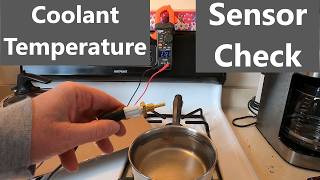
Technical Specifications
OEM Part Numbers: 22630AA161 22630AA17A 22630AA230 22630AA140 22630AA100
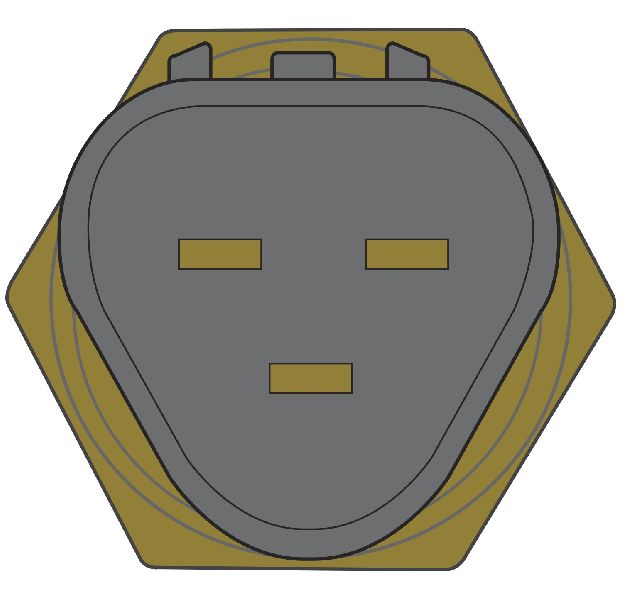
Typically a 2-pin, threaded sensor that acts as a thermistor, changing its electrical resistance based on coolant temperature.
We Have This Part in Stock


The information in this article is provided for general reference and educational purposes only. Vehicle specifications, procedures, and part compatibility can vary by production date, trim level, and region. Always consult your vehicle's factory service manual and verify part numbers before purchasing or performing repairs. Safety-critical components such as airbags, seat belts, and braking systems should be installed by a qualified professional.
- Subaru Outback: