

Toyota Tundra (2000-2015) Mass Air Flow Sensor: A Complete Guide
Experiencing poor MPG or a rough idle in your Tundra? Your Mass Air Flow sensor might be the culprit.
- Stick to OEM-equivalent brands like Denso or Hitachi for the most reliable performance on your Tundra.
- Symptoms often include a check engine light (P0101, P0171, P0174), rough idle, and poor gas mileage.
- Replacement is extremely easy and can be done in under 15 minutes with just a Phillips screwdriver.
- Avoid using over-oiled aftermarket air filters, as they are a known cause of MAF sensor contamination and failure.
Is Your Tundra's MAF Sensor Failing?

A bad or dirty Mass Air Flow (MAF) sensor can cause a range of issues, from annoying to serious. Because the sensor is vital for calculating the correct air-fuel mixture, a faulty one often makes the engine run too rich (too much fuel) or too lean (not enough fuel). Here are the most common signs that your Tundra's MAF sensor needs attention:
- Check Engine Light: This is often the first sign. Common codes associated with MAF sensor issues include P0101, P0102, P0103, and lean condition codes like P0171 and P0174.
- Poor Fuel Economy: If you're stopping for gas more often, a bad MAF sensor could be telling the engine to use more fuel than necessary.
- Rough Idle: The engine may idle erratically, shake, or even stall when you're stopped.
- Hesitation or Sluggish Acceleration: Your truck may feel like it's lost power, hesitates, or jerks when you step on the gas.
- Black Exhaust Smoke: This is a sign the engine is running too rich, which can be caused by a faulty MAF sensor.
A Note on Oiled Air Filters
Using an aftermarket oiled air filter (like some K&N models) is a common cause of premature MAF sensor failure. The oil can contaminate the delicate sensor wires, causing incorrect readings. If you use an oiled filter, be extremely careful not to over-oil it. Many Tundra owners recommend sticking with high-quality, non-oiled (dry) paper filters to avoid this problem entirely.
Choosing the Right Aftermarket MAF Sensor for Your Tundra

When it comes to electronic sensors for a Toyota, quality matters. While a cheaper part is tempting, a low-quality MAF sensor can fail quickly or provide inaccurate readings right out of the box, leaving you with the same problems. For the 2000-2015 Tundra, it's best to stick with the original equipment manufacturer (OEM) or brands known for their quality electronics.
Brand Quality Tiers
- Tier 1: OEM or OEM-Equivalent: Denso is the original equipment manufacturer for many Toyota parts, and their MAF sensors are a trusted choice. Hitachi is another highly-regarded OEM supplier for Japanese vehicles and a safe bet for a reliable replacement. These brands are engineered to meet Toyota's exact specifications.
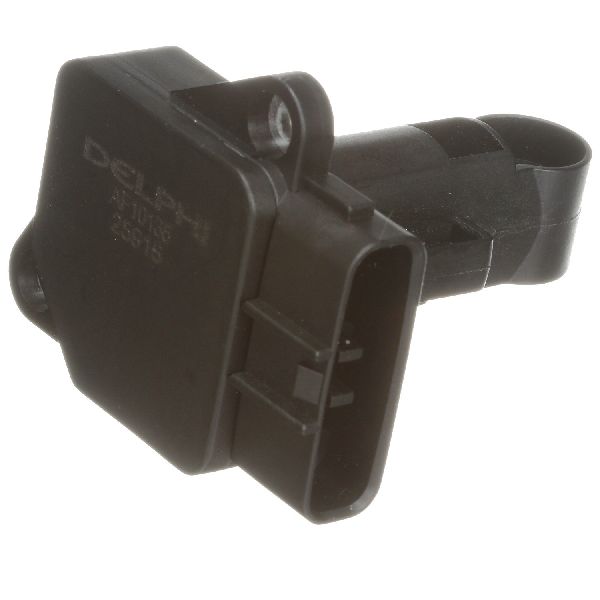
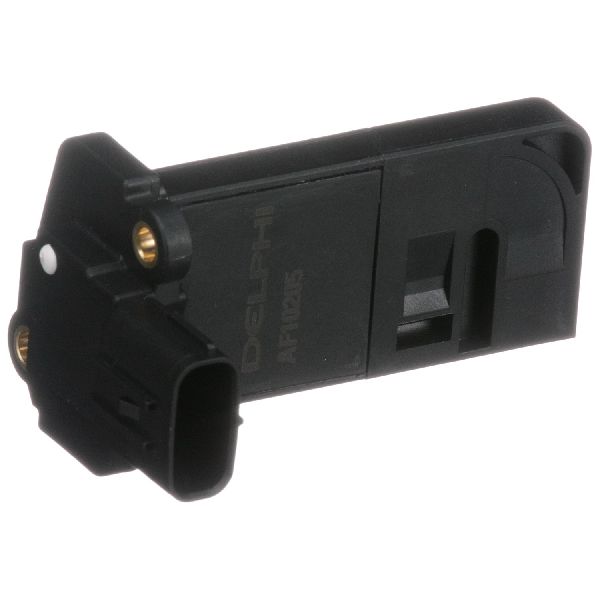
- Tier 2: Reputable Aftermarket Brands: Brands like NGK/NTK, Delphi, and Walker Products have a solid reputation for producing quality sensors that are a good alternative to OEM. They offer a balance of quality and value.
- Tier 3: Budget & Remanufactured Options: Brands like Cardone (often remanufactured), Spectra, or other less-known brands fall into this category. While they are more affordable, their quality can be inconsistent. A remanufactured sensor can be a good value if it's a rebuilt OEM unit, but it's often hard to verify. For a critical sensor like the MAF, it's generally recommended to invest in a Tier 1 or Tier 2 brand to avoid future headaches.
Pro Tip: Cleaning vs. Replacing
Sometimes, a MAF sensor can be restored by cleaning it with a dedicated MAF sensor cleaner spray. Never touch the delicate internal wires. 🎬 Watch this video to see how to safely clean your sensor. If your truck has high mileage or if cleaning doesn't solve the problem, replacement is the best option. Given the low cost and ease of replacement, many owners choose to install a new sensor for peace of mind.
Expected Replacement Costs
Replacing the MAF sensor on a 2000-2015 Tundra is a simple and cost-effective repair. The part itself is the main expense, as labor is minimal.
| Part/Service | Estimated Cost |
|---|---|
| New OEM (Denso/Toyota) | $110 - $200 |
| New Aftermarket | $55 - $264 |
| Shop Labor | $50 - $100 |
| Total (DIY) | $55 - $200 |
| Total (Shop) | $105 - $364 |
Frequently Asked Questions

Is it hard to replace a Tundra MAF sensor myself?
No, it's one of the easiest repairs you can do. The MAF sensor is located on the engine's air intake box, right after the air filter. It's held in by two Phillips head screws 🎬 Follow this step-by-step guide for 2000-2006 Tundra models. and has a single electrical connector. The entire job typically takes less than 15 minutes.
🎬 See how easy it is to replace the sensor yourself.Are there any recalls for the Tundra MAF sensor?
No, there are no specific recalls for the mass air flow sensor on 2000-2015 Toyota Tundras. Searches on the National Highway Traffic Safety Administration (NHTSA) database show recalls for other issues on different model years, but none related to the MAF sensor for this generation.
What is a TSB and are there any for the Tundra MAF?
A Technical Service Bulletin (TSB) is a notice from the manufacturer to dealers about a known issue and a recommended repair. There is a TSB (T-SB-0092-15) that mentions the MAF sensor code P0101, but it applies specifically to 2014-2015 Tundras equipped with an aftermarket supercharger and is not relevant for stock vehicles.
Will a bad MAF sensor cause transmission problems?
Yes, it can. The engine's computer uses MAF sensor data to calculate engine load, which influences when the automatic transmission shifts. Incorrect data can lead to hard shifts, delayed shifting, or the transmission "hunting" for the right gear.
Helpful Videos
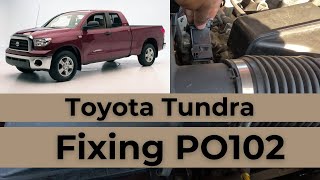
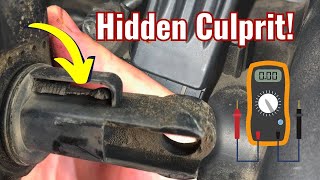

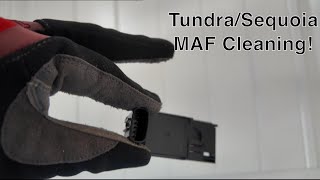
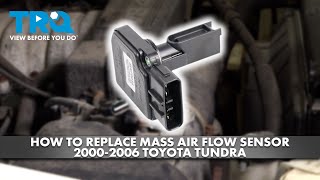
Technical Specifications
OEM Part Numbers: 22204-0C020 22204-0D030 22204-75030 22204-07010
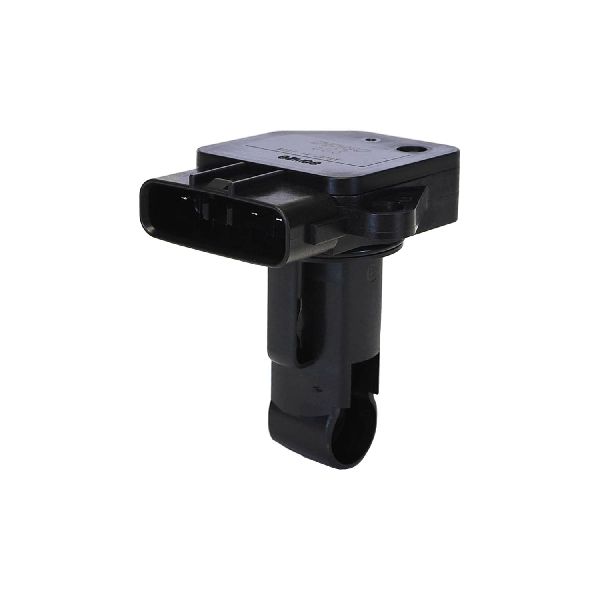
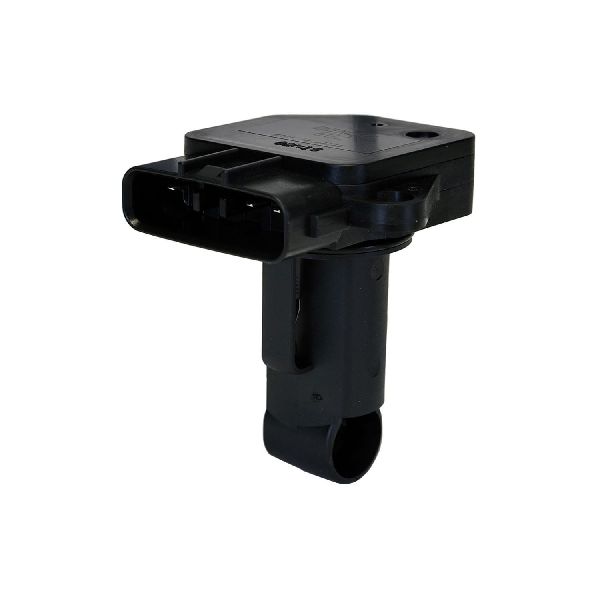
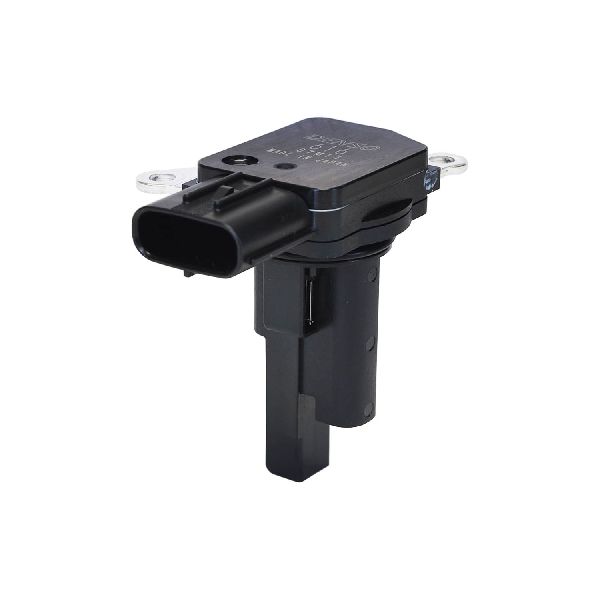
The MAF sensor for the 2000-2015 Toyota Tundra is a 'plug-in' or 'probe' type sensor that inserts into the air filter housing. It typically has a 5-pin electrical connector and is secured by two screws. The sensor includes an integrated Intake Air Temperature (IAT) sensor.
We Have This Part in Stock


The information in this article is provided for general reference and educational purposes only. Vehicle specifications, procedures, and part compatibility can vary by production date, trim level, and region. Always consult your vehicle's factory service manual and verify part numbers before purchasing or performing repairs. Safety-critical components such as airbags, seat belts, and braking systems should be installed by a qualified professional.
- Toyota Tundra: