

A Closer Look at the 2001-2002 Chrysler Prowler Serpentine Belt
Keep your Prowler's unique engine running smoothly by understanding its essential drive belt.
- A failing serpentine belt will cause squealing noises and visible cracking or fraying.
- If the belt breaks, you will lose power steering and alternator function immediately.
- High-quality aftermarket brands like Gates, Dayco, and Continental are reliable alternatives to OEM.
- While replacing the belt, it is wise to inspect the tensioner pulley for wear.
Is Your Prowler's Serpentine Belt Failing?
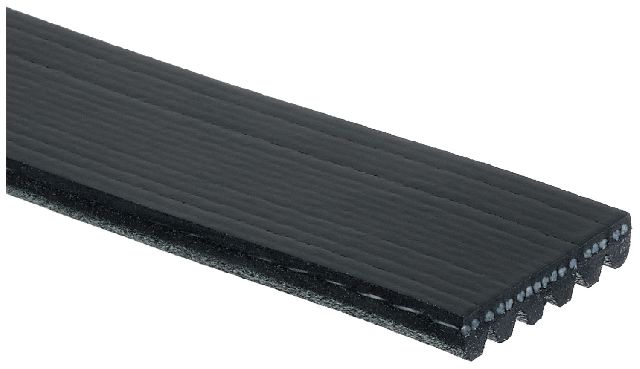
A serpentine belt is a wear item, meaning it needs to be replaced as part of regular maintenance. For the 3.5L V6 in your Prowler, you should inspect the belt regularly. Signs of wear include visible cracks, fraying, glazing (a shiny, smooth surface), or missing chunks of the ribbed section. You might also hear a persistent squealing or chirping sound from the engine bay, especially when you start the car or turn on the A/C. These noises often mean the belt is slipping because it's old or the tensioner is weak.
Don't Ignore a Failing Belt
If the serpentine belt breaks while you're driving, you will immediately lose power steering, making the car very difficult to turn. The alternator will also stop charging the battery, and your engine may begin to overheat as accessories lose power. It is critical to pull over safely as soon as possible.
Choosing the Right Aftermarket Belt
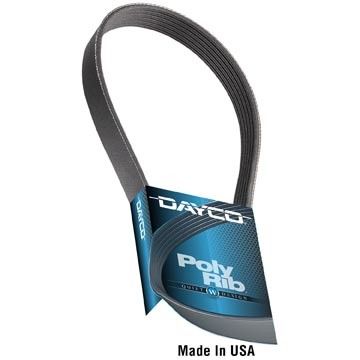
For a unique vehicle like the Prowler, choosing a quality replacement part is important. The OEM Mopar belt is a reliable option, but high-quality aftermarket brands offer similar performance, often at a better price. Brands like Gates, Continental, and Dayco are well-regarded choices for domestic vehicles like your Chrysler. They are made from durable EPDM rubber designed to resist heat and cracking. There is little practical difference in quality between these top-tier aftermarket brands and the original OEM part for this specific component.
Pro Tip: Check the Tensioner
When replacing the serpentine belt, it's a good idea to inspect the belt tensioner and any idler pulleys. A weak or failing tensioner can cause a new belt to slip or wear out prematurely. A mechanic noted that the tensioner pulley on a 2002 Prowler had play and needed replacement along with the belts.
Estimated Replacement Costs
The cost to replace a serpentine belt on a Prowler is reasonable. The part itself is affordable, and the labor is straightforward for a qualified mechanic.
| Part Type | Estimated Cost |
|---|---|
| New Aftermarket Serpentine Belt | $20.83 - $45.55 |
| New OEM (Mopar) Serpentine Belt | $50 - $75 |
| Shop Labor | $37 - $54 |
| Total Estimated Cost (Aftermarket) | $58 - $100 |
Frequently Asked Questions
How often should I replace my Prowler's serpentine belt?
Most manufacturers recommend replacement every 50,000 to 100,000 miles as preventative maintenance. However, due to age, it's best to inspect the belt on your Prowler annually and replace it at the first sign of cracking, glazing, or stretching.
Are there any recalls for the 2001-2002 Prowler serpentine belt?
No. Searches of the National Highway Traffic Safety Administration (NHTSA) database show no recalls or specific safety campaigns related to the serpentine belt for the 2001-2002 Chrysler Prowler.
Is this a DIY job?
For a mechanically inclined owner with the right tools, yes. The process involves loosening the automatic tensioner to remove the old belt and routing the new one correctly. However, access can be tight, and ensuring the belt is routed properly is critical. If you're not comfortable, the labor cost at a shop is minimal.
Does the Prowler have a timing belt or a timing chain?
The Chrysler 3.5L V6 engine in the Prowler uses a timing belt, which is different from the serpentine belt. The timing belt is a critical component that synchronizes the engine's internal parts. It has its own separate replacement interval and is a much more involved job.
Technical Specifications
OEM Part Numbers: 4573013AB 4892479AB
The main serpentine belt for the Alternator and Power Steering has an effective length of approximately 52.95 inches and 6 ribs. Note that the Prowler has a second, separate belt for the A/C compressor.
We Have This Part in Stock

The information in this article is provided for general reference and educational purposes only. Vehicle specifications, procedures, and part compatibility can vary by production date, trim level, and region. Always consult your vehicle's factory service manual and verify part numbers before purchasing or performing repairs. Safety-critical components such as airbags, seat belts, and braking systems should be installed by a qualified professional.
- Chrysler Prowler: