

A Deep Dive into the 2001-2003 Toyota Prius Throttle Position Sensor
Is your first-generation Prius hesitating or showing a check engine light? Your Throttle Position Sensor might be the cause.
- First, try cleaning the throttle body thoroughly, as carbon buildup causes identical symptoms and is a very common issue.
- A failing sensor can force the car into a low-power 'limp mode' for safety.
- Toyota primarily sells the entire throttle body assembly, while aftermarket brands offer the more affordable sensor-only option.
- Confirm the failure with a code scanner; look for codes P0120-P0123.
Is it the Sensor or the Whole Throttle Body?
For the 2001-2003 Prius, this is an important question. From Toyota, the Throttle Position Sensor (TPS) is typically sold as part of the complete throttle body assembly. This means you would have to buy the entire unit, which is more expensive. The aftermarket, however, offers the sensor as a standalone part, which can be a much more affordable repair if the sensor is the only thing that has failed.
Pro Tip: Clean Before You Replace
A very common issue on this generation of Prius is carbon and oil buildup inside the throttle body. This gunk can cause the throttle plate to stick, leading to symptoms that are identical to a failing TPS. Before spending money on a new part, it is highly recommended to remove and thoroughly clean the throttle body with a dedicated cleaner. This simple step solves the problem for many owners.
Symptoms of a Failing TPS on a 2001-2003 Prius
When the TPS starts to fail, the computer gets bad information, leading to a number of noticeable engine problems. You'll likely see a Check Engine Light on your dash, but you may also experience other drivability issues.
Choosing the Right Aftermarket Part
When shopping for a new aftermarket TPS, you'll find a range of brands at different price points. Quality can vary, so it's important to understand what you're buying.
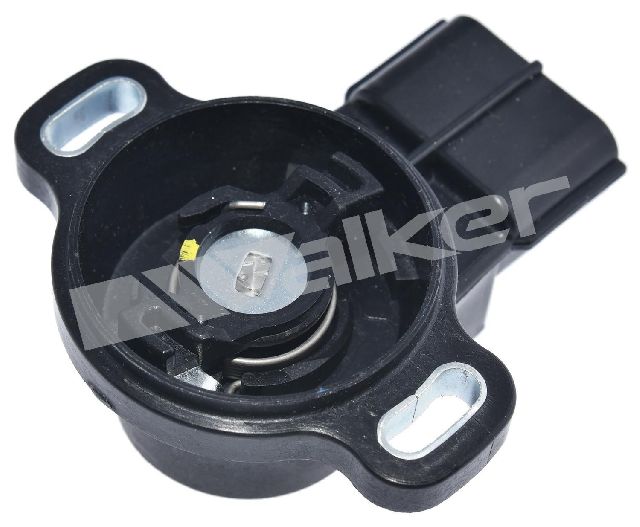
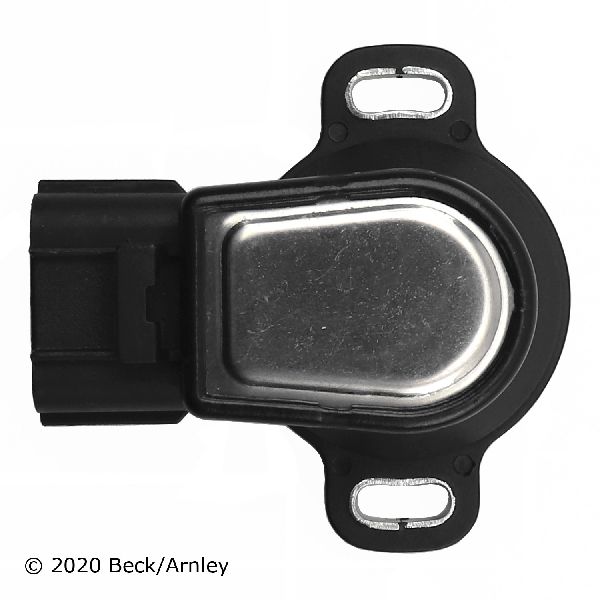
- Premium Aftermarket (e.g., Beck Arnley, Standard Ignition, Walker Products): These brands have a reputation for quality. They often focus on meeting or exceeding original equipment (OE) specifications for fit and function. Beck Arnley, in particular, is known for sometimes sourcing parts from the original manufacturers. These are a solid choice for reliability without the high cost of a full dealer assembly.
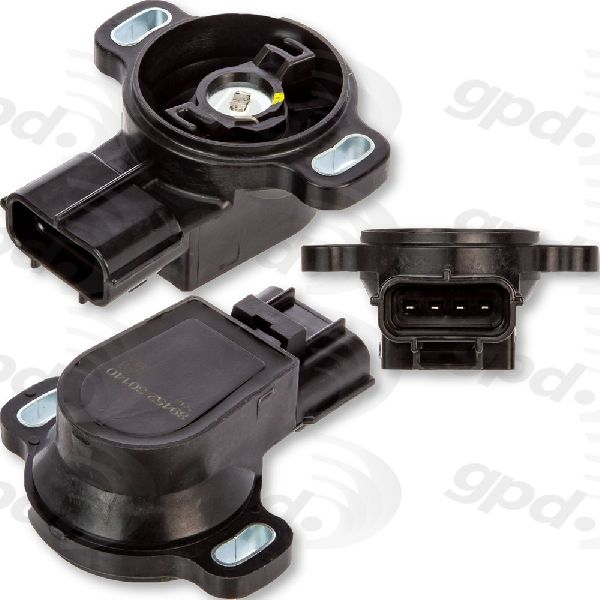
- Price-Conscious Aftermarket (e.g., Replacement, Global Parts): These brands offer significant cost savings. However, quality can be inconsistent. While many of these parts work fine, some owners have reported issues with sensors not meeting the correct electrical resistance specifications out of the box. This can lead to continued problems and the need to do the job a second time.
For a critical sensor like the TPS, investing in a reputable aftermarket brand is often the wisest choice to ensure a lasting repair.
Estimated Costs
| Part Type | Estimated Cost |
|---|---|
| New Aftermarket Sensor | $28 - $97 |
| New OEM Sensor | $110 - $130 |
| New Aftermarket Assembly | $210 - $350 |
| New OEM Assembly | $415 - $605 |
| Shop Labor to Install | $80 - $150 |
Frequently Asked Questions
Was there a recall on the 2001-2003 Prius throttle position sensor?
No. There have been no specific recalls issued by Toyota or the NHTSA for the throttle position sensor on the 2001-2003 Prius. There was a warranty extension program related to throttle body cleaning that expired in 2019, and a broader customer support program for electronic throttle components, but no direct recall for the sensor itself.
Can I replace just the sensor myself?
Yes, this is a DIY-friendly job for someone with basic hand tools. The throttle body is easily accessible at the top front of the engine. The sensor is attached to the side of the throttle body with a couple of screws and has a single electrical connector. The entire job should take less than an hour.
What are the common trouble codes for a bad TPS?
The most common Diagnostic Trouble Codes (DTCs) are P0120, P0121, P0122, and P0123. These codes point directly to a problem with the throttle position sensor's circuit performance, or its input signal being too low or too high.
What happens if the TPS fails completely while driving?
If the main computer (ECM) detects a serious fault with the TPS, it will enter a fail-safe or "limp mode." The throttle is returned to a fixed, slightly open position. Engine power will be severely limited, but you should be able to drive the vehicle slowly to a safe location using the electric motor and limited engine power.
Technical Specifications
OEM Part Numbers: 89452-30150 (Sensor) 22030-21020 (Throttle Body Assembly)
Non-contact, Hall-effect dual-circuit sensor.
We Have This Part in Stock


The information in this article is provided for general reference and educational purposes only. Vehicle specifications, procedures, and part compatibility can vary by production date, trim level, and region. Always consult your vehicle's factory service manual and verify part numbers before purchasing or performing repairs. Safety-critical components such as airbags, seat belts, and braking systems should be installed by a qualified professional.
- Toyota Prius: