

A Mechanic's Guide to the 2001-2003 Toyota Prius Wheel Bearing
Address the humming, grinding, or roaring noise from your wheels with the right replacement part.
- Confirm if the noise is from the front or rear, as the parts and replacement process are different.
- Rear wheel bearings are sold as complete, DIY-friendly bolt-on hub assemblies.
- Front wheel bearings require a hydraulic press for installation, making professional repair the best option for most owners.
- For longevity and safety, choose premium aftermarket brands like Timken, SKF, or NSK.
Is Your Prius Making a Grinding or Humming Noise?
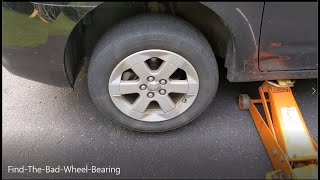
The most common sign of a bad wheel bearing is a noise coming from one of the wheels. It often starts as a faint hum and develops into a louder grinding, roaring, or grating sound that gets worse as you drive faster. 🎬 Watch: How to find which front wheel bearing is bad. You might notice the noise changes or gets louder when you turn; for example, a noise that gets louder on a right turn often points to a bad bearing on the left side.
- Vibrations: You may feel a vibration in the steering wheel that changes with speed.
- Loose Steering: The steering might feel less precise or "loose" as the bearing wears down.
- Pulling to One Side: A failing bearing can cause the car to pull towards the side of the bad bearing.
- ABS Light: Since the rear hub assemblies contain the wheel speed sensor, a failing rear bearing can sometimes trigger the ABS warning light.
Vehicle-Specific Alert: Power Steering Recall
While not a wheel bearing issue, owners of the 2001-2003 Prius should be aware of NHTSA Recall 11V304000. This recall addresses nuts in the electric power steering system that can loosen, leading to increased steering effort, especially on left turns. If you experience heavy steering, have a dealer check if this recall work was performed.
Choosing the Right Aftermarket Wheel Bearing
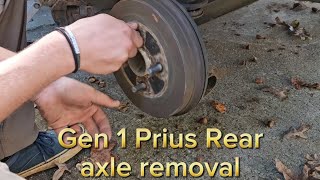
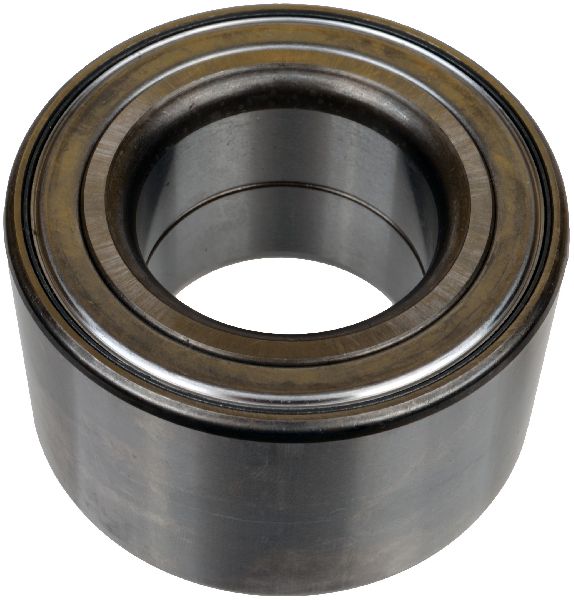
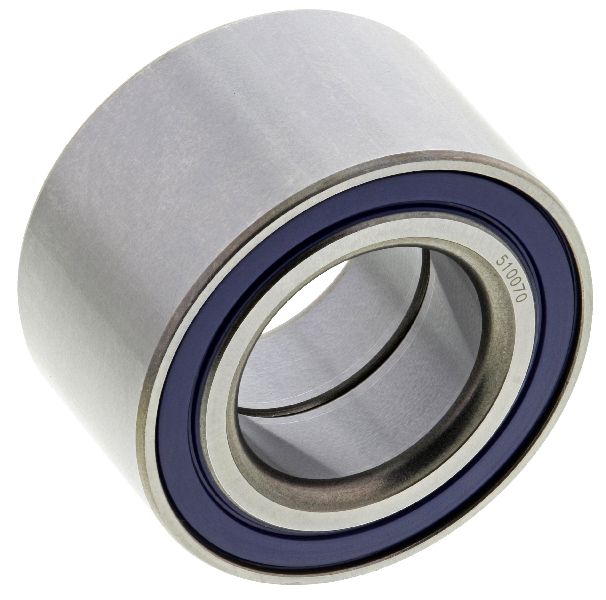
For the first-generation Prius, you have two different replacement scenarios. The rear is a bolt-on hub assembly, making it a straightforward job for a DIYer. 🎬 See this walkthrough for Gen 1 rear hub assembly removal. The front, however, is a press-in bearing. This means the old bearing must be pushed out of the steering knuckle and the new one pressed in using a hydraulic shop press. This is not a typical DIY job without specialized tools.
Brand Quality Tiers
Not all aftermarket parts are created equal. For a critical part like a wheel bearing, quality directly impacts safety and how long the repair will last.
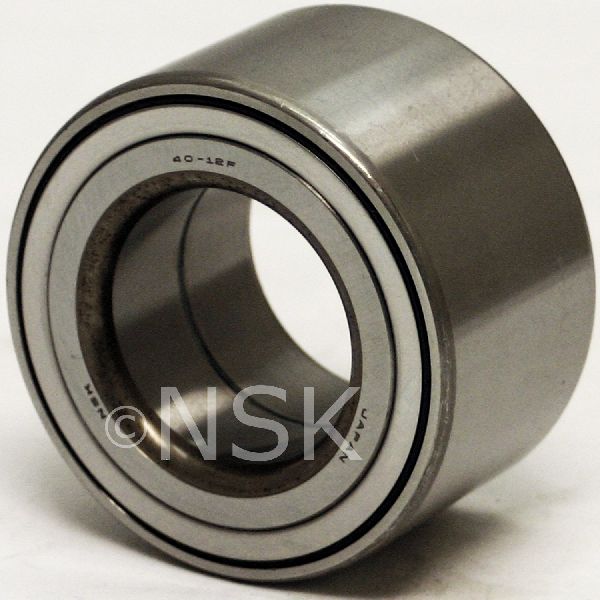
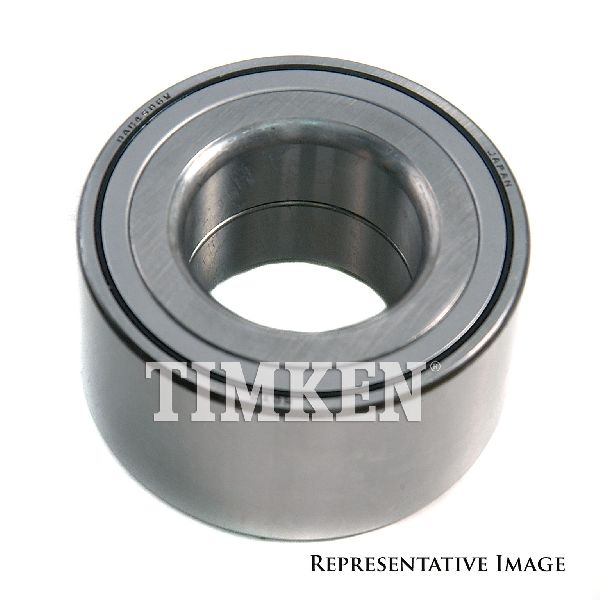
- Premium Brands (SKF, Timken, NSK, FAG): These brands are known for manufacturing bearings for automakers and are widely considered OEM-quality or better. They use high-quality steel and precise manufacturing processes. Forum members consistently recommend Timken and NSK for their longevity.
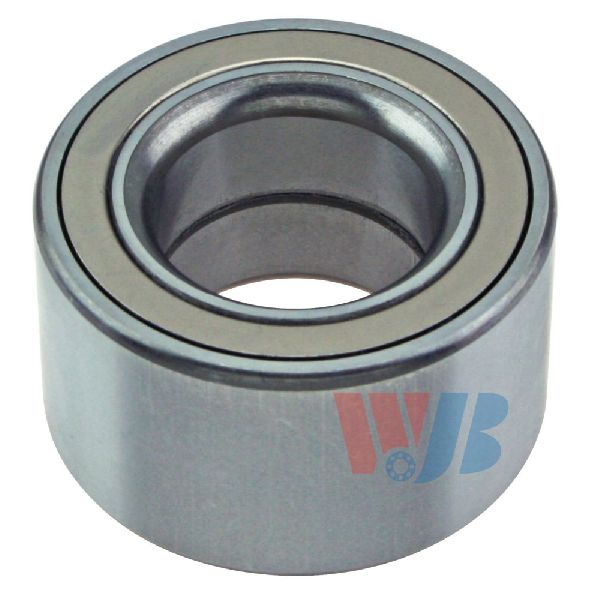
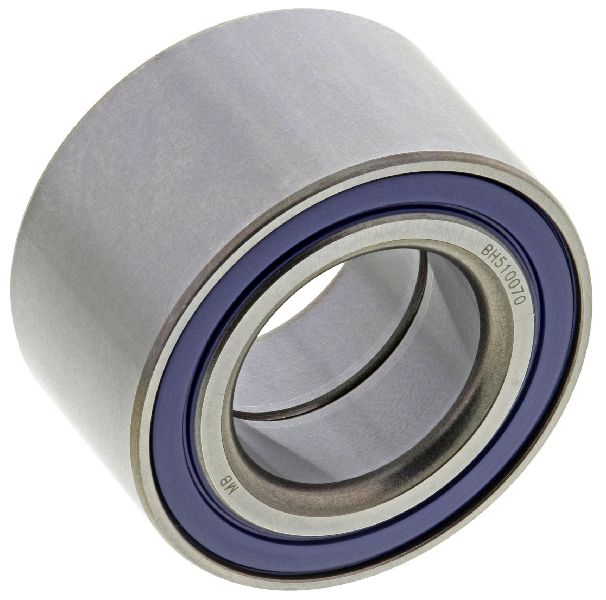
- Standard Brands (Beck Arnley, Mevotech, WJB): These brands offer a good balance of quality and price. Beck Arnley is known for often repackaging OEM parts. Mevotech is considered a solid mid-grade option. These are a reliable choice for a daily driver.
- Economy Brands (Dorman, TrueDrive, GMB): These brands are the most affordable. However, they may use lower-grade materials and have less stringent quality control. They can be a solution for a budget-focused repair, but may not last as long as premium or standard options, especially under harsh driving conditions.
| Part/Service | Estimated Cost |
|---|---|
| New Aftermarket Part | $26.98 - $78.09 |
| New OEM Part | $58 - $355 |
| Shop Labor | $140 - $350 per wheel |
| Total Professional Replacement | $200 - $770+ per wheel |
Frequently Asked Questions (FAQ)
Can I replace just the bearing, or do I need the whole hub?
For the rear, the part is only sold as a complete hub and bearing assembly. For the front, you can buy just the bearing, but you will need a shop press to install it. Many people find it easier to buy a complete steering knuckle with the bearing already pressed in, or a kit that includes the bearing and hub.
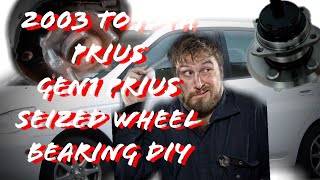
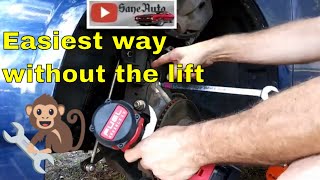
🎬 Watch: How to replace the Prius front wheel bearing assembly.Is it hard to replace a Prius wheel bearing myself?
The rear is manageable for a skilled DIYer with a good toolset; it's a bolt-on part, though rust can make removal difficult. The front is not recommended for DIY unless you own or have access to a hydraulic press. Attempting to hammer in a new bearing will destroy it.
Do I need to replace wheel bearings in pairs?
It is highly recommended. If one bearing has failed due to age and mileage, the other one on the same axle is likely not far behind. Replacing them in pairs saves you from doing the same job twice in the near future and ensures even performance.
Will I need a wheel alignment after replacing a wheel bearing?
Yes. Any time you remove suspension components like the steering knuckle to replace a front wheel bearing, a wheel alignment is necessary to ensure proper handling and prevent uneven tire wear. It is less critical for a rear hub replacement, but still a good idea to check.
Helpful Videos
Technical Specifications
OEM Part Numbers: 90363-40066 (Front Bearing) 43502-12140 (Front Hub, supersedes 43502-47010) 42450-47020 (Rear Hub Assembly)
Front: Press-in bearing. Rear: 4-lug bolt-on hub assembly with integrated ABS sensor.
We Have This Part in Stock

The information in this article is provided for general reference and educational purposes only. Vehicle specifications, procedures, and part compatibility can vary by production date, trim level, and region. Always consult your vehicle's factory service manual and verify part numbers before purchasing or performing repairs. Safety-critical components such as airbags, seat belts, and braking systems should be installed by a qualified professional.
- Toyota Prius: