

Guide to the 2001-2004 Lexus LS430 Transmission Input Shaft Speed Sensor
Understand the symptoms of a failing input speed sensor and how to choose the right replacement for your LS430.
- A failing input speed sensor on the LS430 primarily causes harsh shifting, Check Engine Lights (P0717), and cruise control failure.
- Replacement is possible for a DIYer, but access to the sensor on the transmission is very tight.
- There are no recalls for this specific sensor, but 2004 models had a separate, major transmission recall and a TSB for shifting issues that should be considered.
- Using a high-quality OEM or reputable aftermarket brand like Standard Ignition is recommended over budget parts to avoid premature failure.
Is Your LS430 Shifting Strangely? It Could Be the Input Speed Sensor
If your Lexus LS430 has started shifting harshly, hesitating between gears, or the check engine light has appeared, a faulty transmission input speed sensor could be the culprit. This sensor provides vital data for your car's computer to manage the transmission. When it fails, the computer is essentially guessing when to shift, leading to poor performance and potential damage if ignored.
Common Failure Symptoms
A failing input speed sensor on an LS430 will cause noticeable problems. Because the transmission relies on this data, a bad signal can make the car behave erratically and unpredictably.
- Harsh or Delayed Shifting: This is the most common sign. The transmission may slam into gear, especially at low speeds, or seem to hunt for the right gear. Some owners report a harsh jolt when getting back on the throttle after coasting.
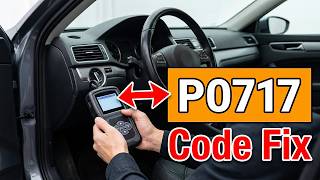
- Check Engine Light: A sensor failure will almost always trigger the Check Engine Light, often accompanied by the VSC and TRAC OFF lights. Common trouble codes include P0717 (Input/Turbine Speed Sensor Circuit No Signal). 🎬 Watch this guide on diagnosing and fixing the P0717 code.
- Cruise Control Not Working: The cruise control system requires a steady speed signal to function, so it will often become disabled when the sensor fails.
- Limp Mode: In some cases, the transmission may enter a fail-safe or "limp" mode, where it gets stuck in a single gear to prevent further damage.
Choosing the Right Aftermarket Part: OEM vs. Standard Ignition
When replacing electronic parts on a Lexus, quality matters. While the OEM sensor is the safest choice for guaranteed compatibility, a high-quality aftermarket part can be a cost-effective alternative.
- OEM (Original Equipment Manufacturer): The genuine Lexus part (Part No. 89413-50010) is the benchmark for quality and longevity. For a critical electronic component, many owners prefer the peace of mind that comes with using the original part.
- Standard Ignition (Aftermarket): Standard Motor Products (SMP) is a long-standing aftermarket brand. They are generally considered a reliable option, often better than budget parts found online. However, it's important to ensure you are getting their standard line, not a lower-tier product, for a vehicle like the LS430. An aftermarket sensor from a reputable brand like Standard Ignition should perform correctly and offers significant savings.
Pro Tip: Before replacing the sensor, have the trouble codes read with a quality scanner. Some shifting issues on 2004 models can be related to an outdated computer calibration, which is addressed by Technical Service Bulletin (TSB) TC006-04.
🎬 Learn how ECU faults can also cause these harsh shifts.Replacement Cost Comparison
| Part Type | Estimated Part Cost |
|---|---|
| New OEM (Lexus) | $120 - $180 |
| New Aftermarket (Standard Ignition) | $68.52 |
| Used OEM | $40 - $80 |
| Shop Labor | $100 - $200 |
Known Issues, Recalls, and TSBs
There are no specific recalls for the transmission speed sensors on the 2001-2004 LS430. However, owners of 2004 models should be aware of a major recall (NHTSA ID: 04V317000) where the entire transmission was replaced due to a potential failure of the parking lock mechanism. This issue is not caused by the speed sensor but is a significant known issue for that model year. Additionally, TSB TC006-04 was released for 2004 models to update the transmission software for smoother low-speed shifting.
Frequently Asked Questions
Can I replace the LS430 input speed sensor myself?
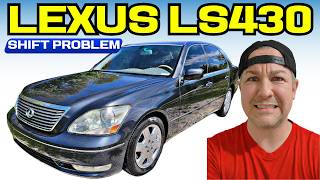
Yes, this is a manageable DIY job for someone with basic tools. The sensor is located on the outside of the transmission and held by a single bolt. 🎬 See how to quickly solve these transmission shifting problems yourself. The biggest challenge is the very tight access space, which requires patience and working from underneath the car.
What happens if I don't replace a bad input speed sensor?
Continuing to drive with a failing sensor can cause more than just annoyance. The constant harsh shifting can cause premature wear and damage to internal transmission components like clutches and solenoids. It can also leave you stranded if the transmission goes into limp mode or stops engaging gears entirely.
Is the input speed sensor the same as the output speed sensor?
No, they are two different sensors, though they may look identical. The LS430 has both an input (NT) and an output (SP2) speed sensor. They are often replaced in pairs, as they are the same age and work together. The input sensor measures the shaft speed from the engine, while the output sensor measures the speed of the shaft going to the wheels.
My speedometer is acting up. Is that the input speed sensor?
Usually, an erratic or dead speedometer is caused by a failing output speed sensor (OSS), not the input sensor. The input sensor's failure primarily affects shift quality. However, since both sensors work together, a failure in one can sometimes cause confusing symptoms. A diagnostic scan is the best way to identify which sensor is at fault.
Helpful Videos



Technical Specifications
OEM Part Numbers: 89413-50010
The LS430 uses two primary transmission speed sensors, an input (NT) and an output (SP2). They are externally mounted on the transmission case.
We Have This Part in Stock


The information in this article is provided for general reference and educational purposes only. Vehicle specifications, procedures, and part compatibility can vary by production date, trim level, and region. Always consult your vehicle's factory service manual and verify part numbers before purchasing or performing repairs. Safety-critical components such as airbags, seat belts, and braking systems should be installed by a qualified professional.
- Lexus LS430: