

Chevrolet Astro 2001-2005 Ignition Knock Sensor: A Complete Guide
Everything you need to know before replacing the knock sensor on your 4.3L V6 Astro van.
- A bad knock sensor will trigger a Check Engine Light, most commonly with code P0327.
- Replacement is easy once you remove the interior engine cover; the sensor is next to the distributor.
- For best results, use an OEM-grade replacement from ACDelco or Delphi to ensure compatibility.
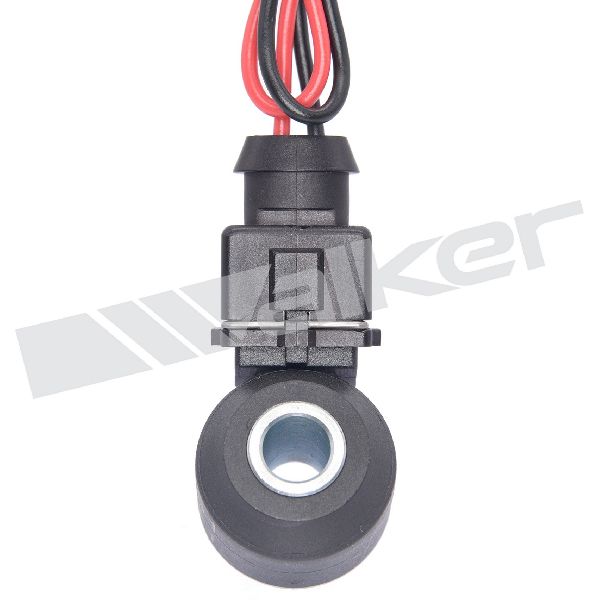
- Always check the wiring and connector for damage before replacing the sensor itself.
Is Your Astro Van Running Rough? It Could Be the Knock Sensor.
If your 2001-2005 Chevrolet Astro is feeling sluggish, getting bad gas mileage, or has the Check Engine Light on, a faulty knock sensor could be the culprit. This sensor is a critical part of the engine management system, and when it fails, it can cause a range of noticeable problems. This guide will walk you through the symptoms, how to choose the right aftermarket replacement, and what to expect during the repair.
Symptoms of a Failing Knock Sensor on a 2001-2005 Astro
A bad knock sensor can trick the engine's computer, leading to poor performance. Here’s what to look out for:
- Check Engine Light: This is the most common sign. A code like P0327 (Knock Sensor Circuit Low Input) is a clear pointer to a sensor or circuit problem.
- Reduced Power and Acceleration: The computer may default to a 'safe mode' with retarded ignition timing to prevent potential damage, making your van feel slow and unresponsive.
- Audible Engine Knocking or Pinging: You might hear a metallic pinging sound, especially when accelerating or hauling a heavy load. This is the sound of the uncontrolled combustion that a working sensor is supposed to prevent.
- Poor Fuel Economy: When ignition timing isn't optimized, the engine burns fuel less efficiently, and you'll notice more frequent stops at the gas station.
A Note on Wiring
Before condemning the sensor, always inspect the wiring and connector. The sensor is located on the engine block where it's exposed to heat and vibration. A damaged wire or corroded connector can cause the same symptoms as a failed sensor.
Choosing the Right Aftermarket Knock Sensor
For a critical sensor like this, brand and quality matter. Sticking with a reputable manufacturer can save you the headache of a premature failure and having to do the job twice. Here’s a breakdown of the available brands:
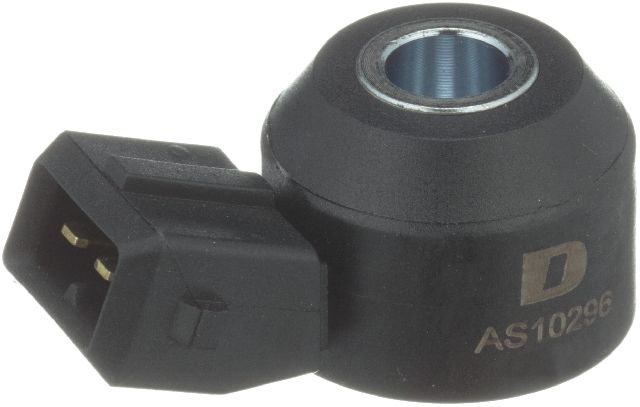
- OEM-Grade (ACDelco, Delphi): ACDelco is the original GM parts supplier, making it the true OEM choice. Delphi was also a major OEM supplier to GM and is widely trusted. For critical sensors, choosing one of these two brands is the safest bet for guaranteed compatibility and reliability. Forum users frequently recommend sticking with ACDelco or Delphi for sensors to avoid problems.
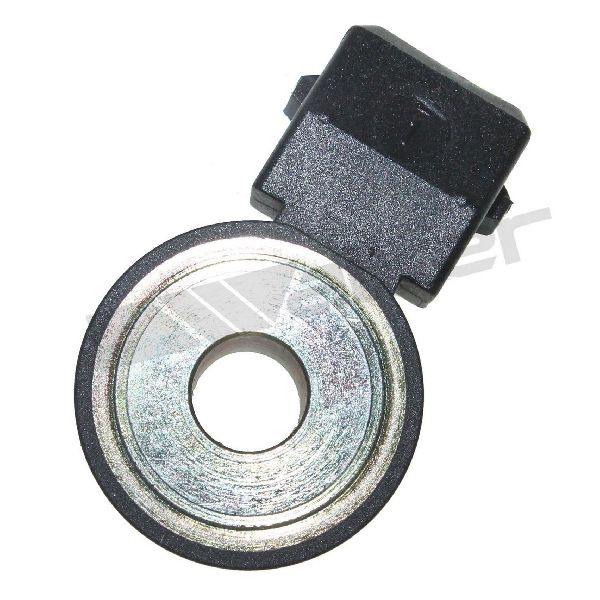
- Quality Aftermarket (Standard Ignition, Walker Products, Holstein): These brands aim to provide OE-quality performance at a lower price. Walker Products emphasizes its testing and quality control. Standard Ignition is a very common aftermarket brand, though some user reviews are mixed. Holstein claims to use factories that also supply OEM parts and offers a strong warranty. These can be good options if the OEM-grade parts are out of budget.
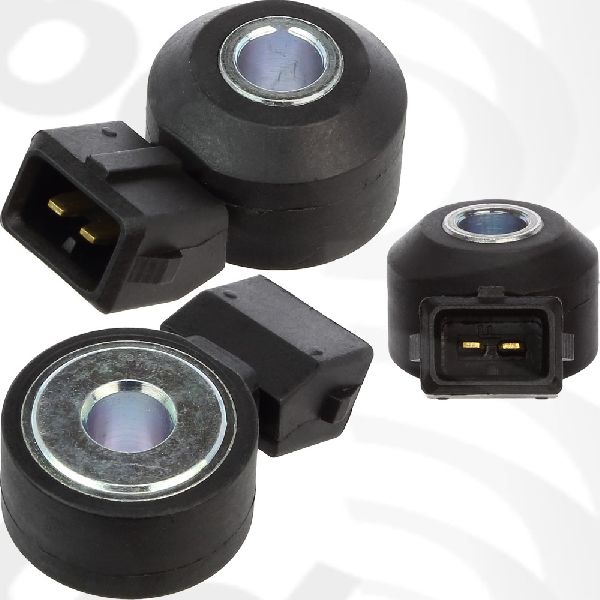
- Budget-Friendly (Global Parts): These are typically the most affordable options. While they can get your vehicle back on the road, their long-term durability and sensor accuracy may not match the higher-tiered brands.
Pro-Tip: Check the Thread
Some owner experiences suggest there may be two different thread pitches for the knock sensor on these vans. It is crucial to verify you are purchasing the correct part for your specific van, either by checking the old part or confirming with the seller.
Cost of Replacing the Knock Sensor
The cost can be broken down into parts and labor. The part itself is affordable, but accessing it takes some work.
| Part/Service | Estimated Cost |
|---|---|
| New Aftermarket Sensor | $35 - $62 |
| New OEM (ACDelco) Sensor | $50 - $80 |
| Shop Labor | $100 - $200 |
| Total Professional Replacement | $135 - $280 |
Frequently Asked Questions
Where is the knock sensor located on the 2001-2005 Astro?
The knock sensor is located on the driver's side of the engine block, right next to the distributor. To access it, you must remove the interior engine cover (often called the 'doghouse') from between the front seats.
Can I replace the knock sensor myself?
Yes, this is a very feasible DIY job for someone with basic tools. The hardest part is removing the engine cover. Once you have access, the sensor is only held in by one bolt and an electrical connector. The actual swap takes only a few minutes.
Do I need to drain the coolant to replace it?
No. The knock sensor on the 4.3L V6 is mounted on the exterior of the engine block and does not intersect with any coolant passages. You can replace it without draining the cooling system.
Are there any recalls for the Astro knock sensor?
No, searches of the NHTSA database and other sources show no official recalls or widespread Technical Service Bulletins (TSBs) for knock sensor failure on the 2001-2005 Chevrolet Astro. Failures are typically due to age, heat, and vibration.
Technical Specifications
OEM Part Numbers: 10456018 10456031 213-924
Location: Engine Block, Driver's Side, Next to Distributor. Access: Requires removal of interior engine cover ('doghouse').
We Have This Part in Stock


The information in this article is provided for general reference and educational purposes only. Vehicle specifications, procedures, and part compatibility can vary by production date, trim level, and region. Always consult your vehicle's factory service manual and verify part numbers before purchasing or performing repairs. Safety-critical components such as airbags, seat belts, and braking systems should be installed by a qualified professional.
- Chevrolet Astro: