

Ford Escape 2.0L Engine Timing Belt Guide: 2001-2004
If your Escape has the 2.0L 4-cylinder engine, this critical guide to its timing belt is for you.
- Only the 2.0L Zetec engine used from 2001-2004 has a timing belt; the V6 and later 2.3L engines use a timing chain.
- Always replace the timing belt, tensioner, and idler pulley as a complete kit to ensure reliability.
- Due to the risk of catastrophic engine damage, do not exceed the recommended replacement interval of 100,000-120,000 miles or 10 years.
- Consider replacing the water pump at the same time as the timing belt to save on future labor costs.
Does Your Escape Have a Timing Belt or Chain?

This is the most important question for 2001-2005 Ford Escape owners. The answer depends entirely on your engine:
- 2.0L 'Zetec' 4-Cylinder (2001-2004): Your engine has a timing belt that requires periodic replacement.
- 3.0L 'Duratec' V6 (2001-2005): Your engine has a timing chain that is designed to last the life of the engine.
- 2.3L 'Duratec' 4-Cylinder (2005): Your engine has a timing chain.
Pro Tip: If you are unsure which engine you have, check the emissions label under the hood or your vehicle's documentation. This guide applies ONLY to the 2.0L engine.
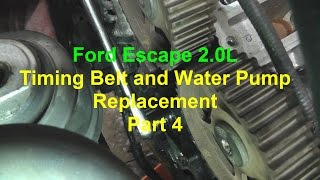
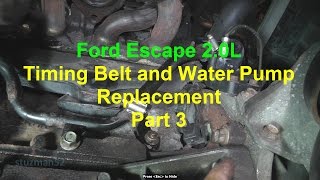
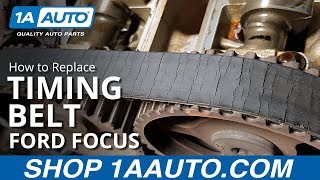
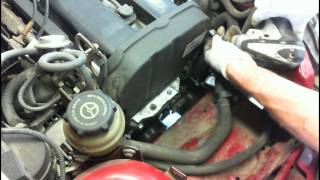
🎬 Watch: A complete step-by-step timing belt replacement walkthrough.Is the 2.0L Zetec an Interference Engine?
There is conflicting information online about whether the 2.0L Zetec is an interference or non-interference engine. An interference engine means that if the timing belt breaks, the pistons will hit and destroy the valves, leading to catastrophic and expensive engine damage. A non-interference engine's pistons and valves will not collide. Because of this uncertainty, it is safest to assume it IS an interference engine. The risk of severe engine damage is too high to ignore. Timely replacement is your best protection.
Choosing the Right Aftermarket Timing Belt

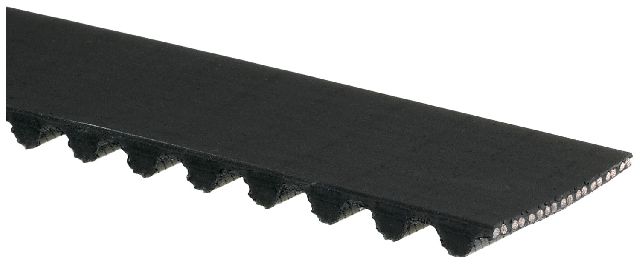
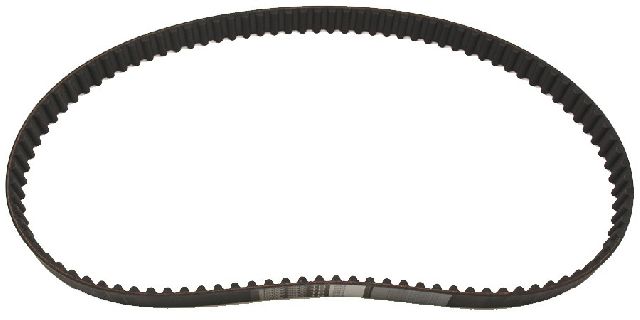
For a part this critical, quality is paramount. While an OEM part is a safe bet, high-quality aftermarket kits offer excellent performance and value. The most common failure point isn't always the belt itself, but the tensioner that keeps it tight. For this reason, you should always replace the timing belt, tensioner, and any idler pulleys as a complete kit.
Brand Quality Tiers
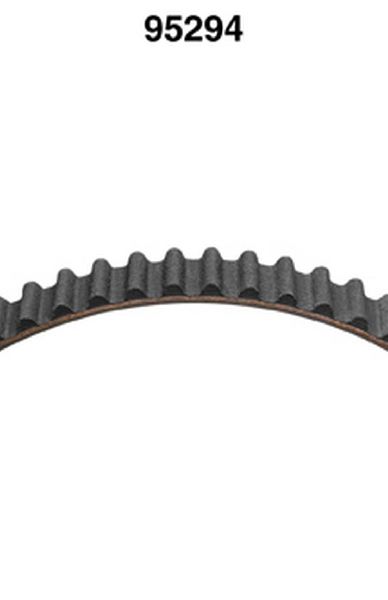
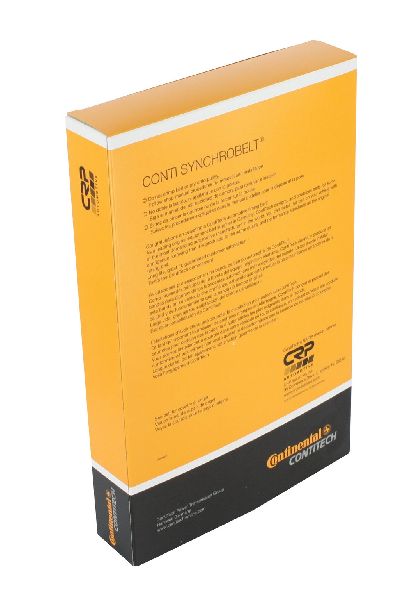
- Top-Tier Aftermarket (OEM-Equivalent): Brands like Gates, Continental, and Dayco are well-regarded manufacturers who are often original equipment suppliers to automakers. Kits from these brands are trusted for their reliability and durability and are widely available for the 2.0L Escape engine.
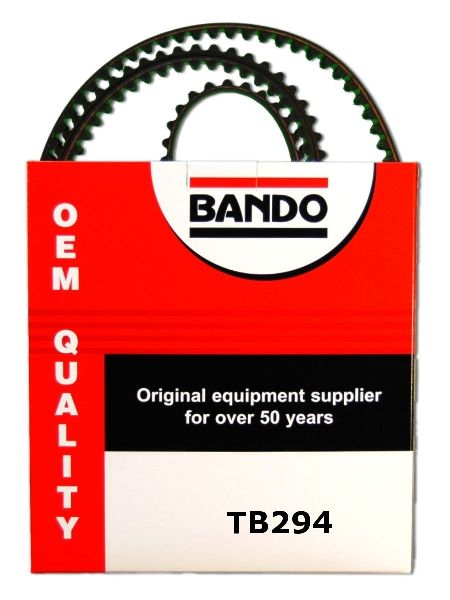
- Standard Aftermarket: Brands like Cloyes and Bando also offer timing components and kits. Cloyes is a long-standing name in timing systems. These provide a reliable option that meets standard replacement needs.
When shopping, look for a complete kit that includes the belt, tensioner, and idler pulley. Some kits also include a new water pump, which is a smart and cost-effective part to replace at the same time since the job requires removing the timing belt to access it.
| Brand | Typical Price Range (Kit) | Notes |
|---|---|---|
| Gates | $55 - $75 | Often considered an OEM-quality benchmark. |
| Continental | $45 - $70 | Another top-tier OEM supplier. |
| Dayco | $50 - $76 | A well-known and reliable aftermarket choice. |
| Cloyes | $35 - $65 | Specializes in timing components. |
| Bando | $30 - $50 | Offers a budget-friendly option. |
Known Issues, Recalls, or TSBs
Searches for official NHTSA recalls or Technical Service Bulletins (TSBs) specifically for the timing belt on the 2001-2004 Ford Escape 2.0L engine did not show any results. Recalls for this vehicle generation were related to other issues like sticking accelerator cables. The primary issue is simply the need for regular, age-based maintenance.
Frequently Asked Questions (FAQ)

What are the signs of a failing timing belt?
Symptoms include a ticking or rattling noise from the front of the engine, engine misfires, or the engine failing to start. If the belt has already broken, the engine will crank but will not start.
When should I replace the timing belt on my 2.0L Escape?
The generally accepted interval is every 100,000 to 120,000 miles. However, due to the age of these vehicles, it's highly recommended to replace it based on age (every 7-10 years) if the mileage interval has not been reached. If you've just purchased a used Escape and don't have service records, you should plan to replace it immediately for peace of mind.
Should I replace the water pump with the timing belt?
Yes, it is highly recommended. The water pump is located behind the timing belt cover and is driven by the timing belt. Replacing it during a timing belt job saves you from paying for the same labor twice 🎬 Watch this video to see the final water pump installation. if the water pump fails later. Many aftermarket kits are available that include the water pump.
Can I replace the timing belt myself?
This is a job for an experienced DIY mechanic. It requires specific tools to hold the camshafts 🎬 See how to properly align and time the Zetec engine. and crankshaft in alignment, and a mistake can lead to serious engine damage. If you are not completely comfortable with this type of work, it is best left to a professional shop.
Helpful Videos
Technical Specifications
OEM Part Numbers: YS4Z-6268-BC 1S4Z-6K254-AA
This part is specific to the 2.0L DOHC 'Zetec' 4-cylinder engine found in 2001, 2002, 2003, and 2004 Ford Escape models.
We Have This Part in Stock

The information in this article is provided for general reference and educational purposes only. Vehicle specifications, procedures, and part compatibility can vary by production date, trim level, and region. Always consult your vehicle's factory service manual and verify part numbers before purchasing or performing repairs. Safety-critical components such as airbags, seat belts, and braking systems should be installed by a qualified professional.
- Ford Escape: