

Ford Ranger Oxygen Sensor Guide (2001-2005): Choosing the Right Replacement
Fix your check engine light and poor gas mileage by choosing the right oxygen sensor for your truck.
- Your Ranger has 2 to 4 oxygen sensors depending on the engine and fuel system; identify the correct one before buying.
- Bosch, Denso, and NGK/NTK are highly-regarded aftermarket brands that offer OEM-level quality at a better price.
- Sensors can be difficult to remove due to rust; soak the threads with penetrating oil beforehand.
- Always use an O2 sensor socket for removal and apply anti-seize compound to the new sensor's threads before installation.
Is Your Ranger's Oxygen Sensor Failing?

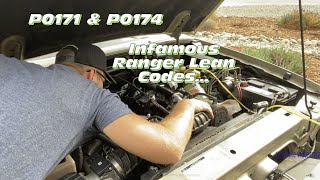
A bad oxygen sensor can cause noticeable problems with your truck. Because the sensor's input is so vital for controlling the fuel mixture, a failure often triggers the Check Engine Light. 🎬 Watch: How to diagnose lean codes and sensor issues. You might also notice your truck is getting worse gas mileage than it used to, or that the engine idles roughly. These symptoms occur because the engine computer is guessing the air/fuel ratio, often running too rich (too much fuel) to be safe.
OEM vs. Aftermarket: What's Best for Your Ranger?

When replacing an O2 sensor, you have two main choices: Original Equipment Manufacturer (OEM) or aftermarket. The OEM part for your Ranger is from Motorcraft. Forum users and mechanics often report that Bosch is the original manufacturer for many Ford truck sensors, meaning a Bosch part may be identical to the Motorcraft one, just in a different box. High-quality aftermarket brands like Bosch, Denso, and NGK (also sold as NTK) are widely considered reliable and are often much more affordable than OEM parts. Cheaper, lesser-known brands can be a gamble; while they might work initially, they may have a shorter lifespan or less accurate readings, leading to recurring problems. For a critical part like an O2 sensor, sticking with a reputable aftermarket brand offers a good balance of quality and value.
Choosing the Right Aftermarket O2 Sensor
Not all aftermarket sensors are created equal. Here’s a breakdown of trusted brands for your 2001-2005 Ranger:
- Top-Tier (OEM Quality): Bosch, Denso, and NGK/NTK are excellent choices. Many Ranger owners report using Bosch sensors with great success, and some consider them to be the original part manufacturer for Ford. These brands engineer their sensors to meet or exceed OEM specifications.
- Mid-Tier (Reliable Alternatives): Brands like Delphi, Spectra, and Walker Products offer a solid combination of performance and price. They are generally considered dependable for daily driving.
- Value-Tier (Budget-Friendly): Brands like DriveWire are more affordable but may come with a risk of shorter service life or inconsistent quality. If you're on a tight budget, they can work, but a top-tier brand is recommended for long-term reliability.
Pro Tip: Upstream vs. Downstream
Upstream and downstream sensors are not interchangeable. The upstream sensors (Bank 1, Sensor 1 and Bank 2, Sensor 1 on V6 engines) are critical for fuel control. The downstream sensor (Bank 1, Sensor 2) monitors the catalytic converter. Always replace the specific sensor indicated by the trouble code. The primary difference between left and right upstream sensors is often just the wire length.
Estimated Replacement Costs
| Part Type | Estimated Cost |
|---|---|
| New OEM (Motorcraft) | $70 - $150 |
| New Aftermarket | $34.81 - $127.50 |
| Shop Labor | $50 - $120 |
Known Issues, Recalls, or TSBs

Searches for the 2001-2005 Ford Ranger did not reveal any specific recalls or Technical Service Bulletins (TSBs) directly related to oxygen sensor failure from the NHTSA. The most common issues reported by owners are standard wear-and-tear failures. One frequent challenge during replacement is the sensor seizing in the exhaust pipe due to rust. Applying a penetrating oil like PB Blaster before attempting removal is highly recommended.
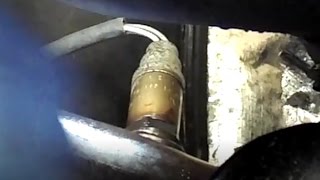
🎬 See these easy tricks for removing stuck oxygen sensors.Frequently Asked Questions (FAQ)

How many oxygen sensors does my 2001-2005 Ranger have?
It depends on your engine. The 2.3L 4-cylinder engine typically has two sensors: one upstream and one downstream. The 3.0L and 4.0L V6 engines usually have three sensors: two upstream (one for each cylinder bank) and one downstream. Some flex-fuel models may have four sensors.
What tools do I need to replace an O2 sensor?
You will need a specific O2 sensor socket, which is a deep socket with a slot for the wire to pass through. A 7/8-inch (or 22mm) wrench can also work. It's also crucial to have anti-seize compound to apply to the threads of the new sensor to prevent it from getting stuck in the future. Many new sensors come with anti-seize already applied.
Where are the O2 sensors located on my Ranger?
The upstream sensors (Bank 1 Sensor 1, Bank 2 Sensor 1) are in the exhaust manifolds, before the catalytic converter. The downstream sensor (Bank 1 Sensor 2) is located after the catalytic converter. 🎬 Watch: Step-by-step guide to replacing the downstream sensor. Accessing the passenger side upstream sensor can sometimes require removing the inner fender liner for better reach.
Can I clean my oxygen sensor instead of replacing it?
No, cleaning an oxygen sensor is not recommended. The sensing element is delicate, and cleaning solvents can damage it permanently. If the sensor is failing, it needs to be replaced.
Helpful Videos

Technical Specifications
OEM Part Numbers: DY-847
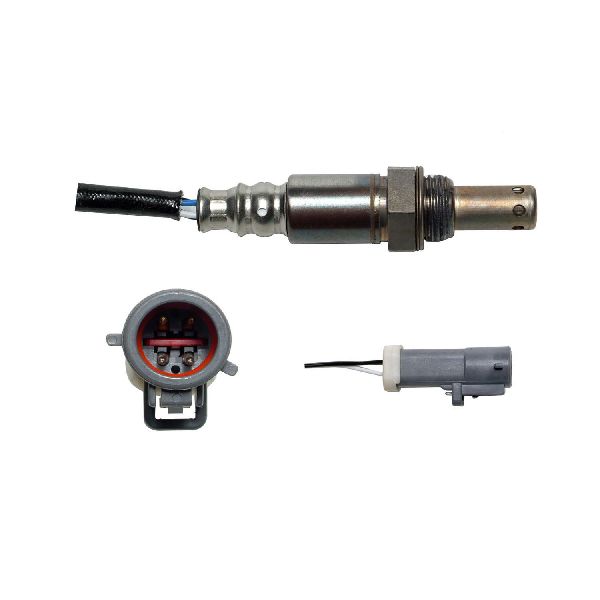
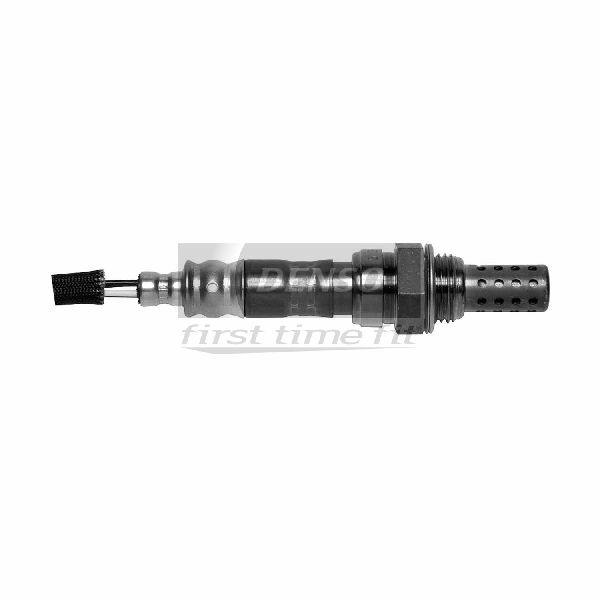
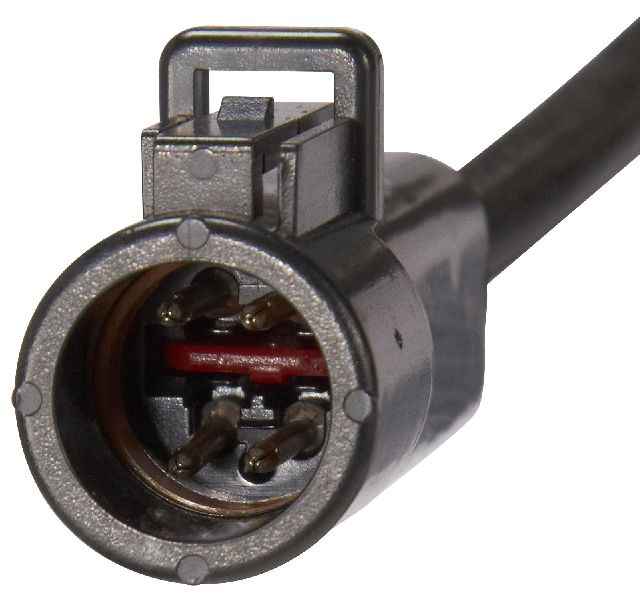
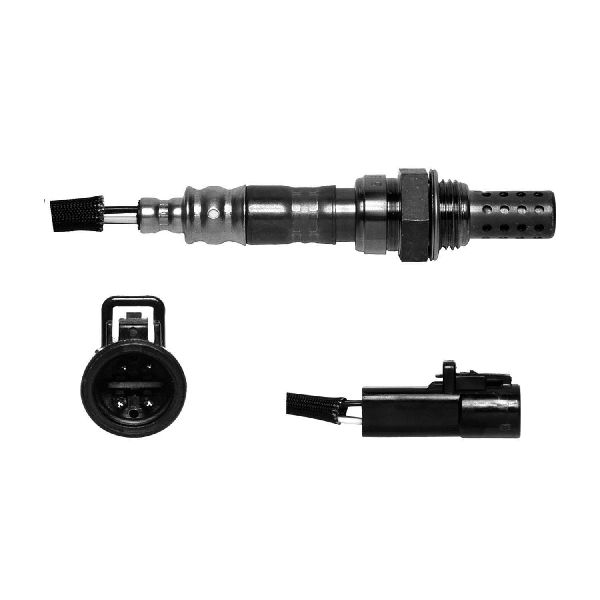
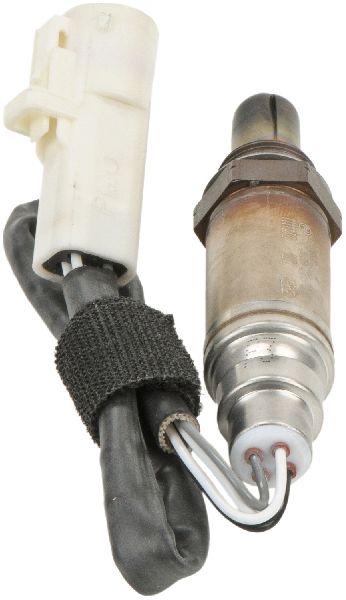
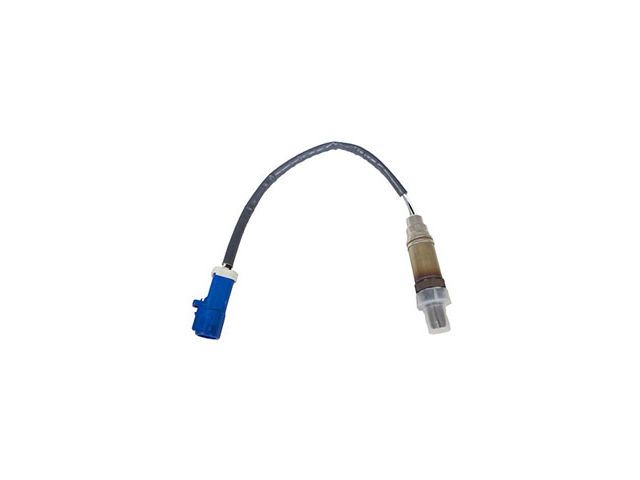
Your 2001-2005 Ford Ranger uses heated, 4-wire oxygen sensors. The number of sensors varies: 2.3L I4 engines typically have two (one upstream, one downstream), while 3.0L and 4.0L V6 engines have three (two upstream, one downstream). Upstream and downstream sensors are different parts and are not interchangeable. The wrench/socket size required for removal is typically 7/8" or 22mm.
We Have This Part in Stock

The information in this article is provided for general reference and educational purposes only. Vehicle specifications, procedures, and part compatibility can vary by production date, trim level, and region. Always consult your vehicle's factory service manual and verify part numbers before purchasing or performing repairs. Safety-critical components such as airbags, seat belts, and braking systems should be installed by a qualified professional.
- Ford Ranger:
- 🎬 Helpful Videos
- 🛍️ Shop This Part
- Is Your Ranger's Oxygen Sensor Failing?
- OEM vs. Aftermarket: What's Best for Your Ranger?
- Choosing the Right Aftermarket O2 Sensor
- Pro Tip: Upstream vs. Downstream
- Estimated Replacement Costs
- Known Issues, Recalls, or TSBs
- Frequently Asked Questions (FAQ)
- 🎟️ Get 5% Off