

A Guide to Replacing Ignition Coils on Your 2001-2005 Hyundai Santa Fe
Engine misfiring or running rough? Your ignition coils might be the problem—here’s how to choose the right replacement.
- Know your engine: The 2.4L/2.7L use coil packs with wires, while the 3.5L uses individual coil-on-plugs.
- Replacing rear coils on V6 models is difficult and requires removing the intake manifold, significantly increasing labor time and cost.
- On 3.5L V6 models, check the 'ignition failure sensor' if your tachometer is also dead, as it might be the true cause of misfires, not the coils.
- For best results, replace all coils at once along with the spark plugs. Reputable brands like NGK, Delphi, and Denso are recommended.
Is Your Santa Fe's Ignition Coil Failing?

A bad ignition coil will directly impact how your engine runs. The signs are usually obvious and shouldn't be ignored, as a persistent misfire can damage other expensive parts like the catalytic converter. Look for these common symptoms:
- Check Engine Light: This is often the first sign. The light will come on if the engine's computer detects a misfire. Common codes include P0300 (random misfire), P0301-P0306 (misfire in a specific cylinder), and P0350 (ignition coil circuit malfunction).
- Rough Idle and Stalling: The engine may shake or vibrate noticeably when stopped, and in severe cases, it might stall completely.
- Loss of Power: Your Santa Fe may feel sluggish, hesitate when you accelerate, and have trouble climbing hills.
- Poor Fuel Economy: When a cylinder misfires, unburnt fuel is wasted, causing you to fill up your gas tank more often.
- Gasoline Smell: A failing coil can lead to incomplete combustion, allowing raw fuel to pass into the exhaust system, which you might smell.
A Note on Recalls for 2001-2005 Santa Fe
There is a well-known recall (NHTSA #14V-435) for this generation of Santa Fe related to "coils," but it is for the front suspension coil springs, which could rust and break in certain states. This recall has nothing to do with the ignition coils in your engine.
Choosing the Right Aftermarket Ignition Coil

When replacing ignition coils, you have a choice between OEM (Original Equipment Manufacturer) and a wide range of aftermarket brands. For the 2001-2005 Santa Fe, many aftermarket options provide a good balance of quality and value. Here’s how to think about the brands available:
Tier 1: Premium & OEM-Quality Brands
These brands are often original equipment suppliers to Hyundai and other automakers. They offer the highest quality and reliability, making them a top choice if your budget allows.
- NGK: Widely respected for ignition components, NGK coils are manufactured to meet or exceed OE standards and are a trusted choice for Hyundai vehicles.
- Delphi: As a major OE manufacturer, Delphi coils are designed for durability, fast starts, and consistent performance.
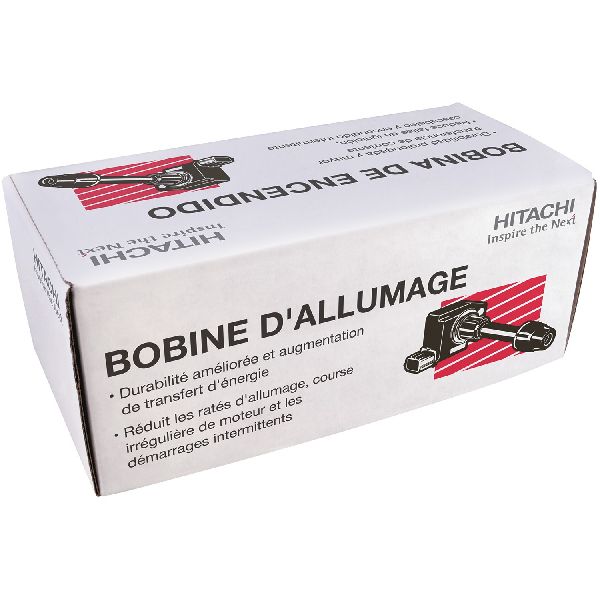
- Hitachi: Another known OE supplier, Hitachi parts are a reliable option if available for your specific engine.
- Denso: Denso is a leader in ignition technology and an original equipment supplier, ensuring a high-quality part.
Tier 2: Reputable Aftermarket Brands
These brands have a long history in the aftermarket and offer a solid combination of performance and price. They are a dependable choice for most repairs.
- Standard Ignition (Standard Motor Products): A long-standing brand in the industry, generally considered to provide quality replacement parts.
- Beck Arnley: This brand often sources parts from various OEM suppliers and repackages them, so you may get an OEM-quality part at an aftermarket price.
Tier 3: Economy & Value Brands
These brands (such as DriveWire, Skyward, True Tech, etc.) focus on providing the most affordable options. They can be a good choice for budget-conscious repairs, but may not offer the same longevity or performance as premium brands.
Pro Tip: Engine Differences Matter
The 2.4L I4 uses two coil packs. The 2.7L V6 uses three coil packs. The 3.5L V6 uses six individual coil-on-plug coils. Make sure you order the correct number and type for your engine.
Known Issues for This Vehicle

- 3.5L V6 Ignition Failure Sensor: On the 3.5L engine, if you have multiple misfire codes (like P0300, P0301-P0306) and a P0350 code, and your tachometer stops working, the problem may not be the coils themselves. It could be a separate part called the "ignition failure sensor" or "misfire sensor." Investigate this before replacing all six coils.
- V6 Rear Coil Replacement: On both the 2.7L and 3.5L V6 engines, the three coils for the rear cylinders are located underneath the upper intake manifold. Replacing them requires removing the manifold, which makes the job significantly more difficult and time-consuming.
- Ignition Coil Harness: In some cases, the wiring harness that connects to the ignition coils can become brittle and fail, causing misfires even with new coils. It's a good idea to inspect the harness for damage while you're working.
Cost of Replacing Ignition Coils on a 2001-2005 Santa Fe

Costs can vary significantly based on your engine and whether you do the work yourself. The biggest factor for V6 models is the labor required to access the rear coils.
| Part / Service | Estimated Cost |
|---|---|
| New OEM Ignition Coil (per coil) | $150 - $330+ |
| New Aftermarket Ignition Coil (per coil) | $28 - $150 |
| Shop Labor (2.4L I4 or V6 Front Coils Only) | $75 - $150 |
| Shop Labor (V6 Full Set, incl. Rear Coils) | $250 - $450+ |
Frequently Asked Questions (FAQ)
Should I replace all ignition coils at once?
It is highly recommended. Ignition coils are subjected to the same heat and wear over time. If one has failed, the others are likely nearing the end of their service life. Replacing them all at once, especially on V6 models where accessing the rear coils is labor-intensive, saves you from having to do the same job again in the near future.
Is replacing the ignition coils a DIY job?
For the 2.4L 4-cylinder engine, yes. The two coil packs are easily accessible on top of the engine. For the 2.7L and 3.5L V6 engines, replacing the front three coils is also straightforward. However, replacing the rear three coils is a much more advanced job because it requires removing the upper intake manifold. This can be difficult for a beginner and may be best left to a professional mechanic.
Do I need to replace the spark plugs at the same time?
Yes, it is best practice to replace the spark plugs whenever you replace ignition coils. Worn spark plugs can put extra strain on the new coils, causing them to fail prematurely. Since you already have everything taken apart, replacing the plugs adds little extra labor. Many owners recommend using NGK spark plugs for Hyundai vehicles.
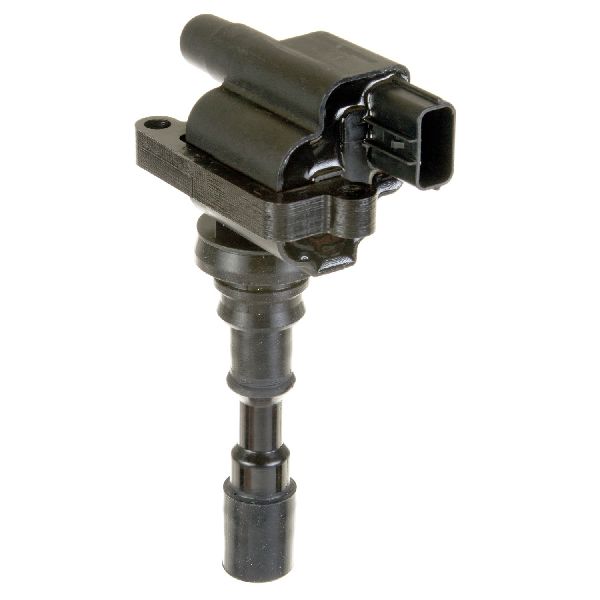
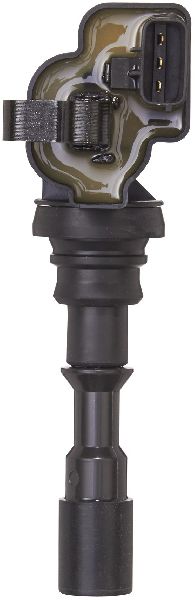
What's the difference between a coil pack and a coil-on-plug?
Your Santa Fe uses one of two types. The 2.4L and 2.7L engines use coil packs, which are small transformer blocks that each send power to two spark plugs via spark plug wires. The 3.5L engine uses a coil-on-plug (COP) design, where each spark plug has its own individual coil sitting directly on top of it, eliminating the need for spark plug wires.
Helpful Videos
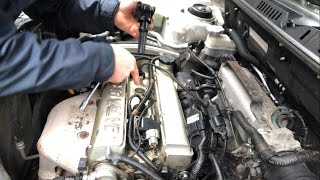
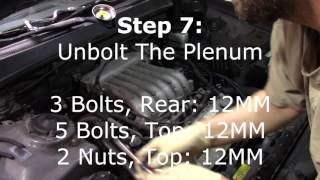
Technical Specifications
OEM Part Numbers: 27301-38020 (for 2.4L I4) 27301-37110 (for 2.7L V6) 27301-37120 (for 2.7L V6) 27301-39800 (for 3.5L V6)
System Type: Waste Spark (2.4L, 2.7L) or Coil-on-Plug (3.5L). Voltage: 12V input.
We Have This Part in Stock


The information in this article is provided for general reference and educational purposes only. Vehicle specifications, procedures, and part compatibility can vary by production date, trim level, and region. Always consult your vehicle's factory service manual and verify part numbers before purchasing or performing repairs. Safety-critical components such as airbags, seat belts, and braking systems should be installed by a qualified professional.
- Hyundai Santa Fe:
- 🎬 Helpful Videos
- 🛍️ Shop This Part
- Is Your Santa Fe's Ignition Coil Failing?
- A Note on Recalls for 2001-2005 Santa Fe
- Choosing the Right Aftermarket Ignition Coil
- Tier 1: Premium & OEM-Quality Brands
- Tier 2: Reputable Aftermarket Brands
- Tier 3: Economy & Value Brands
- Pro Tip: Engine Differences Matter
- Known Issues for This Vehicle
- Cost of Replacing Ignition Coils on a 2001-2005 Santa Fe
- Frequently Asked Questions (FAQ)
- 🎟️ Get 5% Off