

A Guide to Replacing the Radiator Coolant Hose on Your 2001-2005 Kia Optima
Don't let a bad hose leave you stranded; learn how to spot the signs of failure and choose the right aftermarket replacement.
- For a 2001-2005 Optima, replace radiator hoses based on age, not just appearance, to prevent sudden failure.
- Reputable aftermarket brands like Gates, Dayco, and Continental offer OEM-quality hoses that are reliable and cost-effective.
- Always replace both upper and lower hoses at the same time, along with the hose clamps, for a complete repair.
- Do not drive if you suspect a serious coolant leak or if the engine is overheating, as this can cause catastrophic engine damage.
Signs of a Failing Radiator Hose
For a 2001-2005 Kia Optima, radiator hoses are well past their expected service life. Age, heat cycles, and oil contamination are the primary causes of failure. Look for these clear warning signs:
- Coolant Leaks: Puddles of green, yellow, or orange fluid under your car are a sure sign of a leak. You may also notice a sweet smell from the engine bay.
- Visible Damage: Inspect the hoses for cracks, splits, or bulging areas. A hose that feels rock-hard, brittle, or overly soft and spongy needs immediate replacement. A crunching sound when squeezed (when the engine is cold) also indicates internal deterioration.
- Engine Overheating: If your temperature gauge climbs into the red, or you see steam coming from under the hood, a failed hose could be the cause. A collapsed hose can also restrict coolant flow and lead to overheating.
- Poor Heater Performance: While less common, a blocked or leaking hose can sometimes affect your car's interior heater performance.
Choosing the Right Aftermarket Hose
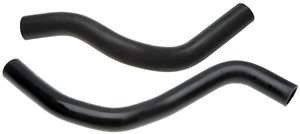
For a vehicle like the 2001-2005 Optima, finding original equipment (OEM) hoses can be difficult and often unnecessary. High-quality aftermarket brands offer excellent performance and durability, often meeting or exceeding original specifications. The key is to choose a reputable brand.
OEM vs. Aftermarket Quality
For a simple wear item like a radiator hose on an older vehicle, there is little to no practical difference in quality between a genuine Kia hose and a new one from a top-tier aftermarket brand like Gates, Dayco, or Continental. These brands are known suppliers to automakers and the aftermarket alike. They use high-quality EPDM rubber designed to resist heat, oil, and electrochemical degradation, which is a leading cause of hose failure. The most important factors are a proper fit and timely replacement.
Brand Options: Continental, Dayco, and Gates
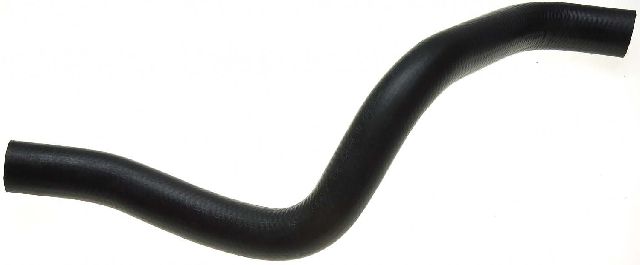
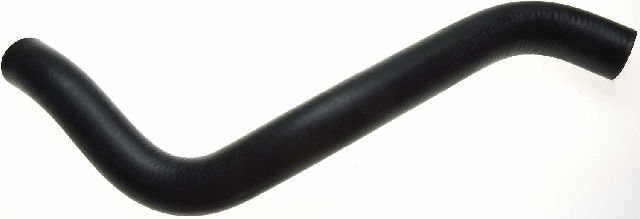
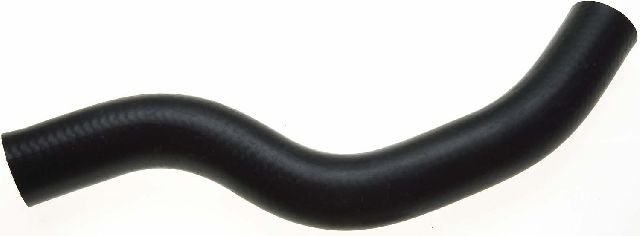
Continental, Dayco, and Gates are all considered top-tier, reliable brands for radiator hoses. You can confidently choose any of these based on price and availability for your Optima. There is no significant quality difference that makes one brand a better choice over the others for this specific application. All three manufacture molded hoses designed to be a direct fit for your vehicle, ensuring a proper connection without kinks or stress.
| Part/Service | Estimated Cost |
|---|---|
| New Aftermarket Hose (Single) | $22.47 - $43.93 |
| New OEM Hose (Single) | $22.00 - $30.00 |
| Shop Labor for Replacement | $49 - $72 |
| Total Professional Replacement (Aftermarket) | $71 - $116 |
Note: Prices are estimates and can vary based on your location and specific vehicle configuration (2.4L 4-Cylinder vs. 2.5L/2.7L V6). It is highly recommended to replace both the upper and lower radiator hoses at the same time.
Frequently Asked Questions (FAQ)
Are there any recalls for 2001-2005 Kia Optima radiator hoses?
No, searches of the National Highway Traffic Safety Administration (NHTSA) database did not find any recalls specifically for radiator coolant hoses on the 2001-2005 Kia Optima. There was a recall for front subframe corrosion in certain states due to road salt, but it is unrelated to the cooling system hoses.
How often should I replace the radiator hoses?
As a general rule, radiator hoses should be inspected regularly and replaced proactively every 4 to 5 years. For a 2001-2005 model, if the hoses are original, they should be replaced immediately regardless of their appearance to prevent a sudden failure.
Should I replace the hose clamps too?
Yes, it is always a good practice to replace the hose clamps when you replace the hoses. The original spring-style clamps can lose tension over time. Replacing them with new spring clamps or high-quality worm-gear clamps ensures a tight, leak-free seal on the new hoses.
Is this a difficult DIY job?
For someone with basic mechanical skills, replacing the radiator hoses is a manageable job. The main challenges are safely draining the coolant, accessing the lower hose clamp (which may require raising the vehicle), and properly refilling and bleeding the air out of the cooling system afterward. If you are not comfortable with these steps, a professional mechanic can perform the job relatively quickly.
Technical Specifications
OEM Part Numbers: 2541138130 2541438130
Hoses are made of EPDM rubber, which is resistant to heat, ozone, and chemical coolants. They are pre-molded to fit specific engine applications (2.4L I4 or 2.5L/2.7L V6).
We Have This Part in Stock
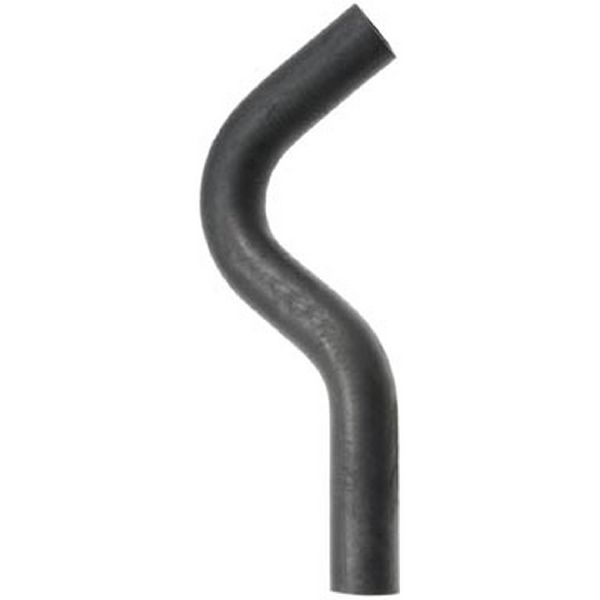
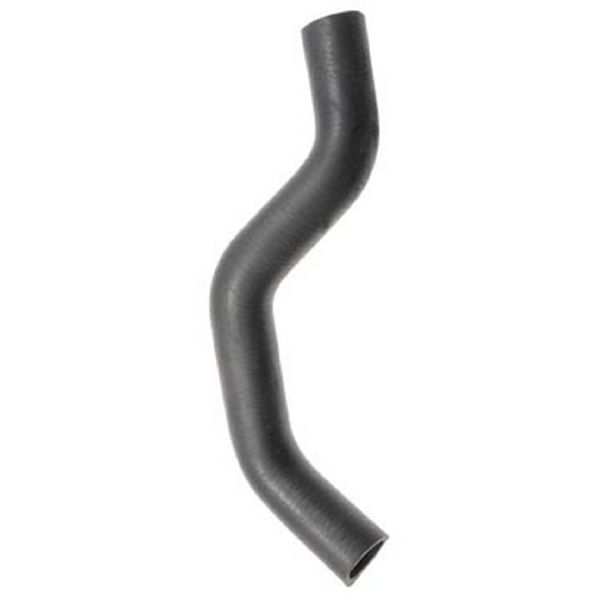

The information in this article is provided for general reference and educational purposes only. Vehicle specifications, procedures, and part compatibility can vary by production date, trim level, and region. Always consult your vehicle's factory service manual and verify part numbers before purchasing or performing repairs. Safety-critical components such as airbags, seat belts, and braking systems should be installed by a qualified professional.
- Kia Optima: