

Steering Tie Rod End Guide for the 2001-2005 Kia Optima
Fix your Optima's loose steering, clunking noises, and uneven tire wear by choosing the right tie rod end.
- A mandatory wheel alignment is required after replacement to prevent tire damage.
- For 2001-2004 models, inspect the front subframe for rust due to a major recall that causes similar symptoms.
- It is highly recommended to replace both the left and right outer tie rod ends at the same time.
- Choosing a premium aftermarket brand like Delphi or Beck Arnley can provide OEM quality for a lower price.
Is Your Kia Optima's Steering Feeling Off?
If you own a first-generation Kia Optima, you might notice the steering doesn't feel as sharp as it used to. Worn steering tie rod ends are a very common cause for these symptoms. A bad tie rod end is a ball-and-socket joint that has developed too much play, making your steering feel loose and unpredictable. Ignoring the signs can lead to unsafe driving conditions and cause rapid, costly tire wear.
Top 5 Symptoms of a Bad Tie Rod End
- Loose or Shaky Steering Wheel: The most common sign is a feeling of looseness or excessive play in the steering wheel. You might also feel vibrations or shaking through the wheel, which often gets worse as you speed up.
- Clunking or Popping Noises: A worn joint will make a distinct clunking or knocking sound, especially when you turn the wheel at low speeds or drive over bumps.
- Uneven Tire Wear: When a tie rod is loose, it throws off the wheel alignment. A classic sign is seeing the inside or outside edge of your front tires wearing down much faster than the rest of the tread.
- Vehicle Wandering: Your Optima may feel like it's drifting or pulling to one side, forcing you to constantly correct the steering wheel to stay straight.
- Squealing Sounds: In some cases, a failing tie rod boot can let dirt and water in, causing a squealing or grinding noise as you steer.
Important Vehicle-Specific Issue: Front Subframe Corrosion Recall
For 2001-2004 Kia Optima models, especially those in states with heavy road salt use (the "Salt Belt"), there was a major recall for front subframe corrosion. The corrosion can weaken the connection point for the lower control arm, leading to wheel misalignment, steering problems, and abnormal tire wear—symptoms identical to a bad tie rod end. In a worst-case scenario, the subframe could separate, causing a loss of steering control. Before replacing your tie rods, it is critical to have a mechanic inspect your front subframe for corrosion related to NHTSA Campaign ID: 09V183000.
Choosing the Right Aftermarket Tie Rod End
You don't need to buy expensive original parts from a Kia dealer. Aftermarket brands offer a wide range of quality and price points. For your 2001-2005 Optima, these parts can be grouped into a few tiers.
| Brand Tier | Brands | Quality & Notes |
|---|---|---|
| Premium / OE-Equivalent | Delphi, Beck Arnley | These brands are known for high-quality manufacturing, often supplying parts directly to automakers. Beck Arnley specializes in sourcing parts that match the original equipment on import vehicles, making them a very reliable choice. Delphi is another top-tier brand with a strong reputation. |
| Heavy-Duty / Problem-Solver | Mevotech (Supreme Line), Moog | These brands often feature improvements over the original design, like greaseable fittings for longer life or stronger materials. Mevotech's "Supreme" line is well-regarded. While Moog has a long history as a top brand, some users report recent quality has been inconsistent, but they remain a popular choice. |
| Standard Replacement | Dorman, Mevotech (Standard) | These brands offer a good balance of affordability and reliable performance for daily driving. Dorman is a massive aftermarket supplier with parts that provide a cost-effective solution, though some mechanics find they may not last as long as premium options. |
| Economy | Suspensia | These are budget-focused brands. They will get the job done at the lowest cost but may have a shorter service life compared to higher-tier options. |
Frequently Asked Questions (FAQ)
Can I replace a tie rod end myself?
Yes, this is a DIY-feasible job for someone with intermediate mechanical skill. You will need a floor jack, jack stands, a good socket set, and a special tool called a tie-rod puller (or a large hammer) to separate the joint. It is very important to count the number of turns it takes to remove the old tie rod so you can install the new one in roughly the same position. However, this only gets the alignment close enough to drive safely to a repair shop.
Is a wheel alignment necessary after replacement?
Yes, absolutely. A professional front-end alignment is mandatory after replacing a tie rod end. Skipping this step will cause your steering wheel to be off-center, your car to pull to one side, and will destroy your front tires in a very short amount of time.
Should I replace tie rod ends in pairs?
It is highly recommended. Tie rods on both sides of the car experience the same amount of wear. If one has failed, the other is likely not far behind. Replacing them in pairs saves you the cost of a second wheel alignment down the road.
How do I know if my problem is the tie rod or the subframe recall issue?
A visual inspection by a qualified mechanic is the only way to be sure. They will check for excessive play in the tie rod end's ball joint and also inspect the front subframe near the lower control arm mounts for the severe rust and corrosion described in the recall. Do not ignore this, as the subframe issue is a major safety concern for this specific generation of Optima.
Technical Specifications
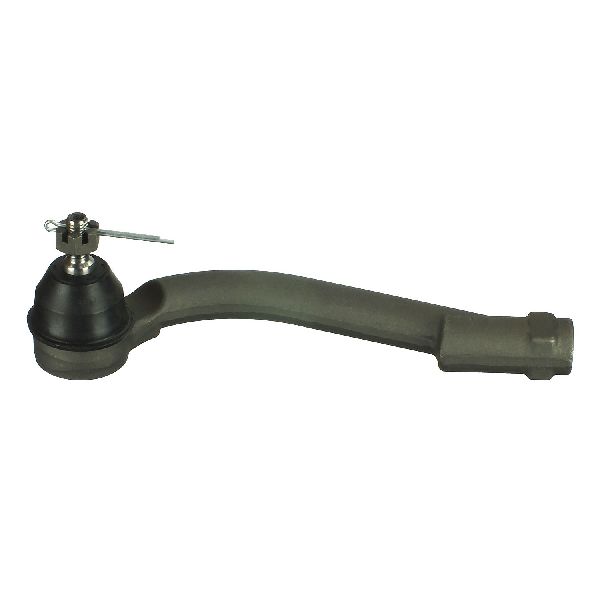
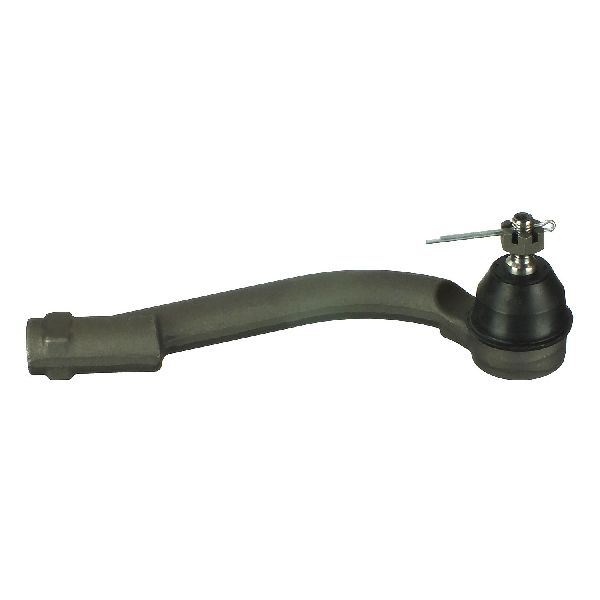
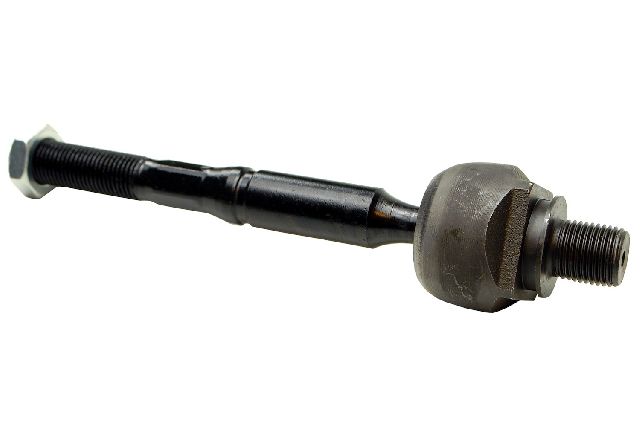
The 2001-2005 Kia Optima uses a rack and pinion steering system with one outer tie rod end per front wheel. Each tie rod end consists of a ball stud, a socket, and a protective rubber boot, and connects to the inner tie rod via threads used for toe adjustment.
We Have This Part in Stock
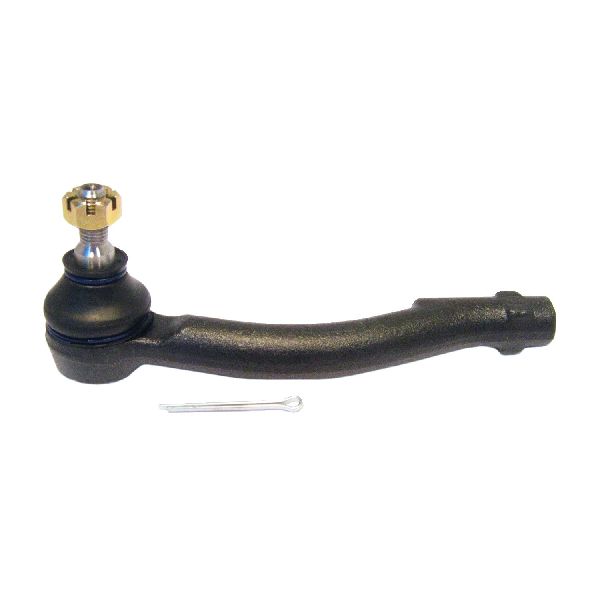
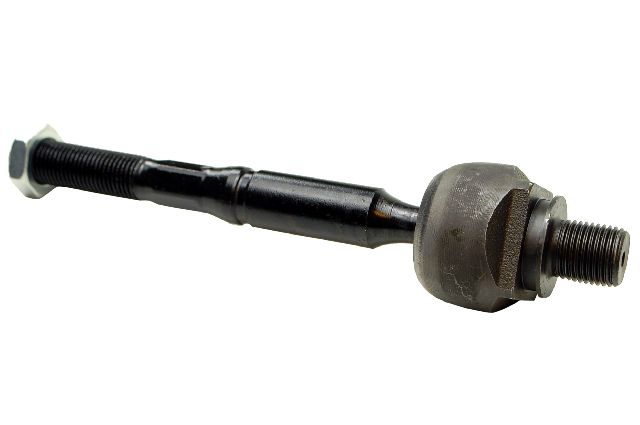

The information in this article is provided for general reference and educational purposes only. Vehicle specifications, procedures, and part compatibility can vary by production date, trim level, and region. Always consult your vehicle's factory service manual and verify part numbers before purchasing or performing repairs. Safety-critical components such as airbags, seat belts, and braking systems should be installed by a qualified professional.
- Kia Optima: