

A Guide to the Rear Suspension Trailing Arm for the 2001-2005 Kia Optima
Fix clunking noises and sloppy rear handling by understanding how to choose the right replacement trailing arm.
- Inspect for severe rust on the trailing arms and frame before buying parts, especially if you live in a 'salt belt' state.
- Symptoms almost always point to bad bushings; the most effective repair is replacing the entire arm assembly.
- Always replace trailing arms in pairs (left and right) to ensure balanced and safe handling.
- A four-wheel alignment is absolutely necessary immediately after replacement to prevent tire damage and handling issues.
Is Your Optima's Trailing Arm Failing?
On the 2001-2005 Kia Optima, the trailing arm itself rarely fails unless it's bent in a collision. The problem is almost always the rubber bushings at each end. These bushings dry out, crack, or get torn over time. When they fail, they allow for excess movement, leading to clear symptoms that something is wrong with your rear suspension.
A Critical Warning About Rust
The first-generation Kia Optima, like many vehicles of its era, can have significant problems with rust, especially in states that use road salt in the winter (the "salt belt"). While no specific recall was issued for the Optima's trailing arm, a recall for the same issue on the related Hyundai Santa Fe highlighted the risk of the arm corroding and potentially fracturing. Before ordering parts, inspect the trailing arms and the area of the frame where they mount for severe rust. Heavy corrosion can make the vehicle unsafe and complicates replacement.
Symptoms of a Bad Trailing Arm
Pay attention to these common signs of failure:
- Clunking or Thudding Noises: This is the most common symptom. You'll hear clunks from the rear of the car when going over bumps, accelerating, or even just putting the car in Drive or Reverse. This is the sound of metal hitting metal now that the rubber bushing has failed.
- Unstable Handling: The car may feel loose or unstable from the rear, especially when turning or hitting a bump. It might feel like the rear of the car wants to sway or steer on its own.
- Uneven Tire Wear: Failed bushings can throw off the rear wheel alignment, causing the inside or outside edge of your rear tires to wear out much faster than normal.
Choosing the Right Aftermarket Part
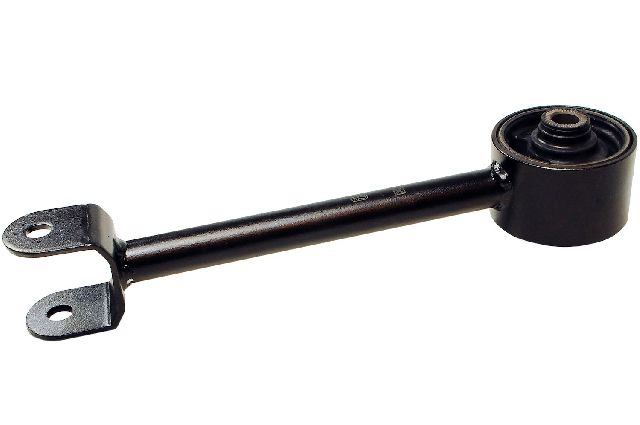
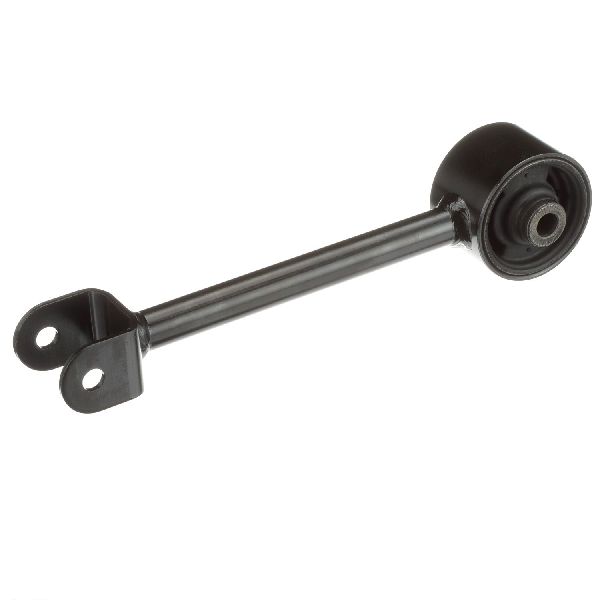
For a vehicle of this age, a new aftermarket trailing arm is the most sensible and cost-effective choice. These parts are sold as a complete assembly with new bushings already pressed in, which saves a lot of time and effort during installation. The brands available for your Optima are all established names in the aftermarket.
| Brand Tier | Brands | General Assessment |
|---|---|---|
| Premium Aftermarket | Moog, Delphi | These brands are often considered top-tier in the aftermarket, known for quality engineering and durability that meets or exceeds original factory standards. Delphi is a major original equipment (OE) supplier, and Moog has a long-standing reputation among mechanics. |
| Standard Aftermarket | Mevotech, Dorman | These brands offer a good balance of quality and value. Dorman is well-known for making a huge variety of replacement parts, while Mevotech is often recognized for innovative designs. For daily driving, these brands are a reliable and affordable choice. |
Pro Tip: The price difference between these brands for this specific part is small. Since rust is the main enemy, choose a part that specifically mentions a high-quality, corrosion-resistant coating. Dorman and Delphi often highlight this feature.
Frequently Asked Questions (FAQ)
Can I just replace the bushings instead of the whole arm?
While bushings are available separately, they require a special tool or a hydraulic press to remove the old ones and install the new ones. Given the age of the vehicle and the high likelihood of rust, buying a complete new trailing arm assembly is usually easier and not much more expensive.
Should I replace trailing arms in pairs?
Yes. It is highly recommended to replace both the left and right trailing arms at the same time. If one side has failed due to age and wear, the other side is likely not far behind. Replacing them in pairs ensures balanced handling and predictable performance from your rear suspension.
Do I need a wheel alignment after replacing the trailing arm?
Yes, a four-wheel alignment is mandatory after this repair. Replacing the trailing arm will change the angle of the rear wheel. Driving without an alignment will cause poor handling and will quickly destroy your rear tires.
How difficult is the replacement?
The job itself is straightforward, but it can become very difficult if the bolts are seized with rust. It requires safely lifting and supporting the vehicle, removing the wheel, supporting the rear suspension, and then removing the two main bolts holding the arm in place. If the bolts are not rusted, a DIY mechanic with the right tools can do it. If you live in a rust-prone area, you may want to leave this job to a professional.
Technical Specifications
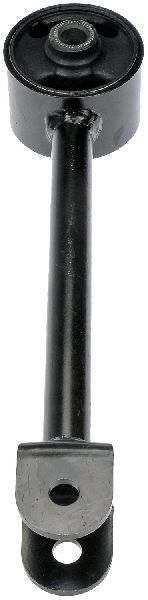
The aftermarket replacement is a complete assembly that includes pre-installed rubber bushings for the frame and knuckle mounting points. Most are finished with a protective coating to resist corrosion.
We Have This Part in Stock

The information in this article is provided for general reference and educational purposes only. Vehicle specifications, procedures, and part compatibility can vary by production date, trim level, and region. Always consult your vehicle's factory service manual and verify part numbers before purchasing or performing repairs. Safety-critical components such as airbags, seat belts, and braking systems should be installed by a qualified professional.
- Kia Optima: