

A Guide to the Manifold Absolute Pressure Sensor for the 2001-2005 Kia Rio
If your first-generation Kia Rio is running poorly, the MAP sensor is a common and easy part to replace.
- A faulty MAP sensor on a 2001-2005 Kia Rio causes common issues like rough idle, poor gas mileage, and a check engine light.
- Replacement is a simple, DIY-friendly job that takes less than 30 minutes with basic tools.
- For this vehicle, a quality aftermarket brand like Standard Ignition or Facet offers a reliable and cost-effective repair.
- Do not ignore symptoms, as driving with a bad MAP sensor can lead to more expensive repairs, like a damaged catalytic converter.
Is Your Kia Rio Running Rough?

If you're experiencing issues like a rough idle, poor acceleration, or bad gas mileage, a failing Manifold Absolute Pressure (MAP) sensor could be the problem. This small sensor plays a big role in how your engine performs. When it fails, it sends incorrect information to the engine's computer, leading to a host of drivability problems. Fortunately, for the 2001-2005 Kia Rio, this is a relatively simple and inexpensive part to replace.
Symptoms of a Failing MAP Sensor

A bad MAP sensor can make your car feel unreliable. Watch for these common signs:
- Check Engine Light: A faulty MAP sensor will almost always trigger the check engine light. Common trouble codes include P0105, P0106, P0107, and P0108. 🎬 Watch: Understanding P0106 codes and how to test the circuit.
- Rough Idle: The engine may shake or idle unevenly because the air-fuel mixture is incorrect.
- Poor Fuel Economy: If the sensor tells the computer the engine is under more load than it is, the computer will inject too much fuel, wasting gas.
- Lack of Power & Hesitation: Your Rio might feel sluggish and slow to respond when you press the gas pedal.
- Black Smoke from Exhaust: This is a sign that the engine is running "rich," or with too much fuel, which can be caused by a bad MAP sensor reading.
- Failed Emissions Test: An incorrect air-fuel ratio will lead to higher emissions, causing you to fail a smog check.
Don't Ignore the Signs
Driving with a bad MAP sensor can cause long-term damage. An overly rich fuel mixture can damage the catalytic converter, while a lean mixture can cause engine overheating and internal damage.
Choosing the Right Aftermarket MAP Sensor

For an older vehicle like the 2001-2005 Kia Rio, a new aftermarket MAP sensor is a smart and budget-friendly choice. The original Kia parts can be hard to find or expensive. Quality aftermarket brands offer reliable performance for daily driving.
Here's a look at the brands available:
- Standard Ignition (SMP): Often considered a top-tier aftermarket brand, Standard Motor Products are known for quality and reliability. They perform extensive testing to ensure their sensors meet or exceed original specifications. This is a solid choice if you want peace of mind.
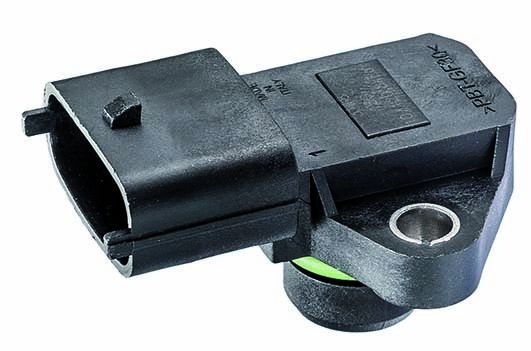
- Facet: An established Italian brand with a long history in the aftermarket world. They produce a wide range of sensors and are generally considered a reliable mid-tier option.
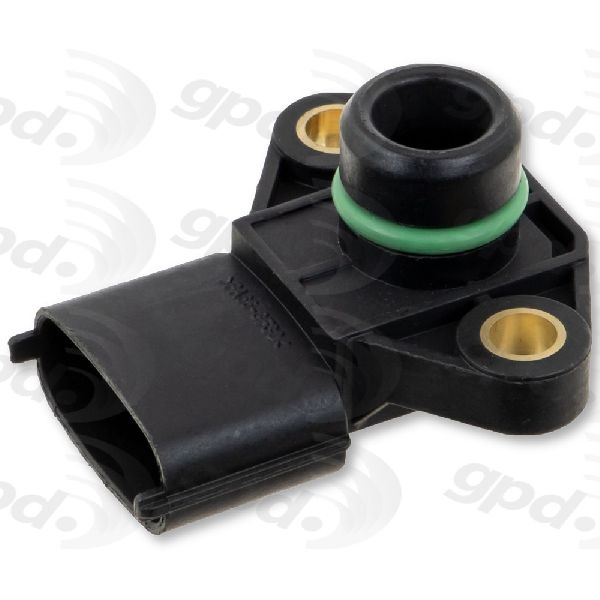
- Global Parts (GPD): This brand is typically a budget-friendly option. While it can save you money, it may not have the same long-term durability or rigorous quality control as premium brands. For a critical sensor, it's often worth spending a little more for a brand with a stronger reputation.
Pro Tip: When shopping for electronic parts, it's often better to choose a well-known brand over the cheapest option available. A sensor that fails prematurely will cost you more in the long run.
| Part Type | Estimated Cost |
|---|---|
| New Aftermarket | $41.36 - $78.59 |
| New OEM | $70 - $100+ |
| Shop Labor | $50 - $100 |
Frequently Asked Questions

Where is the MAP sensor located on my 2001-2005 Kia Rio?
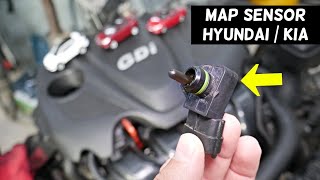
The MAP sensor is typically mounted directly on the intake manifold, often near the throttle body. It's a small, black plastic sensor with an electrical connector and is usually held in place by a single 10mm bolt. You may need to remove the air filter box to get a clear view of it.
🎬 Watch: This video shows the typical MAP sensor location on Kia engines.Can I replace the MAP sensor myself?
Yes, this is a very DIY-friendly job. The replacement process involves disconnecting the battery, unplugging the electrical connector, removing one bolt, and swapping the old sensor for the new one. The entire job can usually be done in less than 30 minutes with basic hand tools.
Are there any recalls for the MAP sensor on this Kia Rio?
No, there are no specific recalls for the Manifold Absolute Pressure sensor on the 2001-2005 Kia Rio. Searches of the NHTSA database show recalls for other issues like seat sensors and ABS modules on different year ranges, but not for the MAP sensor on this specific model.
Should I clean my MAP sensor or just replace it?
While some people attempt to clean MAP sensors, it is generally not recommended. The sensor's internal components are delicate and can be easily damaged by cleaning solvents or physical contact. Given the low cost of a new aftermarket sensor and the importance of its function, replacement is the most reliable solution.
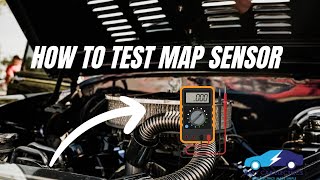
🎬 See this step-by-step guide on how to test any MAP sensor.Helpful Videos

Technical Specifications
OEM Part Numbers: 0K30E18211A 393002B000 3930038110
The MAP sensor for the 2001-2005 Kia Rio is a 3-pin or 4-pin electronic sensor that mounts to the intake manifold and measures pressure changes. It operates on a 5-volt reference signal from the ECU.
We Have This Part in Stock


The information in this article is provided for general reference and educational purposes only. Vehicle specifications, procedures, and part compatibility can vary by production date, trim level, and region. Always consult your vehicle's factory service manual and verify part numbers before purchasing or performing repairs. Safety-critical components such as airbags, seat belts, and braking systems should be installed by a qualified professional.
- Kia Rio: