

Mitsubishi Eclipse Throttle Position Sensor Guide (2001-2005)
Having throttle problems with your 3G Eclipse? Your Throttle Position Sensor might be the culprit.
- A failing TPS on a 2001-2005 Eclipse causes hesitation, erratic idle, and can trigger a Check Engine Light.
- Replacement is a simple DIY job, located on the side of the throttle body and held by two screws.
- No specific recalls were found for the TPS on this vehicle; failure is typically due to age and wear.
- Aftermarket brands like Standard Ignition and Walker Products are reliable alternatives to the more expensive OEM part.
Is Your Eclipse Hesitating or Idling Strangely?
If you're experiencing issues like engine hesitation, a check engine light, or the engine revving on its own, a failing Throttle Position Sensor (TPS) could be the reason. This sensor is a common wear item, and on the third-generation (3G) Eclipse, its failure can cause a range of frustrating drivability problems. 🎬 Watch: How a bad TPS causes hesitation and idle issues Over time, the internal electronic contacts wear out, leading to incorrect signals being sent to the engine's computer.
Common Symptoms of a Bad TPS on a 2001-2005 Eclipse:
- Check Engine Light: Often the first sign, with codes like P0120-P0125.
- Hesitation or Stumbling: The car may lag or stumble when you press the gas pedal.
- Poor or Erratic Idle: The engine might idle too high, too low, or surge up and down.
- No Throttle Response: In serious cases, the engine may not respond to the gas pedal at all.
- Automatic Transmission Shifting Problems: The transmission may shift harshly or at the wrong times because it relies on TPS data.
Choosing the Right Aftermarket TPS
When replacing the TPS, you don't have to go to the dealer. Several aftermarket brands offer direct-fit replacements. The key is choosing a quality part, as a cheap, poorly made sensor can fail quickly or provide inaccurate readings from the start.
- Standard Ignition (SMP): Often considered a higher-tier aftermarket brand, Standard Ignition parts are known for their quality control. They emphasize matching OE performance and use durable materials to ensure a long service life. They are a reliable choice for a dependable repair.
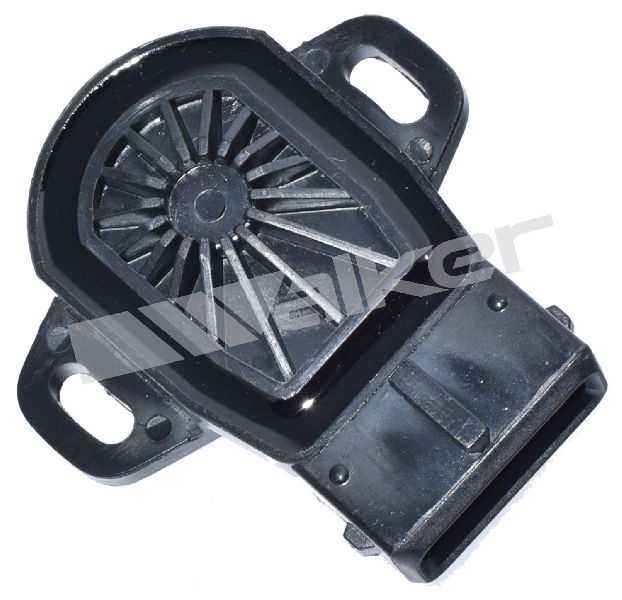
- Walker Products: Walker is another established brand that produces a wide range of engine sensors. They state their products are engineered to meet or exceed OE standards and are 100% tested. Owner feedback on various Walker sensors is generally positive, citing good fit and value.
- Replacement / Store Brands: These are typically the most budget-friendly options. While they meet the basic fit and function requirements, their long-term durability and the precision of their output signal may not match that of more established brands. They can be a viable short-term solution, but for a critical sensor like the TPS, investing a little more in a known brand is often wise.
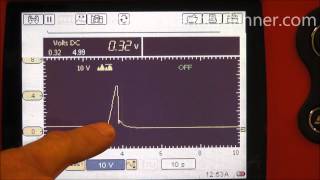
Pro Tip: Before replacing the sensor, it's a good idea to test it with a multimeter to confirm it's the source of the problem. 🎬 See how to test your TPS with or without a diagram You can check for a smooth voltage sweep as the throttle is opened and closed. A new sensor may also need to be calibrated upon installation to ensure the idle and wide-open throttle positions are read correctly by the ECU.
Cost of Replacing Your Eclipse TPS
| Part Type | Estimated Cost |
|---|---|
| New OEM (Mitsubishi) | $220 - $315 |
| New Aftermarket | $135 - $171 |
| Shop Labor | $50 - $100 |
Frequently Asked Questions
Is it hard to replace the TPS on a 3G Eclipse?
No, it's a relatively easy job for a DIYer. The TPS is located on the side of the throttle body. The process involves disconnecting the battery, removing the electrical connector, and unscrewing two mounting screws. The most important part is ensuring the new sensor is installed and calibrated correctly if required.
🎬 Watch: How to calibrate your new sensor using a multimeterAre there any recalls for the 2001-2005 Eclipse TPS?
A search of NHTSA records did not show any specific recalls for the throttle position sensor on the 2001-2005 Mitsubishi Eclipse. Recalls for this vehicle generation were more commonly related to other issues like Takata airbags.
Do I need to reset the computer after replacing the TPS?
Yes, it's a good practice. After installing the new sensor, you can reset the ECU by disconnecting the negative battery cable for about five minutes. This forces the computer to relearn the new sensor's parameters, including the closed-throttle position for proper idling.
Can I clean the TPS instead of replacing it?
No, the TPS is a sealed electronic unit and cannot be cleaned. The failure occurs internally where brushes wear against a resistive strip. If you are experiencing TPS-related symptoms, you might consider cleaning the throttle body itself, as carbon buildup can cause sticking and idle issues, but the sensor itself must be replaced if it has failed.
Helpful Videos
Technical Specifications
OEM Part Numbers: MD628074 MD614734
A 3-pin or 4-pin variable resistor sensor mounted to the throttle body shaft.
We Have This Part in Stock


The information in this article is provided for general reference and educational purposes only. Vehicle specifications, procedures, and part compatibility can vary by production date, trim level, and region. Always consult your vehicle's factory service manual and verify part numbers before purchasing or performing repairs. Safety-critical components such as airbags, seat belts, and braking systems should be installed by a qualified professional.
- Mitsubishi Eclipse: