

Nissan Altima Oxygen Sensor Guide: 2001-2005 Models
Fix your check engine light and poor fuel economy by choosing the right oxygen sensor for your Altima.
- Verify your Altima's year and engine (2.4L, 2.5L, or 3.5L) before ordering to ensure fitment.
- Choose Denso or NTK (NGK) brands for an OEM-equivalent, reliable replacement.
- A P0420 code does not always mean a bad catalytic converter; check for exhaust leaks and test the O2 sensors first.
- Use a special O2 sensor socket (22mm or 7/8") to make removal and installation much easier.
A Critical Note for 2001-2005 Altima Owners

The 2001-2005 Nissan Altima spans two different vehicle generations, which use different engines and different oxygen sensors. Ordering the correct part is critical.
- 2001 Altima (L30): This model has a 2.4L 4-cylinder (KA24DE) engine. It uses specific oxygen sensors for this year only.
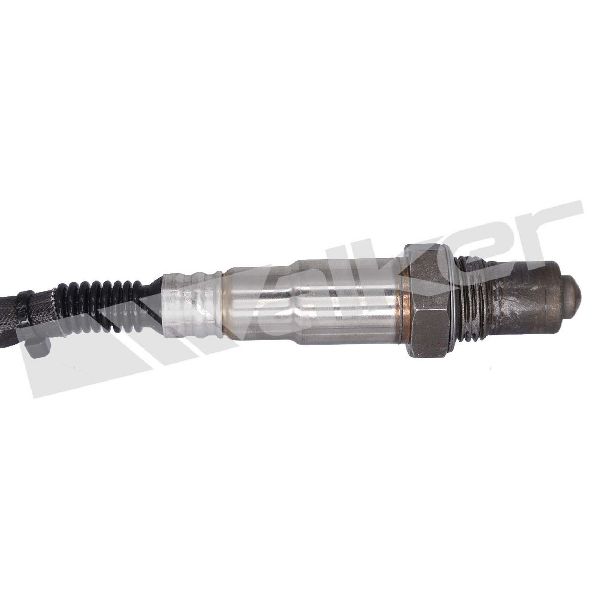
- 2002-2005 Altima (L31): These models came with either a 2.5L 4-cylinder (QR25DE) or a 3.5L V6 (VQ35DE) engine. They use different sensors than the 2001 model. The upstream sensor on the 2.5L engine is technically an Air/Fuel Ratio (A/F) sensor, which is a more precise type of oxygen sensor.
Always confirm your vehicle's year and engine size before ordering.
Symptoms of a Failing Oxygen Sensor

A bad oxygen sensor will almost always trigger the 'Service Engine Soon' or Check Engine Light on your dashboard. Aside from the light, you may notice other performance issues:
- Decreased Fuel Economy: This is the most common symptom. A faulty sensor can cause the engine to run rich, using more fuel than necessary.
- Rough Idle or Engine Misfires: The engine may run unevenly or hesitate during acceleration.
- Rotten Egg Smell: A failing sensor can lead to an inefficient catalytic converter, producing a sulfur-like smell from the exhaust.
- Failed Emissions Test: A bad downstream O2 sensor is a common reason for failing a vehicle emissions inspection.
Choosing the Right Aftermarket Oxygen Sensor

For Japanese vehicles like your Nissan Altima, sticking close to the original equipment (OEM) design is usually the best strategy for a hassle-free repair. Aftermarket sensors are available in different quality tiers.
Tier 1: OEM-Equivalent Brands
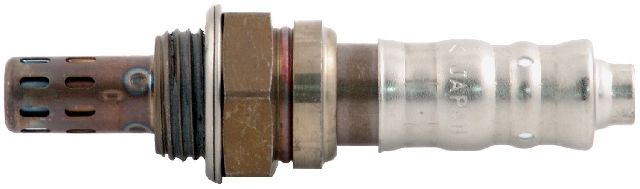
Denso & NGK (NTK): Denso and NTK are the original equipment suppliers for many Nissan vehicles. Choosing one of these brands is the closest you can get to buying a genuine Nissan part without the dealership price tag. They are highly recommended by mechanics and Altima owners for their reliability and perfect fit.
Tier 2: Quality Aftermarket Brands
Bosch: Bosch invented the automotive oxygen sensor and is a world leader in the technology. Their sensors are a reliable and widely available aftermarket option. While they perform well, some professional mechanics and forum users have noted that for Japanese applications, Denso or NTK can sometimes offer slightly better responsiveness and longevity.
Tier 3: Budget-Friendly Options
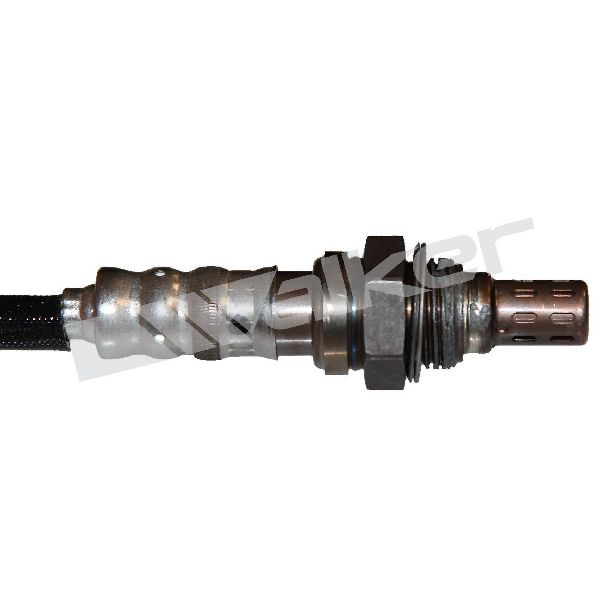
Delphi, Walker Products, DriveWire, etc.: These brands offer a more affordable solution and can be a good choice if budget is the primary concern. Ensure you are buying a 'Direct-Fit' sensor with the correct plug. Universal sensors, which require you to splice wires, are not recommended as they can introduce connection problems.
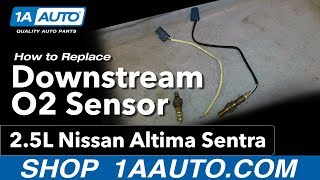
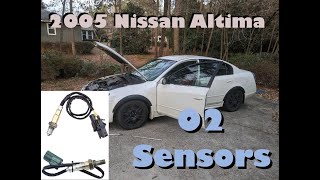
Pro Tip: Always choose a 'Direct-Fit' sensor. These come with the correct electrical connector for your Altima, making installation a simple plug-and-play process 🎬 Watch: Step-by-step guide to replacing your Altima oxygen sensor without any wire cutting.
Related Known Issues: Crankshaft Position Sensor
Many 2001-2005 Altimas, particularly those with the 2.5L engine, were subject to a recall for a faulty crankshaft position sensor. A failure of this sensor can cause the engine to stall unexpectedly at low speeds, which can sometimes be misdiagnosed. If you experience stalling, it is worth checking if your vehicle was serviced for this recall.
| Part Type | Estimated Cost |
|---|---|
| New Aftermarket | $25 - $178 |
| New OEM | $120 - $250 |
| Shop Labor | $80 - $160 |
Frequently Asked Questions

How many oxygen sensors does my 2001-2005 Altima have?
It depends on your engine. The 2.4L (2001) and 2.5L (2002-05) 4-cylinder engines have two sensors: one upstream (Bank 1, Sensor 1) and one downstream (Bank 1, Sensor 2). The 3.5L V6 engine has four sensors: two upstream (Bank 1 and Bank 2) and two downstream (Bank 1 and Bank 2).
🎬 See this walkthrough for replacing sensors on 2002-2006 modelsWhat is the difference between an upstream and a downstream sensor?
The upstream sensor (also called Sensor 1 or an A/F sensor) is located before the catalytic converter and is the primary sensor used to control the engine's air-fuel mixture. The downstream sensor (Sensor 2) is located after the catalytic converter and its main job is to monitor the converter's efficiency.
My car has a P0420 code. Do I need to replace my catalytic converter?
Not necessarily. The P0420 code means 'Catalyst System Efficiency Below Threshold,' but it can be triggered by a failing downstream oxygen sensor giving a false reading, or by an exhaust leak between the two sensors. It is much cheaper to inspect for leaks and test or replace the O2 sensors before replacing the very expensive catalytic converter.
🎬 Watch: How to diagnose and fix a P0420 codeCan I clean my oxygen sensor?
While some people attempt to clean O2 sensors, it is generally not a reliable or long-lasting solution. The sensing element degrades over time and cannot be restored by cleaning. Given the reasonable cost of a new aftermarket sensor, replacement is the recommended repair.
How difficult is it to replace an Altima oxygen sensor?
For a DIYer with the right tools, it's a relatively easy job. The main difficulty is often removing the old sensor, which can be rusted tightly into the exhaust pipe. Using a special O2 sensor socket (a 7/8" or 22mm socket with a slit for the wire) is highly recommended. In some stubborn cases, the old sensor's wires may need to be cut to fit a six-point deep socket over it for more leverage.
Helpful Videos

Technical Specifications
OEM Part Numbers: 22693-8U300 226A1-AR210 22693-3TY0B 22690-0Z801
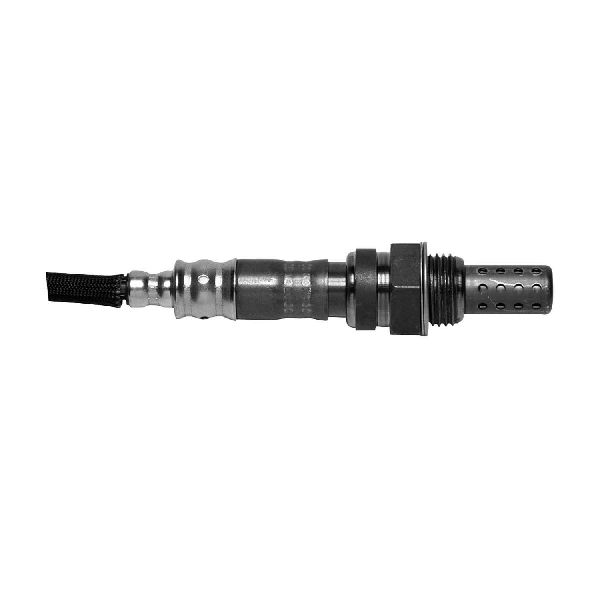
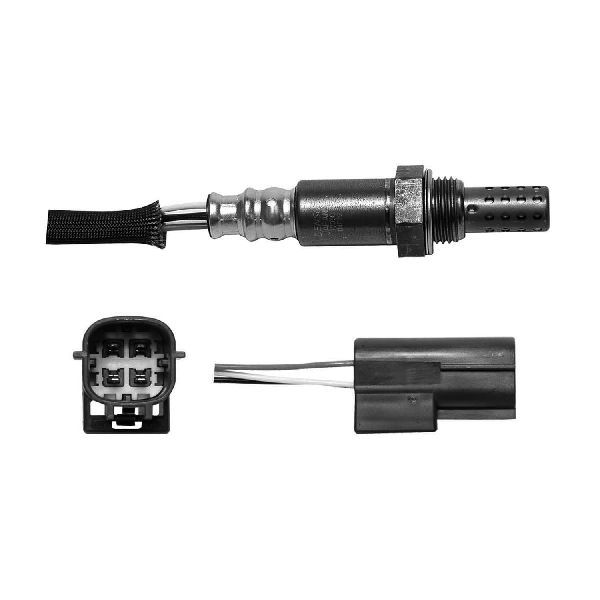
Fitment varies significantly between the 2001 (2.4L) and 2002-2005 (2.5L/3.5L) models. The 2.5L upstream sensor is an Air/Fuel (A/F) type, while others are standard O2 sensors. All are heated sensors, typically with 4 wires. The connector plug is the most important feature for a direct fit.
We Have This Part in Stock


The information in this article is provided for general reference and educational purposes only. Vehicle specifications, procedures, and part compatibility can vary by production date, trim level, and region. Always consult your vehicle's factory service manual and verify part numbers before purchasing or performing repairs. Safety-critical components such as airbags, seat belts, and braking systems should be installed by a qualified professional.
- Nissan Altima:
- 🎬 Helpful Videos
- 🛍️ Shop This Part
- A Critical Note for 2001-2005 Altima Owners
- Symptoms of a Failing Oxygen Sensor
- Choosing the Right Aftermarket Oxygen Sensor
- Tier 1: OEM-Equivalent Brands
- Tier 2: Quality Aftermarket Brands
- Tier 3: Budget-Friendly Options
- Related Known Issues: Crankshaft Position Sensor
- Frequently Asked Questions
- 🎟️ Get 5% Off