

Your Guide to the 2001-2005 Pontiac Aztek Radiator
Keep your Aztek's 3.4L V6 engine from overheating by understanding its radiator and choosing the right replacement.
- Radiator failure on the Aztek is common due to age, with cracked plastic side tanks being the primary cause of leaks.
- There are no specific recalls for the radiator, but it's a known wear item for this vehicle's age.
- When replacing the radiator, it is highly recommended to also replace the radiator hoses and thermostat to prevent future failures.
- Aftermarket brands like Denso and CSF offer premium quality, while Spectra and others provide a good value-based option.
Is Your Aztek's Radiator Failing?
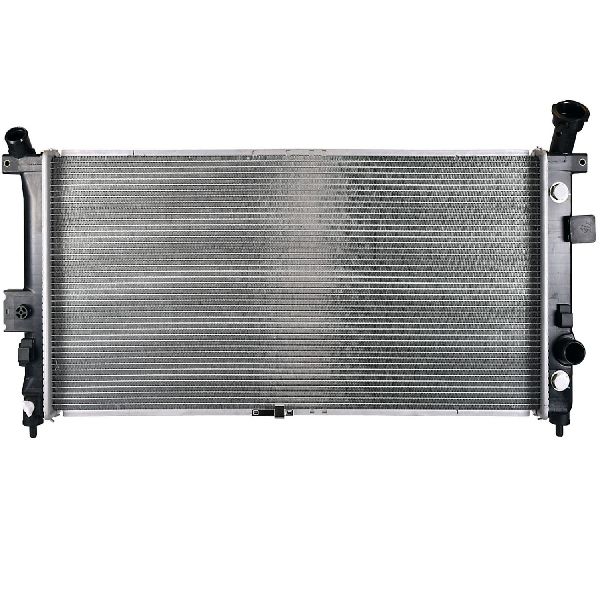
A bad radiator is a serious problem that can leave you stranded. For the 2001-2005 Pontiac Aztek, most radiator failures are due to age. The original radiators use plastic tanks on the sides connected to an aluminum center section (core). Over many years of heating up and cooling down, these plastic tanks can become brittle and crack, or the seals between the plastic and aluminum can start to leak.
Common Symptoms of a Bad Radiator:
- Engine Overheating: The most obvious sign. If your temperature gauge is in the red, your radiator may not be cooling the engine properly.
- Coolant Leaks: You might see puddles of green or orange fluid under the front of your Aztek, especially after it has been parked. These leaks often come from cracks in the plastic side tanks.
- Low Coolant Light: A constant need to add coolant to the overflow tank means you have a leak somewhere in the system.
- Sweet Smell: Leaking coolant has a distinct sweet smell. You may notice it outside the vehicle or even coming through the vents.
- Coolant Sludge: If the coolant in your reservoir looks like a milky brown sludge, it could mean the transmission fluid cooler inside the radiator has failed and is mixing with your coolant. This is a critical issue that can damage your transmission.
Known Issues and Recalls
Searches of the National Highway Traffic Safety Administration (NHTSA) database show no specific recalls or widespread technical service bulletins (TSBs) for the radiator on the 2001-2005 Pontiac Aztek. However, failure of the plastic end tanks is a very common problem for most vehicles from this time period. Some owners have also reported radiator failures happening around the same time as other major cooling system issues, like head gasket leaks.
Choosing the Right Aftermarket Radiator
Since the Pontiac Aztek is no longer in production, new OEM radiators from GM are rare and expensive. Aftermarket parts are your most practical choice. Quality can vary, but even a standard replacement will often meet or exceed the original design. Most aftermarket options use the same plastic tank and aluminum core construction as the factory part.
Aftermarket Brand Tiers for Your Aztek
- Premium Brands (Denso, CSF Radiator): Denso is a well-known OEM supplier for many Japanese brands and has a strong reputation for quality and fit. CSF is another brand known for making reliable, high-quality radiators. These are excellent choices if you plan to keep your Aztek for a long time.
- Standard/Value Brands (Spectra, APDI, Global Parts, One Stop Solutions): Spectra is a very common aftermarket brand that generally offers a good balance of price and quality, though some professional installers have mixed long-term reviews. Brands like APDI, Global Parts, and One Stop Solutions (OSC) are typically budget-friendly options that provide a direct-fit replacement to get you back on the road.
Pro Tip: Replace More Than Just the Radiator
While you are replacing the radiator, it is a smart and cost-effective move to also replace the upper and lower radiator hoses, the thermostat, and the radiator cap. These parts are inexpensive and wear out over time. A new radiator puts more pressure on old, brittle hoses, which can cause them to fail shortly after your repair.
Pontiac Aztek Radiator Replacement Cost
The total cost depends on whether you do the work yourself or hire a professional mechanic. Shop labor rates can vary greatly by location.
| Part/Service | Estimated Cost |
|---|---|
| New Aftermarket Radiator | $142 - $185 |
| Shop Labor | $250 - $450 |
| Total Professional Replacement | $392 - $635 |
Cost estimates are for the part and labor only and do not include taxes, fees, or the cost of new coolant.
Frequently Asked Questions
Is it hard to replace the radiator on a Pontiac Aztek?
For an experienced DIYer, it is a manageable but involved job. It requires draining the cooling system, removing the fans, disconnecting several hoses and transmission cooler lines, and potentially shifting the engine slightly for clearance. If you are not comfortable with these steps, it is best to leave it to a professional.
Should I use stop leak for my radiator?
Stop leak products should only be considered a temporary, emergency fix to get you to a repair shop. They can clog the small passages in your radiator and heater core, leading to bigger problems down the road. Replacing a cracked and leaking radiator is the only correct long-term solution.
What type of coolant does the 2001-2005 Pontiac Aztek use?
The Pontiac Aztek uses DEX-COOL extended life coolant, which is typically orange or red. Always use the recommended coolant type and avoid mixing it with other colors or types, as this can cause it to turn into a sludge and clog the system.
Do I need to bleed the cooling system after replacing the radiator?
Yes, this is a critical step. Air can get trapped in the cooling system after it's been drained. This air pocket can prevent coolant from circulating properly and cause the engine to overheat even with a new radiator. The system must be properly bled to remove all air.
Technical Specifications
OEM Part Numbers: 15232221 22673439
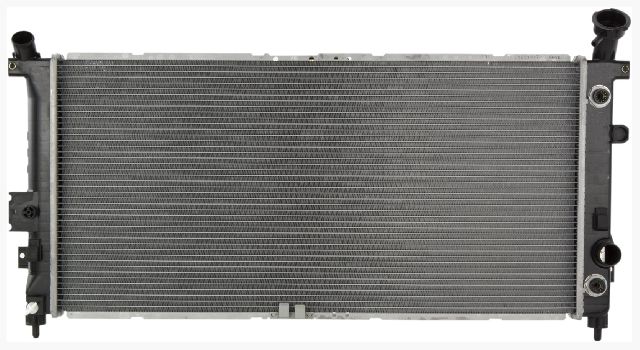
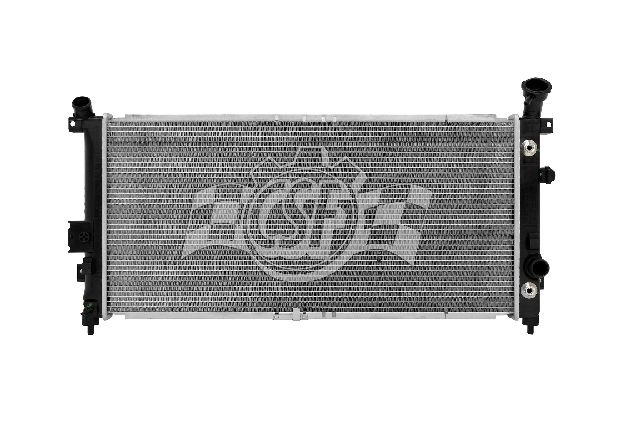
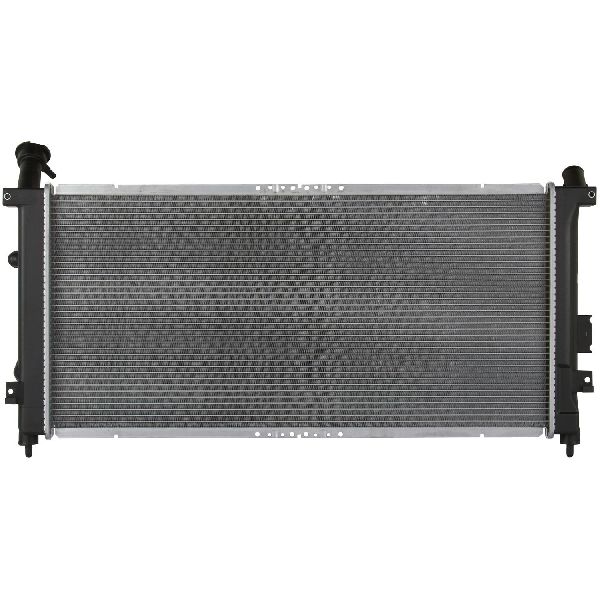
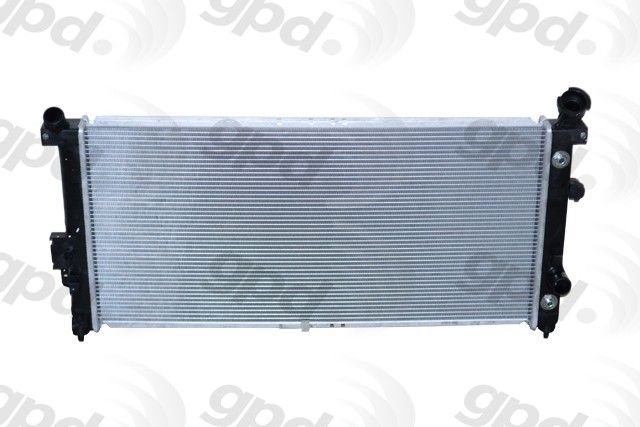
All 2001-2005 Pontiac Aztek models with the 3.4L V6 engine use the same radiator. It is a crossflow design with an aluminum core and plastic side tanks. It also contains an internal cooler for the automatic transmission fluid.
We Have This Part in Stock


The information in this article is provided for general reference and educational purposes only. Vehicle specifications, procedures, and part compatibility can vary by production date, trim level, and region. Always consult your vehicle's factory service manual and verify part numbers before purchasing or performing repairs. Safety-critical components such as airbags, seat belts, and braking systems should be installed by a qualified professional.
- Pontiac Aztek:
- 🛍️ Shop This Part
- Is Your Aztek's Radiator Failing?
- Common Symptoms of a Bad Radiator:
- Known Issues and Recalls
- Choosing the Right Aftermarket Radiator
- Aftermarket Brand Tiers for Your Aztek
- Pro Tip: Replace More Than Just the Radiator
- Pontiac Aztek Radiator Replacement Cost
- Frequently Asked Questions
- 🎟️ Get 5% Off